How to Improve Ventilation in Stuffy Rooms with Skylights
Every New Zealander knows the discomfort of a room that feels stuffy — heavy air, trapped humidity, and a lack of natural airflow. Kitchens, bathrooms, and upper-storey bedrooms are often the worst offenders. Without ventilation, these spaces can become unhealthy, encouraging mould and making day-to-day living uncomfortable. Skylights offer a practical solution, delivering both natural light and fresh air when chosen wisely.
Why Ventilation Matters
- Health Benefits: Fresh air reduces allergens, moisture, and indoor pollutants.
- Comfort: Proper airflow keeps rooms cooler and less oppressive.
- Home Protection: Ventilation reduces condensation and protects against mould and mildew damage.
Illustrative Example Only: A family in Hamilton struggled with dampness in their upstairs bathroom. Installing a vented skylight not only solved the condensation issue but also transformed the space into a bright, comfortable room.
Skylight Solutions for Ventilation
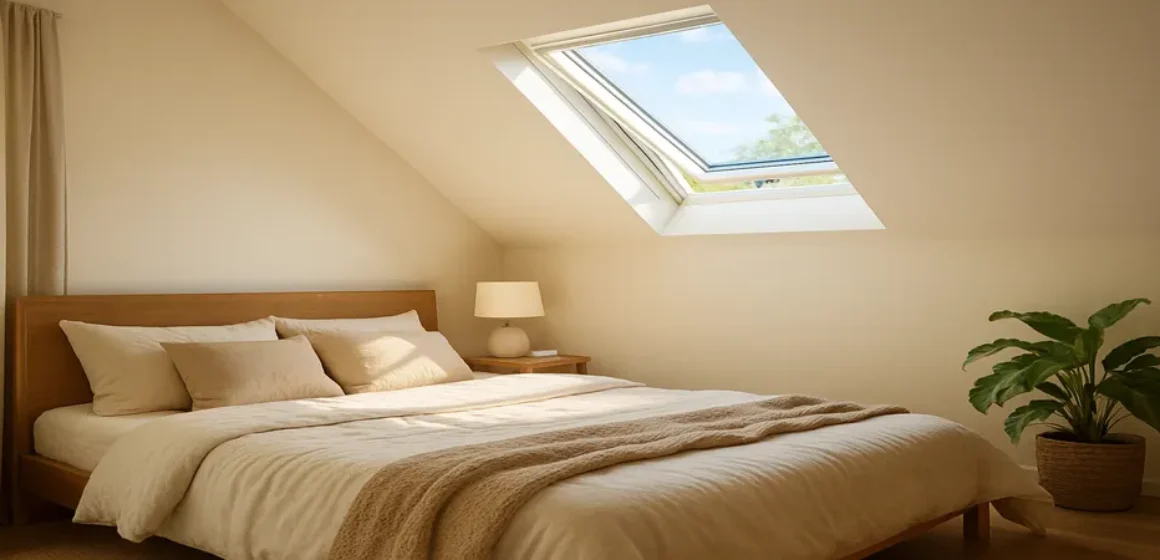
1. Vented Skylights
- Open manually or electronically to release trapped hot air.
- Ideal for bathrooms, kitchens, and loft spaces.
- Some models include rain sensors for automatic closure during showers.
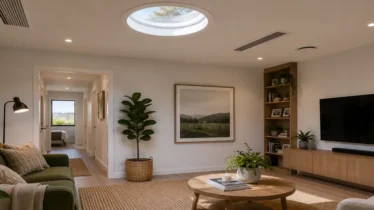
2. Tubular Skylights with Vent Kits
- Perfect for smaller spaces like laundries or pantries.
- Provide both natural daylight and discreet ventilation in one unit.
3. Solar-Powered Options
- Operate independently of mains electricity.
- Remote control operation makes them convenient for high ceilings.
4. Combining Skylights with Existing Systems
- Pairing skylights with extractor fans or cross-ventilation strategies ensures maximum airflow in problem areas.
Placement Strategies for Better Ventilation
- Install skylights at higher roof points where hot air gathers naturally.
- Combine with lower-level windows to create a “chimney effect,” drawing cool air in and pushing warm air out.
- Position skylights away from obstructions like chimneys or tall trees that may restrict airflow.
Practical Tips for Homeowners
- Choose skylights with insect screens if ventilation is needed in bedrooms.
- Ask installers about SHGC (Solar Heat Gain Coefficient) values to balance airflow and heat control.
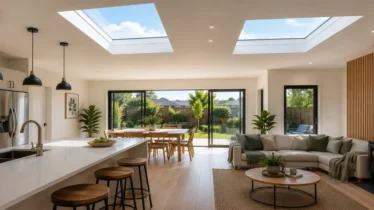
- For large open-plan spaces, consider multiple vented skylights to distribute airflow evenly.
Checklist: Improving Ventilation with Skylights
- Identify stuffy or humid rooms in the home
- Consider vented skylights for high-use areas
- Add tubular skylights with vent kits for small spaces
- Use solar-powered models for convenience
- Position skylights high to maximise air circulation
Conclusion: A Fresher, Healthier Home
Skylights are more than just daylight providers — they are a natural ventilation tool that can transform the feel of your home. By choosing vented options and placing them strategically, you can eliminate stuffiness, reduce moisture, and create healthier, brighter living spaces.
👉 Ready to improve airflow in your home? Get a free skylight consultation here.