The “future-proof” renovation move: planning for blinds, ventilation, and access from day one
The skylight itself is not where most people get caught out.
They get caught out one season later.
A bright patch lands on the couch at 4pm in February. A TV becomes hard to watch on clear afternoons. A bathroom feels better, but humidity still lingers after showers. Or the skylight is perfect, except it is out of reach and nobody knows how to clean it or control it.
These aren’t skylight failures.
They are planning omissions.
This article is about the future-proof move: planning skylights in Auckland so the install stays comfortable, controllable and practical over time. The focus keyword is skylight blinds Auckland, but this is really a wider comfort planning guide.
The rule: skylights need control, not just light
Daylight is dynamic.
Auckland makes this more obvious because we can have:
- overcast, diffuse “grey bright” days
- sudden sun breaks that create sharp contrast
- late-afternoon west light that can turn harsh quickly
- humid conditions that make rooms feel heavy if air can’t reset
A skylight plan that looks perfect in one condition can feel annoying in another unless you build in control.
Future-proof Layer 1: Control the light (skylight blinds Auckland)
Blinds are not a “nice extra”. They are the simplest way to keep the room usable across seasons.
When skylight blinds are worth planning from day one
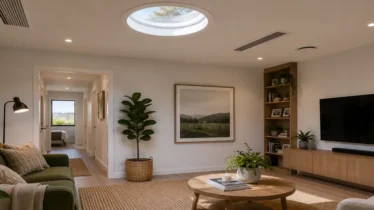
- living rooms with TV zones or screen-heavy use
- open-plan spaces with west or north-west exposure
- bedrooms where early morning light can disrupt sleep
- kids’ rooms where harsh patches can feel intense
- rooms with premium timber floors or artwork you want to protect
What blinds solve (in plain English)
- glare control without shutting the whole room down
- comfort tuning on clear days
- the ability to soften a bright patch when you need to
A useful mindset:
A blind does not defeat the point of a skylight.
It protects the point of it.
Future-proof Layer 2: Plan for ventilation intelligently
Many homeowners choose skylights for light and then realise the room would also benefit from better air movement.
The fix is not always an opening skylight.
It is an airflow plan.
When an opening skylight genuinely adds value
- upstairs spaces where warm, stale air collects
- bathrooms where humidity lingers even with extraction
- stairwells and landings that act like heat chimneys
When fixed skylights plus better extraction wins
- bathrooms where the fan is the real problem
- kitchens where rangehood performance is weak
Auckland reminder:
Humidity is common. A high-level vent can help, but only if the room has an inlet and outlet path.
If you want skylight type basics before deciding:
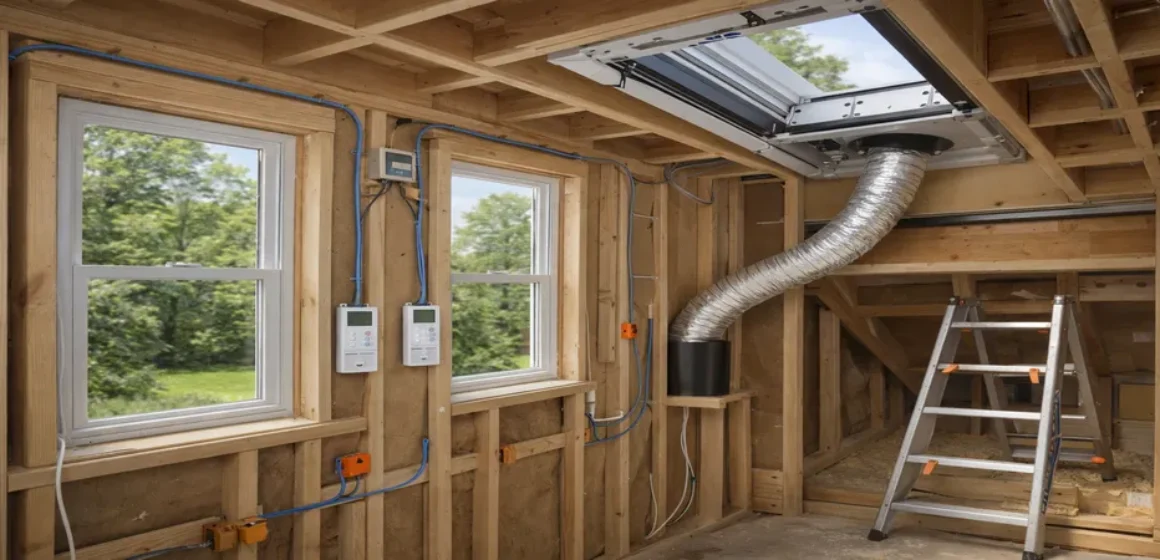
Future-proof Layer 3: Access and usability (the practical reality)
This is where people regret not asking simple questions.
Access planning means
- can you operate the skylight easily?
- can you clean it safely?
- can you access blinds without awkward ladders?
- will you actually use the control features?
If the skylight is high or over stairs, control needs to be practical.
That often means:
- a blind system designed for the location
- powered operation where manual reach is unrealistic
- planning access before the build closes out
A skylight that is hard to use becomes a skylight you live around rather than enjoy.
The three “future problems” you can avoid with one planning conversation
Problem 1: Late-summer glare surprise
A skylight placed perfectly for winter brightness can create glare on clear summer afternoons.
Blinds or diffusing control planned early prevents this.
Problem 2: Humidity still lingers
Daylight improves the feel of bathrooms, but moisture needs removal.
Ventilation planning avoids the “it’s brighter but still damp” outcome.
Problem 3: The skylight becomes untouchable
If the skylight is high, the control needs to be designed for it.
Future-proofing means you can actually operate it without a ladder routine.
A quick Auckland room-by-room future-proof guide
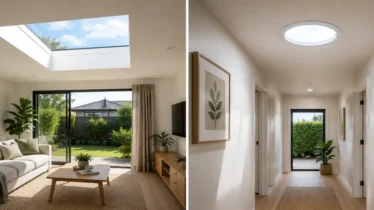
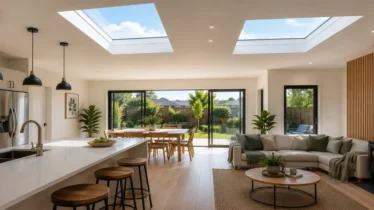
Living rooms
- plan skylight placement to avoid screen glare
- consider blinds if the room has west/north-west exposure
- ensure light control keeps the room watchable at 4pm
Bathrooms
- confirm extraction is effective
- use skylights for daylight and drying feel
- choose opening only when airflow benefits are real and practical
Bedrooms
- consider sleep impact (early light)
- blinds are often worth it
- avoid harsh patches over the bed zone
Hallways
- blinds are rarely necessary
- focus on consistent overhead daylight
- consider access for cleaning if the ceiling height is large
Illustrative Example Only: the skylight that was “perfect” until summer
A homeowner renovated a living room and added a skylight to lift a dull centre zone.
In winter it was brilliant.
In late summer, clear afternoons created glare over the seating zone and washed out the TV.
The fix was not replacing the skylight. It was adding the control that should have been planned from the beginning.
Their reflection afterwards:
“We didn’t need a different skylight. We needed a way to tune it.”
What to ask before you commit (copy/paste list)
If you want future-proof skylights, ask these questions during planning:
- Will this skylight ever create a bright patch on seating, screens, or floors?
- Do we need skylight blinds for this room?
- If yes, what blind type and control method suits the height and location?
- Is ventilation a goal in this room, or is extraction the real issue?
- If opening is considered, is there a real airflow path?
- How will this skylight be cleaned and maintained safely?
If you want Auckland-specific advice and recommendations:
For Auckland coverage:
FAQs (unique to this topic)
Are skylight blinds worth it in Auckland?
Often, yes, especially in living rooms, bedrooms and west-facing spaces where glare and summer sun can affect comfort. Blinds allow you to control light without losing the skylight’s benefits.
Do I need an opening skylight for ventilation?
Only if ventilation is a real goal and the room has a workable airflow path. Many spaces benefit more from fixed skylights paired with good extraction.
Can I add blinds later?
Sometimes, but it is easier and cleaner to plan blinds from day one, especially for high ceilings or skylights over stairs where access is difficult.
What is the most common future-proofing mistake?
Installing a skylight without planning light control and access. The skylight works, but the room becomes harder to live with in certain seasons.
How do I plan skylight controls for hard-to-reach locations?
Consider practical operation early, including blind control options and whether powered operation is appropriate for your ceiling height and room layout.