Skylight installation during a re-roof: why timing can make the project cleaner
A re-roof is one of the smartest times to think about skylights.
Not because every re-roof needs a skylight, and not because homeowners should add one without a clear room need. But because roof work creates a natural planning window. The roof is already being assessed. Access is already being considered. Flashings, roof condition, water flow and product placement are already part of the conversation.
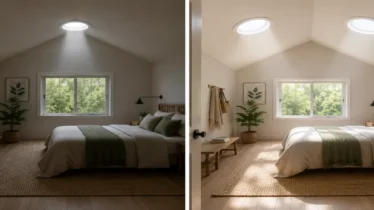
If one or more rooms in the home feel dark, enclosed or overly dependent on artificial lighting during the day, it may be worth asking whether you should add skylight during reroof planning rather than waiting until the new roof is finished.
The benefit is not only convenience.
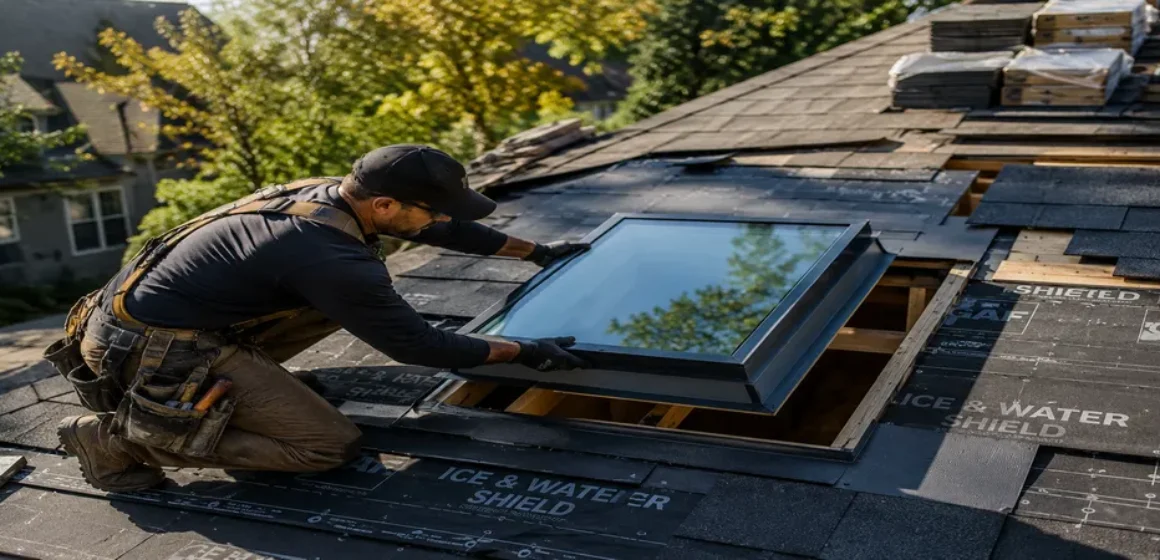
A re-roof can make skylight planning cleaner because the roof covering, flashing, roof penetrations, placement and weatherproofing can be considered together. It may also reduce avoidable rework, especially if a skylight is likely to be added later.
This guide explains when it makes sense to consider skylights during a re-roof, what homeowners should ask, and how to think about fixed skylights, vented skylights, tubular skylights and Sky tubes before the roofing decisions are locked in.
Why re-roof timing matters
A skylight becomes part of the roof.
That means it is strongly connected to roof type, roof pitch, flashing, water flow, product suitability and installation sequence. When a roof is already being replaced or upgraded, those details are already being reviewed.
Adding skylight planning at the same time can help with:
- Placement decisions
- Flashing coordination
- Roof material compatibility
- Roof pitch review
- Product suitability
- Water flow planning
- Access planning
- Internal finishing expectations
- Avoiding new roof disruption later
- Coordinating with ceiling or renovation work
This does not mean every skylight is easier during a re-roof. The room and roof still need proper assessment. But the timing can make the conversation more complete.
The mistake is waiting until after the new roof is installed, then deciding a few months later that the dark hallway, bathroom or kitchen still needs daylight.
At that point, the work may still be possible, but the opportunity for cleaner coordination may have passed.
The first question: does any room actually need better daylight?
A re-roof should not automatically trigger a skylight purchase.
Start with the room.
Ask:
- Which rooms need artificial lighting during the day?
- Does the hallway feel dark through the centre of the home?
- Is the kitchen bench or island under-lit?
- Does the bathroom feel enclosed or gloomy?
- Is there a home office or bedroom that feels flat in winter?
- Is the laundry, pantry or wardrobe always dim?
- Would better daylight change how the room is used?
- Is ventilation also part of the issue?
If no room has a meaningful daylight problem, adding a skylight just because the roof is being replaced may not be necessary.
If there is a clear room problem, the re-roof may be the right moment to assess it properly.
Good timing should support a real need, not create one.
The re-roof advantage: the roof is already part of the project
When a roof is being replaced, roof details are already under review.
This may include:
- Roof material
- Roof pitch
- Roof profile
- Flashings
- Valleys and gutters
- Fixings
- Roof condition
- Underlay
- Access
- Scaffolding or fall protection
- Existing roof penetrations
- Ventilation details
- Weather exposure
These are also important for skylight installation.
When skylight planning is added early, the skylight can be considered as part of the roof system rather than as a later addition.
This can be especially useful when the homeowner is changing roof material, replacing old flashings, removing old penetrations, upgrading roof underlay or dealing with previous roof issues.
The roof and skylight should work together.
A re-roof creates the opportunity to plan them that way.
Flashing coordination is a major benefit
Flashing is one of the most important parts of skylight installation.
It helps integrate the skylight with the roof so rainwater is directed around the opening properly. During a re-roof, flashing details are already part of the roof work.
This can make skylight coordination cleaner because:
- The roof covering is being removed or replaced
- New flashing details can be planned with the roofing system
- Product compatibility can be reviewed before the new roof is completed
- Water flow can be considered as part of the new roof layout
- The skylight can be integrated into the roof system rather than retrofitted shortly afterwards
The key is early coordination.
If the roofer completes the new roof before the skylight decision is made, the skylight may still be possible, but some of the coordination advantage may be lost.
If you are even considering a skylight, raise it before the re-roof begins.
Placement can be considered before the roof is finalised
Skylight placement should balance the room below and the roof above.
During a re-roof, it may be easier to review roof conditions before the final roofing layout is completed.
Placement decisions may consider:
- Where daylight should land inside the room
- Roof pitch and profile
- Roof framing
- Valleys, ridges and gutters
- Solar panels or future solar plans
- Existing vents and penetrations
- Water flow
- Safe access
- Internal light well or tube path
- Glare, privacy and summer comfort
For example, a kitchen skylight may need to land over the bench or island, but the roof location must still be suitable. A tubular skylight for a hallway may need a workable roof collector location and tube path. A vented skylight in a bathroom may need placement that supports airflow and roof suitability.
Good placement is not just where the skylight fits.
It is where the room benefit and roof practicality meet.
Re-roofing can help avoid future disruption
If a homeowner adds a skylight shortly after a re-roof, the new roof may need to be worked on again.
This is not always a problem, but it can feel avoidable if the skylight need was already known.
Planning the skylight during the re-roof may reduce:
- Rework on newly installed roofing
- Reopening recently completed roof areas
- Duplicated access arrangements
- Separate flashing coordination
- Additional scheduling disruption
- The feeling of doing the roof twice
This does not mean skylights can only be installed during a re-roof. Many skylights can be retrofitted into existing roofs.
But if a re-roof is already happening and a room needs daylight, it is sensible to discuss the skylight before the roofing project is complete.
Re-roofing and fixed skylights
A fixed skylight may suit rooms where the main goal is stronger daylight and a more visible skylight feature.
Common rooms include:
- Kitchens
- Living rooms
- Bedrooms
- Home offices
- Dining areas
- Larger bathrooms
- Open-plan spaces
During a re-roof, fixed skylight planning can consider:
- Product size
- Placement relative to the room below
- Roof pitch suitability
- Flashing compatibility
- Internal light well requirements
- Glazing and blinds
- Summer comfort
- Whether internal finishing is included
- Coordination with ceiling or renovation work
A fixed skylight can create a strong daylight result, but it often requires more thought about internal appearance than a tubular skylight.
If a light well is needed, clarify whether lining, plastering and painting are included or handled separately.
Re-roofing and vented skylights
A vented skylight may suit rooms that need daylight and airflow.
Common candidates include:
- Bathrooms
- Kitchens
- Upper-level rooms
- Loft-style rooms
- Raked-ceiling spaces
- Rooms that feel stuffy or hold warm air
During a re-roof, vented skylight planning should consider:
- Whether the room genuinely needs opening airflow
- Roof pitch and product suitability
- Flashing requirements
- Weather exposure
- Operation method
- Whether electrical work or controls are needed
- Whether extraction is still required
- Whether the skylight will be used sensibly
A vented skylight should not be chosen only because it sounds more complete.
It should solve a real airflow need.
For bathrooms and kitchens, ventilation should still be considered separately from daylight.
Re-roofing and tubular skylights or Sky tubes
A tubular skylight or Sky tube may be a strong option for compact or internal rooms.
Common candidates include:
- Hallways
- Laundries
- Toilets
- Walk-in wardrobes
- Pantries
- Compact bathrooms
- Internal rooms
- Dark service areas
During a re-roof, tubular skylight planning can be cleaner because the roof collector and flashing can be considered while the roof work is already in progress or being planned.
Key considerations include:
- Roof collector location
- Flashing compatibility
- Tube path through the roof space
- Ceiling diffuser placement
- Distance between roof and ceiling
- Framing, ducts, wiring and insulation
- Whether one or more daylight points are needed
A tubular skylight may look subtle from inside, but it still needs proper roof integration.
Re-roof timing can help that integration be planned properly.
Replacing an old skylight during a re-roof
If your home already has an old skylight, a re-roof is an important time to review it.
Do not assume the old unit should simply stay in place.
Ask:
- Is the skylight still in good condition?
- Is the glazing worn, cracked or discoloured?
- Are the seals or frame showing age?
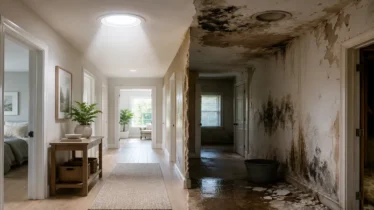
- Has there been any leaking or staining nearby?
- Is the flashing compatible with the new roof?
- Does the skylight still suit the room?
- Would replacement be smarter while the roof is being redone?
Keeping an old skylight during a new roof may be appropriate in some cases, but it should be a conscious decision.
If the skylight is near the end of its useful life, replacing it during the re-roof may avoid disturbing the new roof later.
This is especially important if the old skylight has been a source of leaks or maintenance concerns.
Re-roofing can reveal better daylight opportunities
A re-roof often prompts homeowners to look at the home differently.
While roof work is being planned, it may become easier to identify rooms that have never worked well.
Common opportunities include:
- A central hallway that has always needed lights on
- A bathroom with privacy but poor daylight
- A kitchen bench that sits in shadow
- A laundry beside the garage
- A home office on the shaded side of the home
- A spare bedroom that feels dull
- A stairwell or landing that feels enclosed
The re-roof does not create the daylight need.
It reveals the timing opportunity.
If the room has been frustrating for years, the roof project may be the right moment to deal with it.
Why early planning matters
The best time to discuss skylights is before the roofing work is locked in.
Early planning helps with:
- Product selection
- Roof flashing coordination
- Placement decisions
- Ordering or lead times
- Internal finishing planning
- Roof access planning
- Coordination with other trades
- Avoiding changes after the roof is completed
- Understanding costs before the project begins
Late planning may still be possible, but it can create pressure.
If roofing materials, schedules, scaffold, flashings and trades have already been arranged, adding a skylight may require adjustments.
The earlier the skylight conversation starts, the more options are usually available.
The role of the roofer and the skylight specialist
A re-roof involves roofing expertise.
A skylight involves daylight placement, product choice, roof integration, flashing, internal finishing and room-specific outcomes.
Sometimes the roofer and skylight installer may be the same provider. Sometimes they may be separate trades. Either way, coordination matters.
Important questions include:
- Who is supplying the skylight?
- Who is installing it?
- Who is responsible for flashing?
- Who is responsible for internal finishing?
- Who confirms product compatibility with the new roof?
- Who coordinates timing with the roof work?
- Who handles any electrical or ventilation requirements?
- Who provides warranty or product documentation?
Clear responsibility helps prevent gaps.
A skylight should not fall between trades.
Internal finishing should not be forgotten
During a re-roof, attention often stays on the roof exterior.
But skylight work also affects the room below.
Depending on the product, internal finishing may include:
- Ceiling cutting
- Light well framing
- Lining
- Plastering
- Painting
- Trim work
- Electrical changes
- Moving lights, fans or vents
- Making good around the opening
A tubular skylight or Sky tube may require a ceiling diffuser, which is usually less visually involved than a larger fixed skylight light well. A fixed skylight above a flat ceiling may require more internal finishing.
Before approving work, clarify what is included.
A clean roof installation is only part of the result.
The room finish matters too.
Roof access and scaffolding may influence timing
If a re-roof involves scaffold or other access equipment, skylight timing may benefit from being coordinated.
This depends on the home, roof height, pitch, access and installation scope.
Potential advantages may include:
- Easier roof access during the same project window
- Reduced duplication of access planning
- Safer coordination around roof work
- Less disruption than separate visits
- Better timing with roofing trades
This does not mean access savings are guaranteed.
Every project is different. But if access is already being arranged for the roof, it is worth asking whether skylight installation can be coordinated at the same time.
Access should be planned safely and realistically.
When it may be better to wait
A re-roof is a good time to consider skylights, but not every skylight should be rushed into a roofing project.
It may be better to wait or assess further if:
- The room need is unclear
- The homeowner is unsure which room should be improved
- The roof design or material is still undecided
- Internal renovation plans may change the room layout
- The preferred skylight placement conflicts with future cabinetry or walls
- Ventilation issues need a separate plan
- Product choice cannot be confirmed in time
- The quote scope is unclear
- A site visit is still needed
A skylight should not be added just to meet the re-roof schedule.
The project should still be planned properly.
Timing is valuable only when the decision is clear.
When re-roof timing is especially useful
Re-roof timing may be especially useful when:
- You already know which room needs daylight
- The roof is being fully replaced
- Old skylights need replacement
- The roof material or profile is changing
- Flashings are being upgraded
- Access equipment is already being arranged
- The room below is also being renovated
- The roof has previous leak history
- You want to avoid cutting into a newly completed roof later
- Product and placement can be confirmed early
This is where re-roof and skylight planning can work together most cleanly.
The strongest projects usually combine a clear room need with early roof coordination.
What to ask before adding a skylight during a re-roof
Before deciding, ask:
- Which room needs daylight most?
- Is the issue daylight, ventilation or both?
- What product type suits the room?
- Is the roof pitch suitable?
- What roof material is being installed?
- What flashing system will be used?
- Is the skylight being coordinated with the roofing work?
- Who is responsible for installation and flashing?
- Is internal finishing included?
- Are plastering and painting included or excluded?
- Are electrical or ventilation changes required?
- Does the skylight location affect water flow?
- Are there solar panels, valleys, ridges or vents nearby?
- Is the old skylight being replaced or retained?
These questions help prevent the skylight from becoming an afterthought.
What photos and details help
If you are planning a re-roof and considering a skylight, gather useful information early.
Send:
- Photos of the room needing daylight
- Ceiling photos
- Photos of the darkest area
- Ground-level roof photos
- Existing roof material and profile photos
- Photos of any existing skylights
- Photos of roof wear, leaks or ceiling stains
- Roofing quote or scope if available
- Planned roof material if known
- Re-roof timeline if known
- Notes about whether scaffold or access equipment is planned
- Notes about renovation work happening inside
You do not need every technical detail before enquiring.
But the more context provided, the easier it is to coordinate the skylight conversation with the roofing project.
Common mistakes to avoid
Mistake 1: Waiting until the re-roof is finished
If you already know a room needs daylight, raise it before the roof work is completed.
Mistake 2: Adding a skylight without a room need
Good timing does not replace good reasoning. The room should justify the skylight.
Mistake 3: Forgetting internal finishing
Roof work is not the whole project. The ceiling and room finish matter.
Mistake 4: Assuming the roofer and skylight installer are covering the same scope
Responsibilities should be clear, especially for flashing and internal work.
Mistake 5: Keeping an old skylight without review
An old unit should be assessed before being carried into a new roof system.
Mistake 6: Choosing product type too late
Fixed skylights, vented skylights, tubular skylights and Sky tubes need different planning and coordination.
Illustrative example only
A homeowner is planning to replace an older metal roof. The hallway has always been dark, and the kitchen bench needs lights on during winter mornings.
If the homeowner waits until after the new roof is installed, both skylight options may still be possible later. But the roofing work would already be complete, and the skylights would need to be planned as separate roof penetrations.
If the homeowner raises the skylight enquiry before the re-roof starts, the roof material, pitch, flashing, placement and access can be reviewed together. The hallway may suit a tubular skylight or Sky tube, while the kitchen may need a fixed skylight over the working zone.
The home does not need skylights because it is being re-roofed.
It needs skylights because the rooms have clear daylight problems.
The re-roof simply makes the timing smarter.
The practical takeaway
A re-roof is one of the best times to ask whether skylights should be part of the plan.
Not every home needs them. Not every room is a good candidate. But if a room has a genuine daylight problem, planning during a re-roof can make the project cleaner, more coordinated and less likely to create avoidable rework later.
The decision should bring together three questions:
- Which room needs better daylight?
- What product suits that room?
- How can the skylight be coordinated with the new roof properly?
When those questions are answered early, the roof and daylight plan can support each other.
Planning your next step
If you are planning a re-roof and have rooms that feel dark, enclosed or overly dependent on artificial lighting, it may be worth reviewing skylight options before the roofing work begins.
Skylights.co.nz can help you consider whether a fixed skylight, vented skylight, tubular skylight or Sky tube may suit your room, roof type and re-roof timing.
To start the process, use the Skylights.co.nz enquiry form:
https://inquiry.skylights.co.nz/inquiry
You may also find these useful:
FAQs
Is a re-roof a good time to add a skylight?
Yes, a re-roof can be a good time to consider adding a skylight because roof material, flashing, access, roof condition and placement are already being reviewed. The room should still have a clear daylight need.
Can I add a skylight after a new roof is installed?
In many cases, skylights can still be retrofitted after a new roof is installed. However, planning during the re-roof may reduce rework and allow cleaner coordination with flashing, roof material and access.
Should old skylights be replaced during a re-roof?
Old skylights should be reviewed during a re-roof. If the unit is worn, leaking, discoloured or near the end of its life, replacement may be worth considering before the new roof is completed.
What type of skylight should I add during a re-roof?
The right option depends on the room. Fixed skylights often suit kitchens, living rooms, bedrooms and offices. Vented skylights may suit bathrooms and kitchens where airflow matters. Tubular skylights and Sky tubes often suit hallways, laundries, toilets and compact rooms.
Does adding a skylight during a re-roof save money?
It may reduce some duplicated planning, access or rework in certain projects, but savings are not guaranteed. The main advantage is cleaner coordination with the roof, flashing, placement and installation sequence.
What should I send when asking about skylights during a re-roof?
Send photos of the room, ceiling, roof, existing skylights if any, and the darkest areas. Also include your planned roofing material, re-roof timing, roof quote or scope if available, and notes about which rooms need daylight.