Dealing with Condensation: Why Skylight Ventilation Matters in Dunedin’s Damp Climate
Dunedin’s cool, humid climate and frequent rainfall make condensation a common issue in homes. Moisture buildup on skylights can lead to mould growth, structural damage, and poor indoor air quality if not managed properly. Homeowners in coastal and high-humidity areas must choose ventilation-optimised skylights to prevent these problems.
Selecting the right skylight is not just about aesthetics—it’s about preventing costly damage. Without proper moisture control, homes in Dunedin face rotting timber, water stains, and even ceiling deterioration. This guide explores why condensation occurs, the benefits of vented vs. non-vented skylights, and the best condensation-resistant options for Dunedin’s damp environment.
Why is Moisture Buildup Common in Dunedin Homes?
Condensation forms when warm indoor air meets the cooler surface of a skylight, causing moisture droplets to collect. In Dunedin, the combination of cold nights, frequent rainfall, and fluctuating temperatures makes condensation even more prevalent.
Homes with limited ventilation or older single-glazed skylights are especially prone to excess moisture, leading to mould growth, musty odours, and structural wear. Kitchen steam, bathroom humidity, and drying clothes indoors further increase indoor moisture levels, making proper airflow essential for maintaining a dry, healthy home.
Vented vs. Non-Vented Skylights: Which is Best for Humid Climates?
Choosing between vented and non-vented skylights depends on your home’s insulation, airflow, and exposure to moisture.
Vented Skylights: The Best Choice for Moisture Control
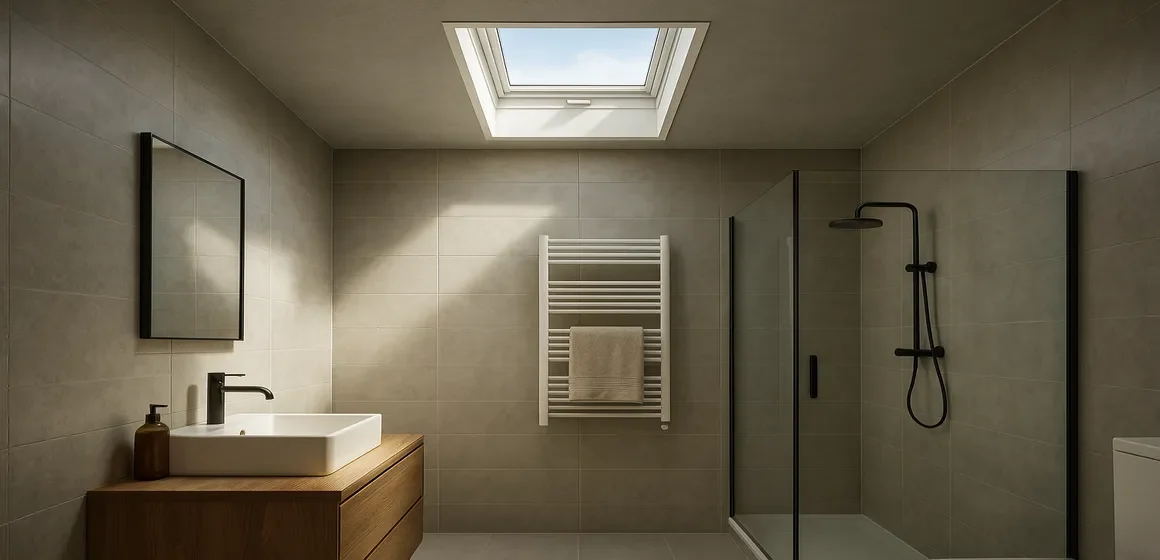
Vented skylights are designed to release excess humidity, preventing condensation before it becomes a problem. These skylights work particularly well in bathrooms, kitchens, and high-humidity areas where moisture is constantly present.
Many modern vented skylights include solar-powered automatic opening features, allowing them to close when rain is detected and open when needed for fresh air circulation.
Fixed Skylights: Best for Well-Ventilated Homes
Fixed skylights provide excellent insulation and energy efficiency, making them ideal for homes that already have a well-managed airflow system. While they do not actively reduce humidity, they can still be effective when paired with dehumidifiers or extractor fans in high-moisture areas.
For homes in coastal regions, double-glazed fixed skylights with Low-E coatings offer superior thermal performance, reducing condensation risks while maintaining indoor warmth.
Best Skylight Options for Condensation Prevention
Dunedin homeowners should select skylights designed to withstand persistent humidity and damp conditions. Below are the most effective moisture-resistant skylight solutions:
Solar-Powered Venting Skylights
- Automatically open and close based on humidity levels, allowing for moisture control.
- Ideal for bathrooms, kitchens, and laundry areas where excess steam builds up.
- Wind and rain sensors ensure protection during poor weather conditions.
Double-Glazed Skylights with Low-E Coatings
- Prevents interior glass from fogging by maintaining a stable indoor temperature.
- Improves insulation and reduces energy loss, making it a cost-effective option.
- Perfect for coastal and inland homes that experience frequent climate fluctuations.
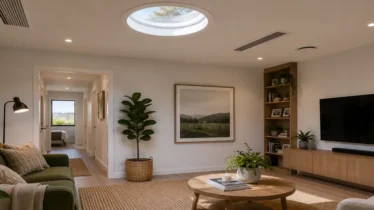
Tubular Skylights with Condensation Traps
- Designed for small, enclosed spaces where excess humidity accumulates.
- Built-in moisture drainage systems help eliminate internal condensation.
- Ideal for hallways, closets, and storage rooms where traditional skylights aren’t practical.
Expert Insights: How to Prevent Skylight Condensation in Dunedin
We spoke with Andrew Carter, a skylight specialist in Dunedin, to understand the best moisture prevention strategies:
“Many homeowners assume condensation is caused by a skylight defect, but it’s actually a sign of high indoor humidity. Proper ventilation—either through skylights or extractor fans—is key to keeping moisture under control.”
“For homes near the coast, I recommend laminated or double-glazed skylights with venting features. Pairing them with a dehumidifier or an automatic vent system makes a huge difference in preventing mould and water damage.”
Case Study: Reducing Skylight Condensation in a South Dunedin Home
A homeowner in South Dunedin struggled with severe skylight condensation, leading to water stains on ceilings and damp walls. They consulted a professional to find a long-term solution.
The Problem:
- Excess moisture buildup on skylights, particularly during winter.
- Visible mould growth around window frames due to trapped humidity.
- Increased indoor dampness, causing discomfort and musty odours.
The Solution:
- Replaced old single-glazed skylights with double-glazed, Low-E skylights for better insulation.
- Installed a solar-powered vented skylight in the bathroom to remove excess steam.
- Added an extractor fan to improve overall airflow in moisture-prone rooms.
Results After Installation:
After implementing these upgrades, the homeowner reported:
- A 90% reduction in condensation, significantly improving indoor air quality.
- Elimination of water damage, protecting ceilings and wooden frames.
- Better humidity control, reducing mould and unpleasant odours.
Conclusion
For Dunedin homeowners, condensation is an ongoing challenge, but selecting the right skylight and ventilation strategy can make a significant difference. Vented skylights, double-glazed designs, and proper airflow solutions can prevent excess moisture buildup, keeping homes comfortable and free from damp-related damage.
By investing in moisture-resistant skylights and working with professional installers, homeowners can enjoy clear, condensation-free skylights even in Dunedin’s humid climate.
Call to Action
Experiencing skylight condensation in Dunedin? Request a free quote today and find the best moisture-resistant skylight solutions for your home!