The Cool Coastal Room: How Skylights Can Reduce the Need for Electric Lighting in Summer
Summer Living, Redefined
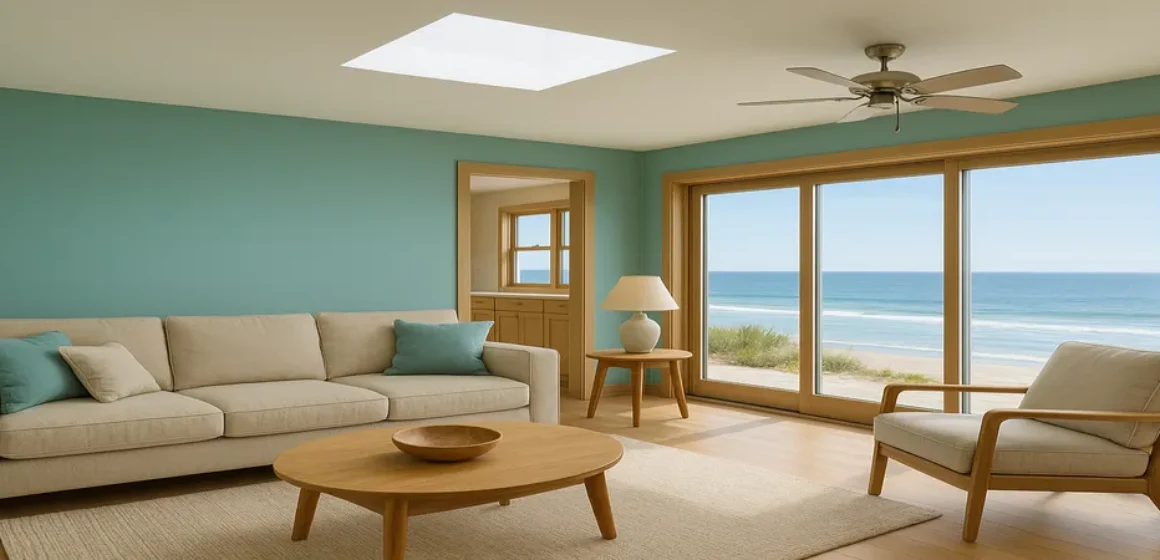
It’s 10:30am on a Whangaparāoa summer morning. The ocean’s sparkling, the breeze is light, and the sun is already high.
Outside, your deck is glowing. Inside? You’ve already turned on the hallway light.
In many coastal homes, especially along the Hibiscus Coast, bright exteriors contrast dim interiors, leading to unnecessary lighting — even in full daylight. And the irony? Many homes stay cool and dark when they could be bright and efficient.
Let’s explore how skylights — when placed with summer in mind — can light up your spaces without switching anything on, reduce the need for cooling, and support smarter seasonal living.
A Summer Problem You Can Fix
|
Challenge |
The Catch |
|
Relying on lights during the day |
Even in summer, internal rooms often lack natural daylight |
|
Running lights + fans or cooling |
Creates unnecessary energy use in bright weather |
|
Drawing curtains to avoid glare |
Blocks light instead of diffusing it |
|
Building heat from poorly placed skylights |
Turns a benefit into a burden |
The solution isn’t more artificial light. It’s the right kind of daylight — filtered, balanced, and passively cool.
Skylights as Summer Light Tools — Not Heat Traps
Skylights are often associated with warmth, but modern systems are designed to let in light, not heat. With the right choices, they deliver consistent daylight that:
- Reduces electric lighting use
- Keeps your rooms visually open and connected
- Maintains a stable, comfortable indoor temperature
3 Ways Skylights Reduce Summer Power Bills
1. They Eliminate Midday Lighting in Deep Rooms
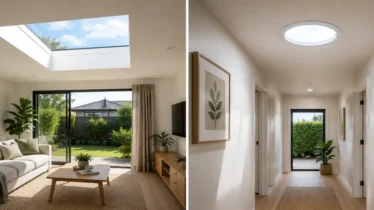
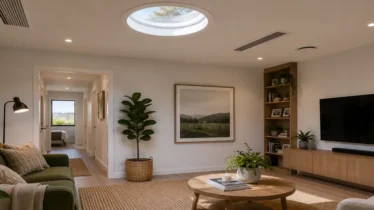
Sun tubes and diffused skylights make internal bathrooms, walk-in wardrobes, and hallways bright all day — without a switch in sight.
In summer, this can cut lighting costs in these rooms by up to 90%.
2. They Create Passive Brightness in Open-Plan Zones
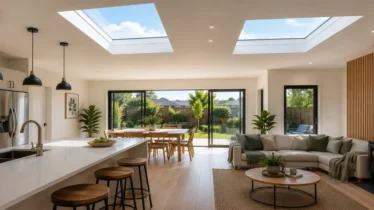
Large, north- or east-facing skylights fill your kitchen or lounge with natural light from 6am–5pm, depending on roof pitch.
That’s up to 11 hours of light per day, replacing bulbs completely during waking hours.
3. They Minimise Heat Gain with Smarter Glazing
Unlike older skylights, modern versions use:
- Low-E glass to block UV and reduce heat transfer
- Diffused lenses to spread light evenly
- Solar blinds that adjust to block peak sun without shutting out daylight
Inspired by Common Scenarios in the Region: Summer Upgrade in Manly
A homeowner in Manly upgraded their internal laundry and hallway with two compact sun tubes. What used to be dark zones requiring lights even at midday now stay naturally lit throughout summer — and noticeably cooler, thanks to diffused daylight and no added electrical heat output.
Best Orientation for Cool Summer Light
|
Skylight Orientation |
Summer Benefit |
|
East-facing |
Morning light, cooler afternoons |
|
North-facing |
Full-day brightness with solar blind option |
|
South-facing |
Soft ambient light with minimal heat gain |
|
Avoid direct west-facing |
Can cause late-day overheating without protection |
Low-Maintenance, Summer-Smart Skylight Tips
- Choose tempered or laminated glass with UV filters
- Consider vented models for passive airflow in upper zones
- Use solar-powered blinds for rooms with flexible use (e.g. guest rooms, media rooms)
- Opt for flush-mounted or curb-mounted frames in wind-prone areas
Thinking About a Cooler, Brighter Home This Summer?
Talk to a trusted installer who can help you design skylight solutions that cut your summer energy use without compromising comfort.