Energy Savings from Small Skylights: What to Expect
Let’s face it, every bit of energy saved matters. In an era of rising utility costs and growing environmental awareness, small skylights have become a quiet powerhouse in energy-efficient home design. But how much can they really save you? And are they worth the investment?
This article breaks it down with clarity, insights, and local relevance for New Zealand homeowners.
Why Size Doesn’t Limit Impact
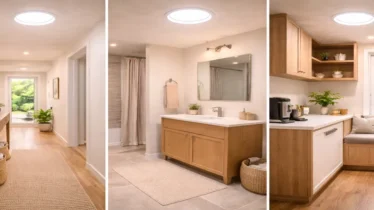
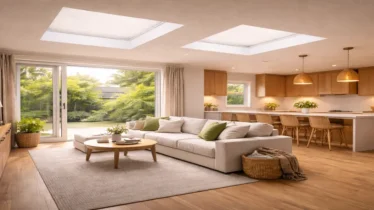
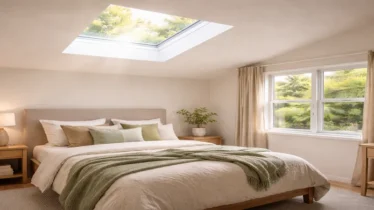
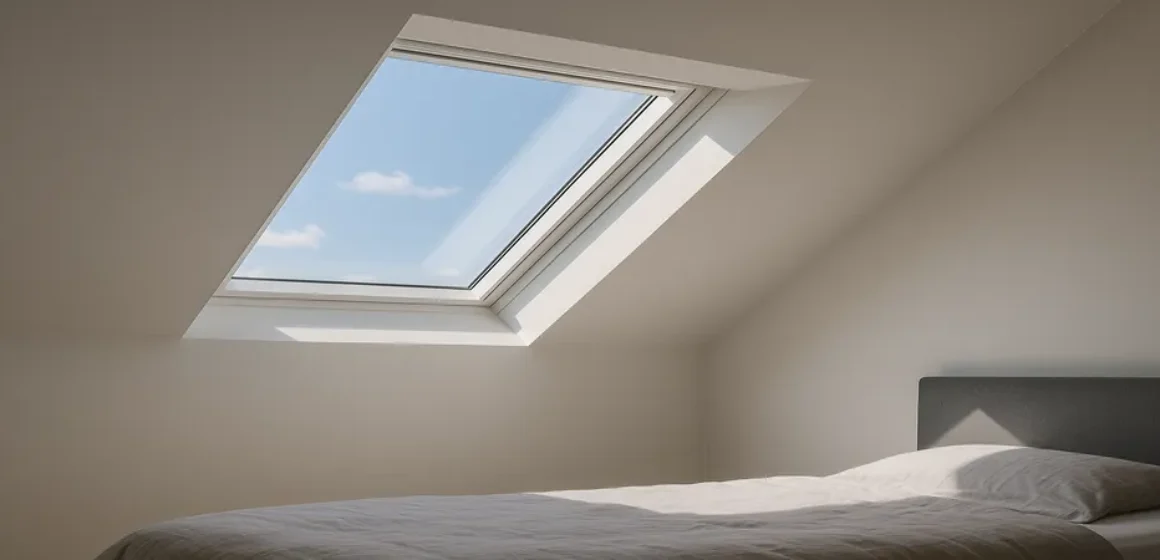
Small skylights may not command the same attention as grand roof windows, but they can play a critical role in reducing energy consumption. In fact, by introducing controlled, direct daylight into underlit areas like hallways, bathrooms, and interior laundries, they can reduce the need for electric lighting throughout the day.
Key Insight: A single 250mm sun tunnel can light up to 10 square metres, depending on placement and tube quality.
When placed correctly, small skylights can:
- Eliminate the need for artificial light during peak hours.
- Reduce strain on HVAC systems by balancing ambient temperature.
- Provide consistent, glare-free illumination, particularly tubular skylights with advanced diffusers.
Real-World Energy Savings
Based on independent studies and average household consumption patterns in New Zealand, installing even two or three small skylights in strategic areas can result in a 6–10% reduction in annual lighting costs.
If paired with passive heating designs or solar-reflective coatings, these savings can increase further by reducing heat gain or loss through artificial lighting or windows.
Illustrative Example Only:
In a typical Christchurch home with older fittings, replacing electric lighting in two internal bathrooms with 350mm tubular skylights reduced annual lighting usage by over 220 kWh, equating to approximately $75–$100 in annual savings, depending on power tariffs.
The Role of Tube Quality and Placement
Efficiency gains depend heavily on product quality and installation accuracy. Premium small skylights or sun tubes are made with high-reflectance tubing (often 98%+ reflectivity) that ensures minimal light loss.
Proper installation and placement also influence:
- Light Output Efficiency: Angle of the tube and roof pitch must align for optimal capture.
- Thermal Performance: Proper sealing and Low-E glazing help maintain room temperature.
See our guide to choosing the right tubular skylight for more practical tips.
Complementing Your Energy Strategy
Small skylights shouldn’t be seen in isolation. They work best as part of a broader daylighting and energy-saving strategy, especially when combined with:
- LED lighting systems with daylight sensors
- Passive solar design principles
- Energy-efficient insulation and glazing
Explore how this ties into larger goals by reading our article: How Energy Efficient Skylights Reduce Utility Costs
Final Thoughts: Big Returns from Small Designs
While they’re subtle in form, small skylights deliver strong returns when integrated properly. For cost-conscious homeowners, this makes them one of the most affordable and impactful upgrades to consider.
Not sure if it’s the right fit for your home? Our local installers can assess your layout and provide tailored advice on what’s possible.
Request a quote today to explore small skylight options for your space.