Energy Savings with Tubular Skylights: Do They Really Lower Bills?
Natural light doesn’t just make a space feel better — it can also help your home use less energy. Tubular skylights are often marketed as an energy-efficient upgrade, but do they actually deliver real savings?
Here’s what New Zealand homeowners need to know.
How Tubular Skylights Help Lower Energy Use
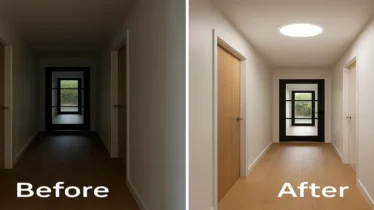
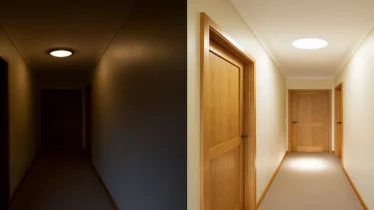
Tubular skylights provide high-quality daylight during the day, reducing your reliance on artificial lighting. This has several benefits:
- Lower power consumption: Especially in hallways, bathrooms, and laundries that would otherwise require lights on all day.
- Less heat transfer: The insulated design keeps warmth in during winter and heat out during summer.
- No electricity required to operate: Passive systems have no motors or ongoing energy draw.
Estimated Lighting Savings
While savings depend on your home and habits, here’s a typical scenario:
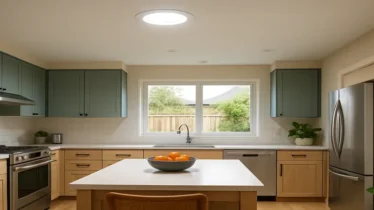
Illustrative Example Only: In a single-level home with a 250mm tubular skylight installed in the kitchen, artificial lighting use dropped by an estimated 70% during daylight hours. Over a year, this can reduce lighting-related power costs by up to 20–30% in that space.
Thermal Performance Matters
Unlike older skylight designs, modern tubular skylights use:
- Double glazing or thermal seals at the diffuser
- Low-emissivity (Low-E) coatings to block infrared heat
- Insulated reflective tubes
This combination prevents unwanted heat gain in summer and reduces heat loss in winter.
For more detail, see our guide on Energy Ratings, U-Values & Glazing Explained.
Do Tubular Skylights Help with Heating?
Traditional skylights can sometimes add passive heat gain. Tubular skylights mainly deliver light rather than warmth. Their primary energy-saving benefit is reducing artificial lighting, rather than heating your home.
If heat gain is a goal, larger glazed skylights may be more appropriate.
Supporting Sustainable Design
Many homeowners are working toward more sustainable, efficient homes. Tubular skylights support these goals:
- Reduce lighting energy demand
- Lower carbon footprint
- Enhance comfort without increasing energy use
Common Questions
Q: Will a tubular skylight increase my heating or cooling bills?
A: Properly installed models with good insulation will have minimal impact on thermal performance.
Q: Can I dim the daylight?
A: Some tubular skylights have optional dimming kits or diffusers to adjust brightness.
Q: Do I need to clean them?
A: Occasional cleaning of the rooftop dome ensures optimal light capture.
Final Thoughts: Light That Pays You Back
While tubular skylights won’t replace heating, they can make a significant dent in your lighting costs, all while improving the comfort and feel of your home.
Want advice on the best energy-saving options? Share your project and we’ll connect you with a local expert.