Choosing the Right Size Tubular Skylight for Your Space
Tubular skylights are one of the most effective ways to introduce natural light into dark or enclosed areas of your home — without major structural changes. But not all skylights are created equal, and selecting the right size is critical for getting the brightness and impact you’re looking for.
Here’s how to make the right call, whether you’re lighting up a hallway, bathroom, or utility space.
Why Size Matters in Tubular Skylights
Tubular skylights work by capturing sunlight through a dome and reflecting it down a highly polished tube into your home. The size of that tube determines how much light is delivered — too small, and the result may be underwhelming. Too large, and you may be wasting energy or budget.
Light output depends on:
- Tube diameter (common sizes are 250mm–400mm)
- Tube length and number of bends
- Dome quality and placement
- Roof pitch and orientation
Common Tubular Skylight Sizes & Their Uses
250mm (10″) Tubes
Best suited for:
- Small bathrooms
- Walk-in wardrobes
- Hallways under 2m wide
- Pantries and storage areas
These provide focused, soft light for compact spaces. Ideal when space is tight or the ceiling cavity is shallow.
350mm (14″) Tubes
Recommended for:
- Standard bathrooms
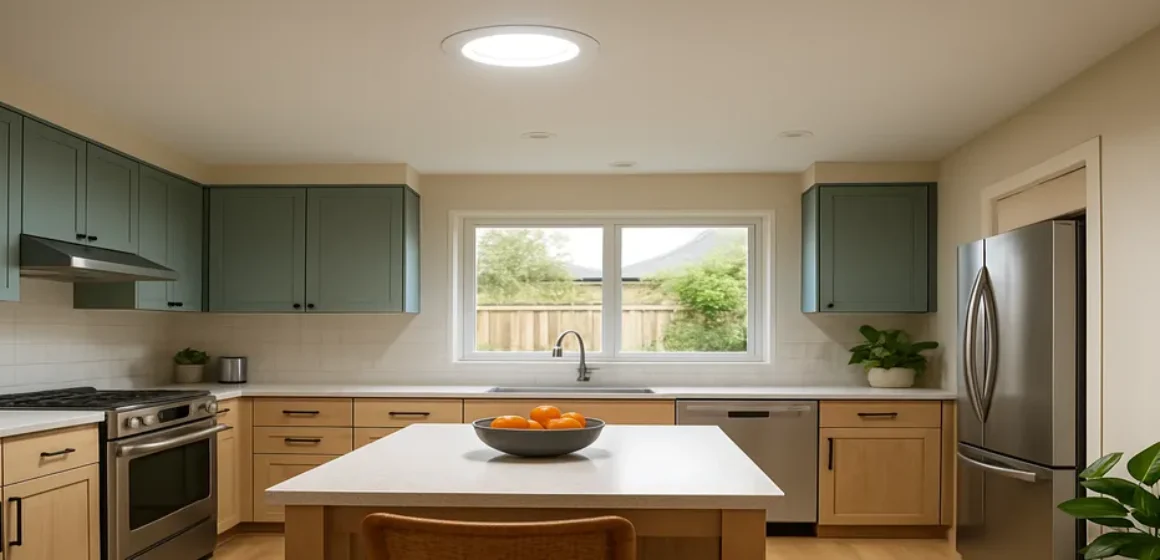
- Enclosed kitchens
- Small bedrooms
- Laundry rooms
This is the most popular size — a versatile middle ground for most residential rooms needing daylight but not excessive brightness.
400mm+ (16″ and above)
Suitable for:
- Living rooms or large kitchens
- Open-plan layouts
- Long hallways or high ceilings
Larger tubes bring in powerful daylight, and can replace the need for artificial lighting during the day. Great for spaces where you want to create a strong visual effect or reduce daytime energy use.
Other Factors That Affect Light Output
- Tube Length: The longer the tube, the more light is lost along the way. Keep tubes as short and straight as possible for maximum brightness.
- Roof Pitch & Orientation: North-facing roofs capture more sunlight. Steeper roof pitches may need angle adapters for optimal tube alignment.
- Diffuser Design: Modern diffusers help spread light more evenly — important for square or irregular-shaped rooms.
- Interior Colours: White or reflective surfaces help bounce light around the room. Dark walls and furnishings absorb it.
Regional Considerations: NZ Homes & Climate
- In colder climates (e.g. Wanaka, Queenstown, Southland), consider skylights with thermal protection to retain warmth.
- High UV areas benefit from UV-filtering domes to reduce glare and material fading.
- Bush-clad or shaded sections may need larger tubes or enhanced dome technology to compensate for reduced direct sun.
Tips for Getting It Right
- Measure the room’s floor area and ceiling height
- Think about how you use the space — task lighting or ambience?
- Consider existing windows or light sources
- Factor in any roof cavity restrictions or bends
- Ask your installer for a lighting simulation or estimate
Still Not Sure? We Can Help
Choosing the right skylight size isn’t guesswork. Our expert installers can assess your space, roof structure, and lighting goals to recommend the best solution — before you cut a single hole.