Daylight and Wellbeing: The Proven Health Benefits of Natural Light in Homes
Natural daylight isn’t just about aesthetics — it plays a fundamental role in our physical, emotional, and mental wellbeing. As modern life pulls us indoors more than ever, ensuring your home is well-lit with natural light can significantly impact how you feel, sleep, and function.
This article breaks down the research-backed benefits of daylight and how thoughtful skylight placement can help deliver them year-round.
1. Mood Regulation and Mental Health
Sunlight exposure stimulates the release of serotonin, a key hormone that helps stabilise mood, reduce anxiety, and promote a sense of calm and focus. Low levels of natural light, especially during winter months, are associated with Seasonal Affective Disorder (SAD) — a type of depression triggered by reduced sunlight exposure.
Supporting Research:
- A study published in Environmental Health Perspectives found that increased daylight exposure correlated with lower symptoms of depression and anxiety in participants.
- The Royal College of Psychiatrists in the UK recognises light therapy as a legitimate treatment for seasonal low mood.
What That Means for NZ Homes:
In regions like Queenstown, Wanaka, and the West Coast — where overcast skies and long winters are common — strategic skylights can help offset the lack of daylight and support year-round mental wellness.
2. Better Sleep Quality
Natural light exposure helps regulate the circadian rhythm — your body’s internal clock that controls when you feel alert or sleepy. Daylight in the morning helps set a healthy sleep–wake cycle, leading to:
- Faster sleep onset at night
- Deeper, more restorative rest
- Improved daytime energy
Key Insight:
According to a 2017 paper in Sleep Health Journal, office workers with more natural light exposure slept an average of 46 minutes longer per night than those in low-light environments.
Application at Home:
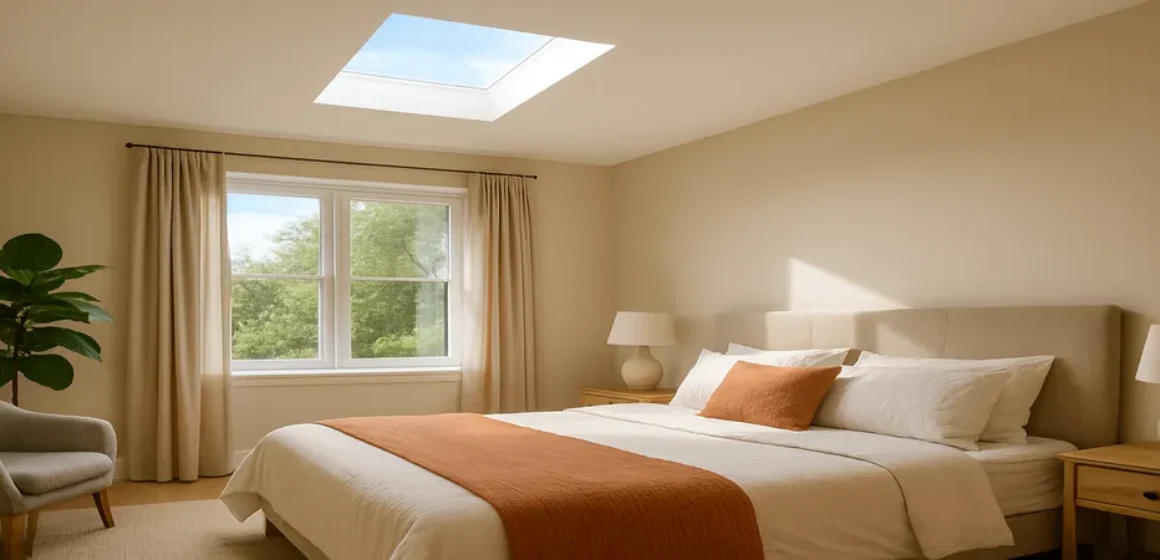
Bedrooms, kitchens, and bathrooms benefit most from morning light exposure. Installing skylights in these spaces can support healthier sleep patterns — particularly important for families, shift workers, or the elderly.
3. Immune System Support
Daylight is a natural source of vitamin D, which plays a critical role in immune function, inflammation regulation, and bone health. While glass and diffusers in skylights may filter UVB (required for vitamin D synthesis), exposure to naturally lit environments still encourages more outdoor activity and a healthier daily routine.
Clinical Context:
- Vitamin D deficiency is common in NZ, particularly during winter.
- A 2020 BMJ study reinforced that adequate vitamin D supports resilience against respiratory infections.
What You Can Do:
Even if UVB exposure through skylights is minimal, bringing daylight into your home increases visual comfort and promotes habits that support immune health — like increased activity, less screen time, and improved sleep.
4. Reduced Eye Strain and Fatigue
Natural light provides a broader spectrum than artificial lighting, which reduces glare and eye strain. For people working from home or spending extended time indoors, daylighting improves:
- Visual clarity
- Colour rendering
- Overall comfort
Pro Tip:
Skylights above home offices or study nooks distribute light more evenly than windows alone — especially in internal rooms where traditional glazing isn’t an option.
5. Enhanced Cognitive Function & Productivity
There’s growing evidence that well-lit spaces improve concentration, decision-making, and memory recall. In both children and adults, natural light boosts productivity and academic performance.
Supporting Data:
The Lighting Research Center found that schoolchildren exposed to increased daylight scored up to 20% higher on maths and reading tests compared to peers in artificially lit classrooms.
6. Emotional Warmth and Aesthetics
Beyond physical health, daylight simply makes homes feel more open, warm, and comforting. That emotional uplift is powerful — especially in busy households where shared spaces need to feel inviting and energising.
Where Skylights Deliver the Most Wellness Impact
- Kitchens & Dining Areas: Great for mood, social connection, and circadian rhythm support.
- Bathrooms: Improve air quality, sleep cues, and visual comfort.
- Bedrooms: Enable healthy morning light exposure.
- Hallways & Stairwells: Reduce artificial lighting reliance and brighten circulation zones.
- Home Offices: Support visual comfort and mental clarity.
The Bottom Line: Every Ray Counts
In a country where grey skies are common and many homes were designed before daylighting was a priority, installing skylights is more than a design choice — it’s a health-forward investment. Whether it’s better sleep, improved focus, or seasonal mood balance, the right skylight can make a measurable difference.