The Summer Ventilation Equation: Keeping Your Home Fresh with Vented Skylights
A typical Wanaka afternoon can start breezy and end breathless. By mid-summer, warm air gathers beneath the ceiling and refuses to move—especially in kitchens, lofts, and bathrooms. Opening side windows helps, but heat wants to escape upwards.
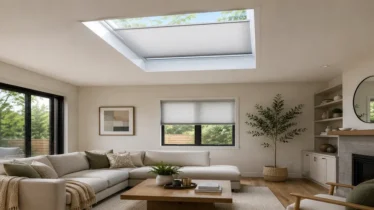
This is where vented skylights quietly solve the equation: letting hot air rise and exit through the roof while drawing cooler air in from below. The result? A naturally ventilated home that feels crisp, bright, and calm.
Why ventilation matters in Wanaka’s alpine summer
Unlike coastal climates, Wanaka’s air is dry, clear, and sun-intense. Without circulation, indoor temperatures can exceed outdoor ones even with modest roof pitches.
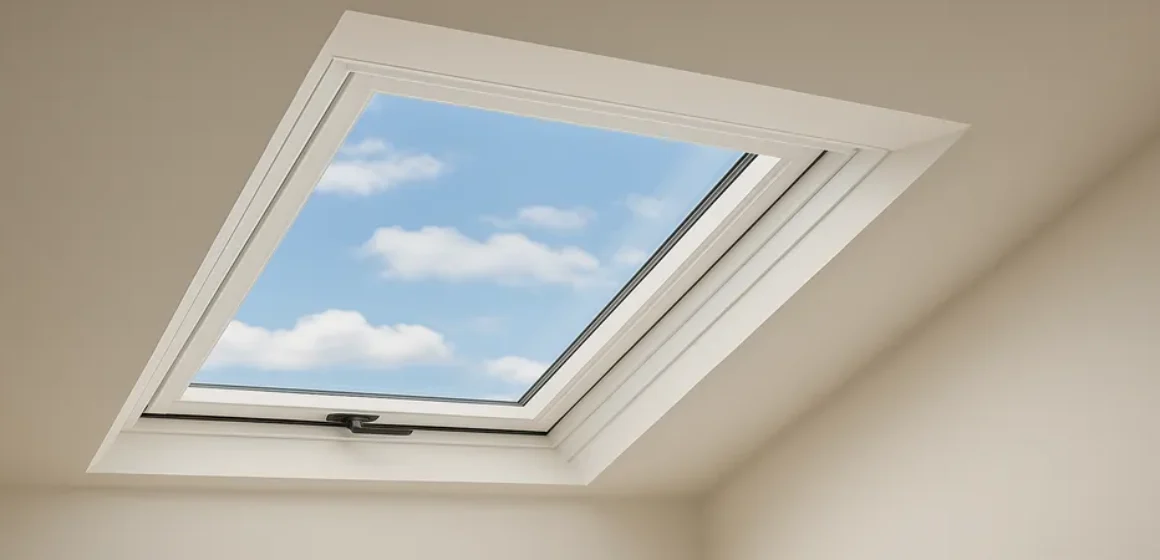
A vented skylight acts as a passive chimney, releasing built-up heat without mechanical systems.
Core principles in plain English:
- Hot air rises: Give it a controlled escape path.
- Cool air replaces it: Create lower openings for flow balance.
- Continuous exchange = comfort: Constant movement maintains oxygen levels and reduces stuffiness.
How vented skylights create natural airflow
Think of your home as a breathing structure. A vented skylight at the highest point lets it “exhale.”
Key features that make it work:
- Manual or solar-powered openings for set-and-forget convenience.
- Rain sensors that automatically close the unit when showers pass through.
- Thermal breaks and Low-E glazing preventing unwanted heat gain while open or shut.
- Bug-proof ventilation panels that allow air movement even when locked.
Illustrative example only: A family near Albert Town fitted two solar-powered vented skylights above a vaulted kitchen. On a 28 °C afternoon, the space dropped to a comfortable 23 °C within an hour—no air-conditioning required.
Rooms that benefit most from vented skylights
|
Room/Zone |
Common Issue |
Vented Skylight Benefit |
|
Kitchens |
Cooking heat & odours |
Quick heat release + continuous airflow |
|
Bathrooms |
Humidity & condensation |
Natural moisture extraction |
|
Lofts/Attics |
Trapped rising heat |
Passive cooling, fresher air |
|
Living rooms |
Still summer air |
Gentle movement without noise or draughts |
Energy efficiency and wellbeing benefits
- Less reliance on air-conditioning: Ventilation trims both carbon footprint and power bills.
- Better indoor air quality: Reduces pollutants, dampness, and mould potential.
- Thermal comfort: Even temperatures across rooms improve sleep and concentration.
- Quiet operation: No fan noise, no hum—just airflow.
Design & installation tips for best performance
- Placement: Install on the highest roof section; ideally above open living zones.
- Pairing: Combine with lower windows or louvres for cross-flow.
- Automation: Solar-powered openers ensure you never forget to ventilate.
- Orientation: North-facing units capture early air movement and late-day release.
- Maintenance: Clear dust or leaves around flashings each spring for optimal performance.
When to plan your installation
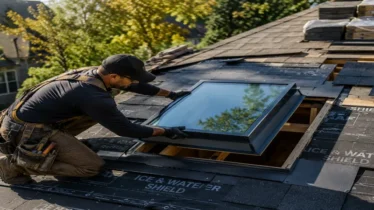
Spring remains the most practical time to install vented skylights in Wanaka—safe roof temperatures, stable weather, and pre-holiday readiness. By December, most installers are at capacity.
Key takeaways
- Airflow is energy: moving hot air out keeps homes naturally cool.
- Vented skylights provide free, silent ventilation all summer.
- Automation adds safety and ease.
- Spring installs guarantee readiness before peak heat.
Final thoughts
Comfort in summer isn’t about more technology—it’s about smarter design. A vented skylight harnesses Wanaka’s own air movement to balance light, temperature, and wellbeing.
If you’d like expert guidance on the best vented solution for your home, submit your enquiry and our team will recommend options tailored to your roof type and space.