Designing with light – skylights that complement Wanaka’s scenic views
Morning in Wanaka feels cinematic — sunlight spilling across the lake, mountains etched in gold. Yet many homes unintentionally shut out this beauty with small windows or heavy blinds.
A well-placed skylight can transform that: inviting the alpine light in while preserving the view and comfort. This is about design, not just daylight — shaping how your home feels from sunrise to dusk.
1. Light as a design material
Architects talk about form and texture; light is the invisible third ingredient. In Wanaka, where clarity and contrast are high, light becomes architectural itself.
Design insight:
- Position skylights to paint light onto walls rather than directly onto furniture.
- Use diffusers or angled shafts to soften glare and preserve the scenic view outside windows.
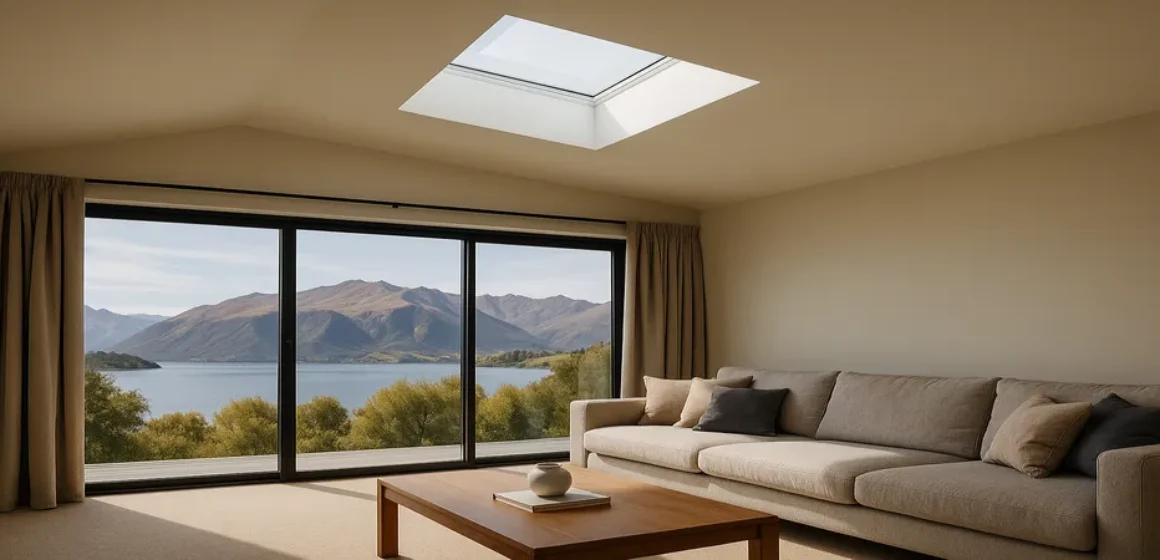
- In tall living rooms, pair roof windows with vertical glazing to create depth — letting mountain light fall diagonally through the space.
“Light isn’t decoration; it’s structure,” says an interior designer who renovated a Roys Bay home. “Once we added a single roof window, the view finally felt like part of the room.”
2. Complementing, not competing with, the landscape
Wanaka’s views are dynamic — blue one moment, amber the next. Skylight placement should enhance that variation.
Smart placement examples:
- North-facing slopes: Capture even light throughout the day.
- East-facing zones: Catch gentle morning glow for kitchens or offices.
- South-facing elevations: Ideal for artists’ studios — consistent light, minimal glare.
Analogy: Think of skylights as lenses, not spotlights. Their job is to reveal the scenery, not steal the scene.
3. Glare control and visual comfort
Bright alpine light can overwhelm reflective surfaces. The goal is balance — vivid, but never harsh.
Technique | Effect | Best Used In |
Low-E or tinted glazing | Reduces UV and heat | Living areas with wide exposure |
Opal diffuser | Soft, even glow | Bedrooms or reading corners |
Retractable blind or solar screen | Adjustable brightness | Spaces facing direct sun |
Deep shaft design | Directional control of light | Modern flat-roof homes |
Visible benefit: Walls appear warmer, ceilings higher, and colours truer — all without sacrificing your outlook.
4. Integrating skylights into modern alpine architecture
New Wanaka builds blend timber, steel, and glass — materials that respond beautifully to controlled daylight.
Integration tips:
- Align skylight shapes with roof rhythm (e.g., twin narrow slots in gabled roofs).
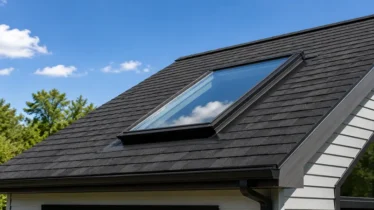
- Use matching flashings in Coloursteel or zinc tones for visual consistency.
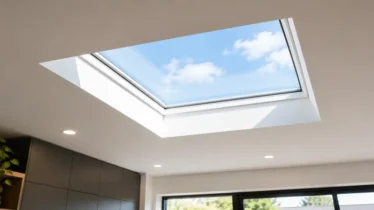
- Consider frameless internal finishes for a seamless ceiling line.
- Combine fixed and vented units for both light and airflow in open-plan zones.
5. Emotional design: how light changes experience
Good daylighting does more than illuminate. It affects mood, perception, and rhythm.
You’ll see textures come alive on timber, feel the cool morning air move through an open vent, and notice how sunset reflections play across your walls.
In a region where daylight defines daily life, the right skylight design turns your home into an experience — not just a shelter.
Key takeaways
- Frame the view: Align skylights to complement, not compete with, Wanaka’s scenery.
- Balance brightness: Diffusers, glazing, and shafts control glare and heat.
- Design with materials: Match finishes to timber and steel tones common in alpine builds.
- Plan holistically: Combine light, ventilation, and visual harmony in one design decision.
Final thoughts
Wanaka’s light is a designer’s dream — clear, sculptural, alive. The best skylights don’t just brighten a home; they connect it to the landscape itself.
If you’re planning or renovating, our team can help you choose skylights that celebrate your view and elevate comfort.
Discuss your project with us today — we’ll help you design with light, not just install it.
FAQs
How can I enjoy my mountain view without overheating the room?
Use Low-E or tinted glazing with an opal diffuser; it softens glare and cuts heat while preserving clarity.
Will a skylight change how my interior colours appear?
Yes — natural daylight enhances true tones, especially on timber and neutral finishes. Colours look cleaner and less yellow than under artificial light.
Can skylights be placed to highlight specific features?
Absolutely. Install them above stairwells, kitchen islands, or artwork walls to create focused “light zones” that evolve throughout the day.
Do skylights suit both new builds and renovations?
Yes. Flat, gabled, and low-pitch roofs can all be adapted with the right flashing system and shaft depth.