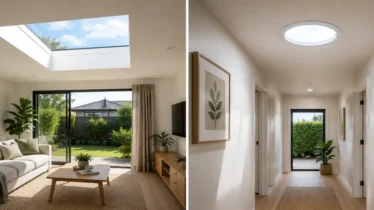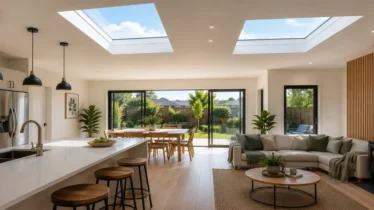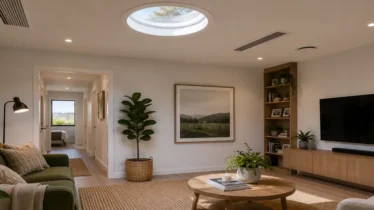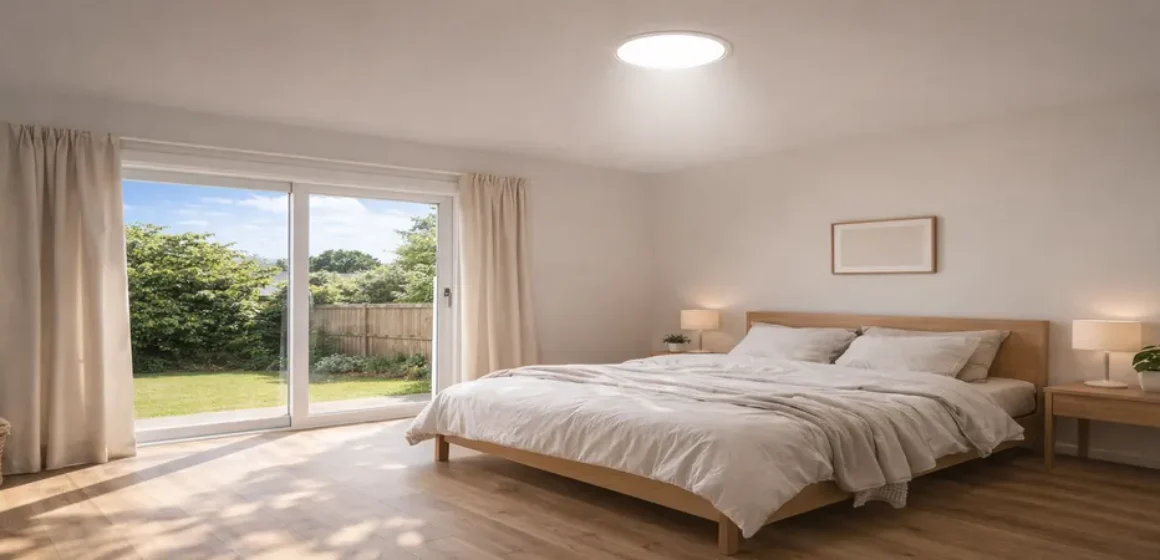
Loft conversions and attic spaces in Auckland: skylight options that feel like a real room, not a cave
A loft conversion usually starts with a simple hope.
“Let’s turn that roof space into something useful.”
A home office. A teen retreat. A guest room. Storage that doesn’t feel like a dungeon.
Then you stand in the roof space and realise the problem.
It is dim.
Even in daytime, it reads like an attic. Not a room.
The quickest way a loft conversion stops feeling like a cave is not paint or carpet. It is daylight.
This guide is a practical Auckland take on choosing and planning an attic skylight so the space feels like a real room: bright enough to use, calm enough to live in, and comfortable enough to stay in through summer and winter.
The loft conversion truth: roof spaces need top-down light
Traditional windows do not always work in lofts.
- gable walls may be limited
- privacy and neighbours can be close in Auckland suburbs
- rooflines often dictate what can be added
Skylights are often the most direct path to:
- daylight in the middle of the space
- a ceiling that feels lifted rather than heavy
- a room that feels “awake” even on overcast days
Step 1: Decide what kind of attic room you’re building
Skylight planning changes depending on the use.
If it’s a bedroom or guest room
- comfort and sleep control matter
- light should be calming, not harsh
- blinds become more important
If it’s a home office or studio
- even, usable daylight matters
- screen glare and reflections matter
- heat build-up matters
If it’s a playroom or hobby space
- bright, safe light matters
- overheating and glare should be avoided
A good attic skylight plan is not one-size-fits-all.
Step 2: Choose the skylight behaviour you want
Attic skylights can behave in two main ways.
Behaviour A: “Ceiling lift” light
- spreads broadly
- makes the space feel larger
- reduces the cave effect
Behaviour B: “Task” light
- targeted to a desk, reading nook, or workbench
Most loft conversions need Behaviour A first.
You can add task support later.
Step 3: Placement rules that stop lofts feeling like caves
Place light where it reaches the centre
Many lofts feel like caves because light is only near edges.
Overhead daylight positioned to reach the centre zone changes everything.
Avoid creating a “hot patch” on the floor
On clear summer days, an attic skylight can create a strong sun patch.
That can:
- overheat the room
- create glare
- make the space feel harsh rather than calm
In Auckland, this matters because sun breaks can be sharp even on otherwise mixed-weather days.
Protect screen and sleep zones
If the loft includes:
- a desk with monitors
- a bed zone
Placement should avoid direct glare paths.
Skylights should lift the room, not fight the way you use it.
Step 4: Fixed vs opening in attic spaces
Fixed attic skylights
Often the best default if your goal is:
- consistent daylight
- clean design
- low complexity
Opening attic skylights
A strong option when:
- the loft gets stuffy in summer
- warm air builds at the high point
- you want natural ventilation support
Lofts are where opening skylights can genuinely shine because warm air naturally collects high.
However, opening only helps if:
- there is an inlet path (fresh air can enter lower)
- operation is practical and safe
If you want an overview of skylight types:
Step 5: The comfort issues lofts must solve (Auckland edition)
Summer overheating
Lofts can heat up faster than lower levels.
Comfort planning should consider:
- skylight placement
- glazing choice
- blind control
- ventilation strategy
Winter comfort
A loft should still feel stable in winter.
Good planning includes:
- correct insulation around the roof window
- tight, weathertight integration
- avoiding cold spots and drafts
Wind-driven rain exposure
Auckland storms can be angled.
Roof windows need correct flashing and integration.
If you want more on flashing:
The future-proof move: blinds are not optional in many lofts
Loft skylights are closer to your living space than many ceiling skylights.
That means light intensity can be stronger.
If the loft is used for sleep or screens, blinds often shift the room from “occasionally annoying” to “always usable”.
Future-proof planning guide:
Illustrative Example Only: the loft that felt like storage until daylight arrived
A homeowner converted a roof space into a home office.
The structure was fine. The finishes were tidy. But the room still felt like a roof cavity because light didn’t reach the centre.
Once the attic skylight was planned to lift the room’s centre zone and avoid direct screen glare, the space stopped reading as “attic”.
Their reflection afterwards:
“It finally feels like a room you can work in, not a space you’re borrowing.”
A practical attic skylight checklist
Use this before you finalise plans.
- What is the loft used for (sleep, work, play)?
- Do you need ceiling-lift light, task light, or both?
- Where will the bed/desk/screen sit?
- How will you control light intensity (blinds)?
- Will the loft overheat in summer?
- Does an opening skylight make sense for ventilation?
- What roof framing and roof space constraints exist?
If you want advice specific to your Auckland loft conversion:
For Auckland coverage:
FAQs (unique to this topic)
Will an attic skylight make a loft feel bigger?
Often yes. Overhead daylight lifts the ceiling and reduces the cave effect, especially when light reaches the centre of the space.
Should I choose an opening skylight for a loft conversion?
Consider it if overheating and stale air are real issues. Opening skylights can help release warm air, but they work best when there is a clear airflow path and practical operation.
Do loft skylights need blinds?
In many cases, yes, especially for bedrooms and screen-heavy spaces. Blinds allow control on clear summer days and early mornings.
What is the biggest mistake with attic skylights?
Placing the skylight where it creates harsh sun patches or glare on screens. Loft spaces are more sensitive because the skylight is closer to occupants.
Do I need special flashing for attic skylights?
Flashing must match your roof type and exposure. Good integration is essential in Auckland wind-driven rain conditions.