Flashing systems 101: the part nobody sees, but Auckland weather tests the hardest
If you only judge a skylight by the glass you can see, you miss the most important part.
The part that decides whether the install is calm for 15 years or stressful after the first storm is not the skylight.
It is the flashing.
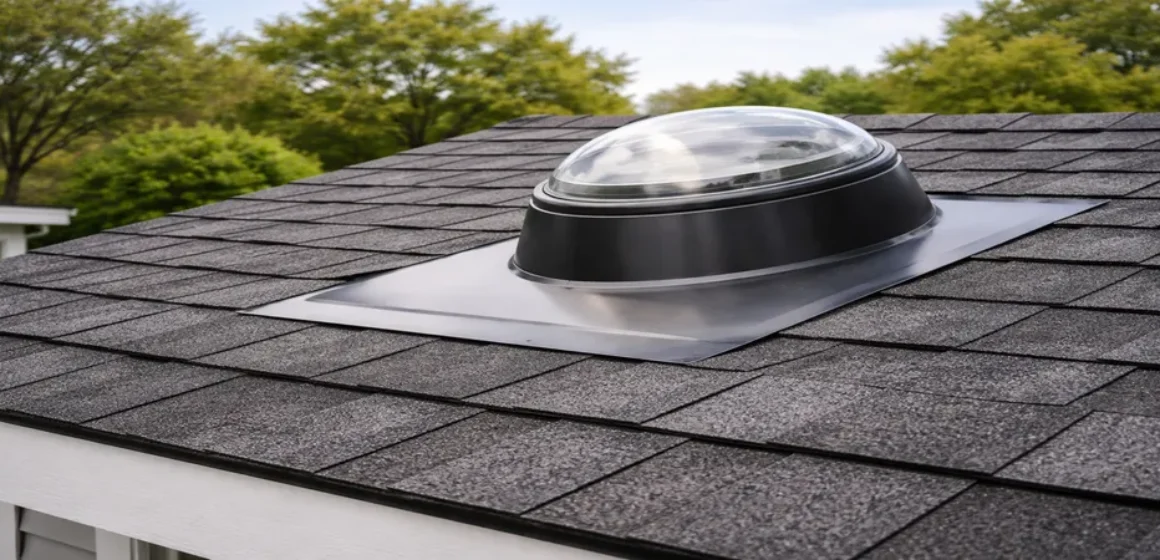
Skylight flashing is the roof integration detail that manages water. It is the reason a skylight is a safe roof penetration, not a future leak.
In Auckland, flashing matters even more because rain rarely arrives politely. Wind-driven rain, sudden squalls, and roofs that see salt air and debris build-up all test junction details.
This guide explains flashing in plain English, what good looks like, and what to ask before work starts.
What flashing is (and what it is not)
Flashing is a shaped metal or compatible material system that:
- directs water away from the skylight opening
- overlaps roofing materials correctly
- returns water flow back onto the roof safely
Flashing is not:
- a bead of sealant
- a “waterproof tape fix”
- something you only worry about if it leaks
Sealants can play a supporting role, but flashing is the engineered water path.
A simple analogy:
A skylight is a bridge through your roof. Flashing is the drainage system that stops the bridge from flooding.
Why Auckland is a flashing test environment
Auckland weather tends to expose weak details because of:
- wind-driven rain that hits junctions from the side
- sudden downpours that overwhelm poor water paths
- roof debris (leaves, pollen, coastal grit) that can redirect water
- a mix of roof types and roof geometries across the city
If flashing is wrong, Auckland will eventually find it.
The three flashing jobs that must happen every time
If you want to understand flashing quality, look for these functions.
1) The “top” must shed water cleanly
Water must be directed around the skylight, not allowed to push underneath.
2) The sides must manage flow and wind pressure
Side laps and upstands protect against water being pushed sideways by wind.
3) The “bottom” must release water back onto the roof
Water needs a clear exit that returns it to the roof surface and back into normal drainage paths.
When any of these are compromised, leaks often appear in ways that confuse homeowners.
Flashing depends on your roof type
This is where generic advice fails.
A skylight flashing system must match the roof.
Long-run metal roofing (common in Auckland)
Key requirements:
- correct integration with roof ribs and pans
- clean side upstands
- careful attention to where water flows on the roof plane
Tile roofs
Key requirements:
- correct integration under and over tiles
- careful sealing of tile interfaces
- avoiding gaps where wind-driven rain can push water back
Low pitch or membrane roofs
Key requirements:
- detailing that manages slower water run-off
- robust upstands and compatible materials
- careful junction sealing and drainage planning
If your roof has valleys or complex geometry, flashing needs to be planned as part of the water path, not treated as an accessory.
What good flashing looks like (in homeowner terms)
You do not need to be technical to spot quality.
Good flashing usually means:
- neat, continuous metalwork with clean overlaps
- no “random patch” look
- no reliance on thick sealant beads as the primary defence
- integration that looks intentional with the roof profile
- fixings that suit the environment (especially coastal Auckland)
Poor flashing often looks like:
- uneven cuts and rough edges
- visible gaps or lifting corners
- sealant doing the heavy lifting
- water paths that appear obstructed or forced
The biggest flashing mistakes (and why they fail)
Mistake 1: Treating flashing as a generic kit
A skylight flashing approach that suits one roof may be wrong for another.
Mistake 2: Placing skylights where water concentrates
Valleys and low points carry heavy water flow. If a skylight sits in a water concentration zone without specific detailing, it increases risk.
Mistake 3: Using sealant as the solution
Sealant ages. It cracks, shrinks, and fails. Flashing is the long-term water management solution.
Mistake 4: Ignoring coastal corrosion
In Eastern Bays, Waiheke, and exposed coastal sites, fixings and metal compatibility matter. Corrosion can weaken junction details over time.
Illustrative Example Only: the leak that wasn’t the skylight
A homeowner blamed the skylight glass because water appeared on the ceiling after heavy rain.
The real issue was a flashing detail that allowed wind-driven rain to push water under a side junction.
Once the flashing integration was corrected, the skylight performed exactly as it should.
Their reflection afterwards:
“It wasn’t the skylight. It was the way it was tied into the roof.”
The questions to ask before you sign off on a skylight install
These questions protect you from vague answers.
- What flashing system is being used for my specific roof type?
- How will water be directed around and away from the skylight?
- Are there any valleys or heavy water paths near the skylight location?
- What materials and fixings are being used, and are they suitable for Auckland exposure?
- Will you provide photos of flashing stages before the roof is closed out?
If you are planning a skylight in Auckland and want the detail assessed properly:
For Auckland service context:
If you want to understand skylight types and how they integrate:
A simple homeowner checklist for flashing confidence
If you want to keep it practical:
- ensure the installer explains water path, not just “it will be sealed”
- avoid installs that rely heavily on sealant as the primary defence
- confirm flashing is designed for your roof type
- confirm the skylight is not placed in a known debris or pooling zone
- ask for documentation and photos of key stages
This is the difference between a skylight you forget about and one you worry about.
FAQs (unique to this topic)
What is skylight flashing?
Skylight flashing is the roof integration system that directs water around the skylight opening and back onto the roof safely. It is the main weathertight detail.
Can a skylight be installed without proper flashing?
It should not be. Sealants alone are not a durable substitute. Proper flashing is required to manage water long term.
Why does Auckland weather make flashing more important?
Wind-driven rain and sudden downpours can push water into weak junctions. Auckland conditions expose flashing mistakes faster than calmer climates.
Is flashing different for metal and tile roofs?
Yes. Each roof type requires a roof-specific integration approach and flashing detail. A generic solution increases risk.
What should I ask my installer about flashing?
Ask how water will flow around the skylight, what flashing system suits your roof type, whether valleys or debris zones are nearby, and whether photos will be provided during installation.