The hidden cost of poor skylight planning: why the cheapest answer is not always the safest
A skylight quote can look simple on paper.
One room. One product. One roof opening. One price.
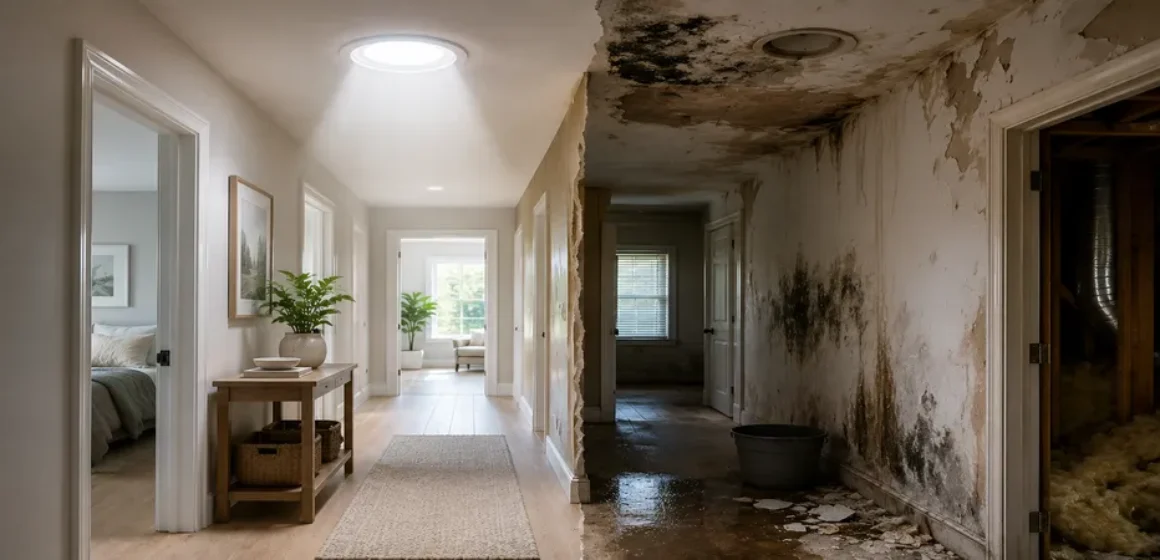
But a skylight is not only a product. It becomes part of the roof, the ceiling, the room and the way water moves across the home. If the product is wrong, the flashing is unsuitable, the placement is poorly considered or the roof conditions are ignored, the real cost may appear later.
That cost may not only be financial.
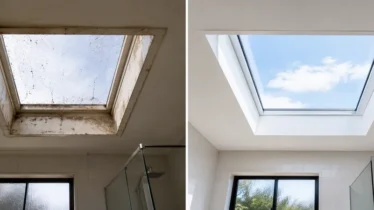
It may show up as leaks, internal damage, poor daylight placement, glare, messy finishing, unresolved ventilation problems, avoidable rework or a room that still does not feel right after installation.
This is why skylight installation quality matters.
The cheapest answer is not always the safest answer, especially when roof work, weatherproofing and room performance are involved. A well-planned skylight should solve the right problem, suit the roof, use the right flashing, respect the room below and be installed with care.
This guide explains the hidden costs of poor skylight planning and what New Zealand homeowners should check before approving a quote.
Why skylights need more planning than many homeowners expect
A skylight sits at the meeting point of several building elements.
It affects:
- The roof surface
- Weatherproofing
- Flashings
- Roof pitch and water flow
- Roof framing
- Ceiling cavity
- Insulation
- Internal finishing
- Room daylight
- Glare and comfort
- Ventilation if an opening unit is used
- Long-term maintenance
That means a skylight decision should not be made from the room alone.
The room explains why daylight is needed. The roof determines how daylight can be delivered safely. The ceiling space decides what path is practical. The product choice determines how the room will perform. The installation quality brings all of it together.
Poor planning usually happens when one of those pieces is ignored.
A homeowner may get a low price, but the quote may not have allowed properly for flashing, roof pitch, internal finishing, safe access, moisture issues, roof condition or product suitability.
That is where hidden cost begins.
Hidden cost 1: the wrong product for the room
Not every dark room needs the same daylight solution.
A hallway may suit a tubular skylight or Sky tube. A kitchen may need a fixed skylight over the working area. A bathroom may need daylight and ventilation considered together. A home office may need careful glare control. A bedroom may need privacy and sleep comfort considered.
Poor planning can lead to the wrong product being chosen.
Examples include:
- Installing a large fixed skylight where a tubular skylight would have been more proportionate
- Choosing a tubular skylight where the room needed stronger daylight and visual openness
- Choosing a vented skylight without a real airflow need
- Choosing a fixed skylight in a bathroom where ventilation issues are being ignored
- Choosing a product that does not suit the roof pitch or roof type
- Choosing a skylight size based on price rather than room outcome
The cost is not always immediate.
The room may still feel wrong afterwards. The skylight may provide light, but not where it is needed. The homeowner may need extra work later to solve the issue that should have been identified at the start.
Good planning begins with the room’s actual problem.
Hidden cost 2: poor placement
Skylight placement can decide whether the upgrade succeeds.
A skylight should not simply go where it is easiest, cheapest or most symmetrical. It should go where daylight creates the strongest useful result while still respecting the roof conditions.
Poor placement can cause:
- Daylight landing in the wrong area
- A dark bench, hallway or bathroom zone remaining unchanged
- Screen glare in a home office
- Brightness over a bed where it disrupts comfort
- Glare on a television, mirror or glossy benchtop
- Uneven light in a long hallway
- A skylight that looks awkward from inside
- A product that is difficult to flash properly because the roof position is unsuitable
For example, a kitchen skylight placed in the centre of the ceiling may look tidy on a plan, but if the island remains in shadow, the result may disappoint. A hallway diffuser placed at one end may not improve the darkest central section.
The cheapest quote may not always include enough thought about daylight placement.
A good quote should consider where the daylight needs to land.
Hidden cost 3: unsuitable flashing
Flashing is one of the most important parts of skylight installation.
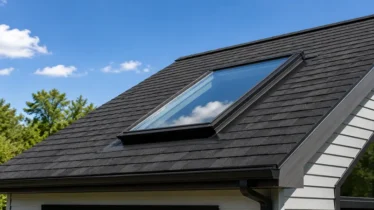
It helps integrate the skylight with the roof so rainwater is directed around the opening properly. It is not just a trim piece. It is part of the roof’s weatherproofing system.
Poor flashing selection or poor flashing installation can create serious issues.
Flashing must suit:
- Roof material
- Roof profile
- Roof pitch
- Skylight product
- Product size
- Placement
- Water flow
- Local weather exposure
- Manufacturer requirements
- Installation method
A cheap quote may look attractive if flashing details are vague or not properly allowed for.
Homeowners should be cautious of quotes that do not clearly explain how the skylight will be integrated with the roof.
The right question is not simply:
“Is flashing included?”
A better question is:
What flashing approach suits my roof type, roof pitch and skylight product?
Hidden cost 4: ignoring roof pitch
Roof pitch affects how rainwater moves.
A steeper roof sheds water differently from a low-pitch roof. A low-pitch roof may require more careful product selection, flashing and placement. Some skylight products and flashing systems have suitability requirements based on pitch.
If roof pitch is ignored, problems can follow.
Poor planning may lead to:
- A product used outside suitable conditions
- Flashing that does not match water movement
- Poor placement near slow-draining areas
- Greater risk in heavy rain or wind-driven rain
- The need to redo roof detailing later
- Avoidable water ingress concerns
A homeowner does not need to know the roof pitch before enquiring.
But the provider should recognise that pitch matters and should confirm suitability before treating the quote as final.
Roof pitch is not a small technical detail.
It is central to weathertight planning.
Hidden cost 5: ignoring roof type and roof condition
Metal roofs, tile roofs, asphalt roofs and low-slope membrane areas all require different thinking.
A skylight on a corrugated metal roof is not the same as one on a concrete tile roof. A tile roof with brittle tiles is not the same as a tile roof in excellent condition. A low-slope roof section needs a different approach from a steeper pitched roof.
Poor planning may ignore:
- Roof material
- Roof profile
- Roof age
- Existing corrosion
- Broken or brittle tiles
- Lifting shingles
- Previous repairs
- Roof leaks or stains
- Solar panels or roof penetrations
- Valleys, gutters or water catchment areas
- Safe access
If a roof already has issues, installing a skylight without addressing them can create confusion later.
Was the problem caused by the skylight, the existing roof, old flashings or a pre-existing leak?
A good skylight plan starts with a roof suitable for installation.
If the roof needs repair first, that should be discussed clearly.
Hidden cost 6: skipping the roof space check
The ceiling may look clear from below, but the space above it may contain framing, wiring, ducts, plumbing, insulation or structural elements.
Poor planning can lead to surprises once work begins.
The roof space may contain:
- Rafters
- Engineered trusses
- Electrical wiring
- Plumbing
- Extractor ducts
- Rangehood ducts
- Heat transfer ducts
- Insulation
- Existing downlight wiring
- Air-conditioning runs
- Limited ceiling cavity
These can affect skylight size, placement, product choice and cost.
For a fixed skylight, a light well may be needed. For a tubular skylight or Sky tube, the tube path must be workable. For a vented skylight, placement and access may affect operation and internal finishing.
A quote that ignores roof space reality may look cheaper because it has not allowed for what is actually above the ceiling.
A proper assessment reduces the chance of unexpected changes later.
Hidden cost 7: unclear internal finishing
Some skylight installations require internal finishing.
This may include framing, lining, plastering, painting or making good around the ceiling opening. A fixed skylight installed above a flat ceiling may require a light well. A larger skylight may involve more visible ceiling work than a tubular skylight diffuser.
Poor planning can leave homeowners surprised by what is not included.
Questions to clarify include:
- Is internal lining included?
- Is plastering included?
- Is painting included?
- Is making good around the ceiling included?
- Is electrical work included if lights need moving?
- Are blinds or accessories included?
- Will another trade be required?
- Is the internal finish quoted as complete or partial?
A cheap quote may exclude important finishing work.
That does not always make the quote wrong, but it must be clear.
A homeowner should know whether the skylight will be fully finished or whether further work is needed afterwards.
Hidden cost 8: treating ventilation as an afterthought
Some rooms need daylight. Some need airflow. Some need both.
Bathrooms, kitchens and laundries are common examples where ventilation matters. A dark bathroom may also be steamy. A kitchen may need daylight over the bench but still require proper cooking extraction. A laundry may need natural light but also moisture management if clothes are dried indoors.
Poor planning can result in a skylight being installed without addressing the actual room behaviour.
Examples include:
- Installing a fixed skylight in a bathroom where the main problem is steam
- Installing a vented skylight and assuming it replaces extraction in every case
- Installing a tubular skylight in a laundry without discussing moisture
- Ignoring condensation and assuming more light will solve it
- Choosing an opening skylight without considering whether it will be used properly
A skylight can improve daylight. A vented skylight may support airflow in suitable rooms. But moisture, steam and extraction need their own assessment.
Daylight and ventilation should be separated clearly before product selection.
Hidden cost 9: poor timing with renovations or re-roofing
Skylight installation can often be retrofitted, but timing still matters.
If a homeowner is planning a re-roof, bathroom renovation, kitchen renovation, ceiling work or painting, skylight planning should happen early.
Poor timing can lead to:
- Rework after ceilings are finished
- Missed opportunity to coordinate with roofing work
- Additional plastering or painting later
- Product placement conflicts with cabinetry or lighting
- Extra cost from bringing trades back
- A skylight installed in a roof that is soon replaced
- Lost opportunity to plan daylight and ventilation together
If a room is being renovated, daylight should not be an afterthought.
It should be discussed before final layout, ceiling, lighting and roofing decisions are locked in.
The cheapest short-term decision may become more expensive if it creates rework.
Hidden cost 10: poor access planning
Roof access affects installation planning.
Some homes are straightforward. Others have steep roofs, narrow side access, multiple levels, sloping sections, decks, pergolas, retaining walls, fences or difficult rooflines.
Poor access planning may lead to:
- Installation delays
- Additional equipment needs
- Safety concerns
- Unexpected access costs
- Restricted product placement
- Weather-related rescheduling
- More complex site coordination
A skylight quote should consider whether the roof can be accessed safely and practically.
If access is difficult, it should be discussed before installation day.
Safe work is part of quality work.
Hidden cost 11: low-quality daylight result
Not every poor result is a leak or a technical failure.
Sometimes the skylight simply does not improve the room enough.
This can happen when the quote focuses on installing a product rather than solving the room’s daylight problem.
A low-quality daylight result may mean:
- The room is brighter but still not where it matters
- The hallway has one bright spot and one dark section
- The kitchen bench remains under-lit
- The bathroom feels brighter but still steamy
- The office has new glare issues
- The bedroom needs blinds immediately because placement was not planned
- The tubular skylight diffuser is placed away from the task area
This is why the desired outcome should be described before the product is chosen.
The goal is not just “install a skylight”.
The goal is to make the room work better.
Hidden cost 12: unclear quote scope
A skylight quote should be clear.
A low price is not useful if the homeowner cannot tell what is included.
The quote should ideally clarify:
- Product type
- Product size
- Quantity
- Room location
- Supply and installation scope
- Flashings
- Roof work included
- Internal finishing included or excluded
- Electrical work included or excluded
- Ventilation work included or excluded
- Access requirements
- Product lead times if relevant
- Payment terms
- Quote validity
- Warranty or product documentation where applicable
- Any exclusions
Unclear scope can create disputes, delays and disappointment.
If a quote is cheaper but excludes important work, it may not be cheaper in the end.
A good quote should make comparison easier, not harder.
What a quality skylight plan should include
A quality skylight plan does not need to be complicated, but it should be thoughtful.
It should consider:
The room
- What room is being improved?
- Where should daylight land?
- How is the room used?
- Is ventilation also needed?
- Are privacy, glare or summer comfort concerns present?
The product
- Fixed skylight, vented skylight, tubular skylight or Sky tube?
- Why does that product suit this room?
- Is the size appropriate?
- Are blinds or accessories needed?
The roof
- What roof type is involved?
- What roof pitch is present?
- What flashing is suitable?
- Is the roof condition acceptable?
- Is the placement suitable for water flow?
The ceiling and roof space
- Is there a workable path from roof to room?
- Are there rafters, trusses, wiring, ducts or plumbing in the way?
- Is a light well needed?
- Is internal finishing included?
The installation
- Is access safe?
- Is weather timing considered?
- Is the scope clear?
- Are exclusions clearly stated?
- Are any additional trades required?
This is the level of planning that protects the homeowner.
How to compare skylight quotes properly
Do not compare skylight quotes only by the final number.
Compare what the quotes actually include.
Ask:
- Are the same product types being compared?
- Are sizes and quantities the same?
- Is flashing included?
- Is the flashing suitable for the roof type and pitch?
- Is internal finishing included?
- Are plastering and painting included or excluded?
- Is electrical work included if needed?
- Is access equipment included if required?
- Has roof condition been considered?
- Has ventilation been considered where relevant?
- Is there a site visit or assessment included?
- Are exclusions clearly listed?
- Is the quote based on photos only or confirmed assessment?
A quote that appears cheaper may be missing important scope.
A higher quote may include more complete installation, better product suitability, internal finishing, access planning or a more careful roof approach.
The question is not “Which is cheapest?”
The better question is:
Which quote is safest, clearest and most suitable for the home?
Warning signs in a skylight quote
Be cautious if a quote:
- Does not mention roof type
- Does not mention flashing
- Does not clarify internal finishing
- Does not ask for photos or roof details
- Assumes the skylight can go anywhere
- Ignores roof pitch
- Ignores bathroom ventilation or moisture concerns
- Gives a product recommendation without understanding the room
- Does not state exclusions clearly
- Avoids questions about roof condition
- Seems unusually cheap without explanation
- Promises a result that sounds too simple for a complex roof or room
Not every short quote is poor.
But a quote for roof work should be clear enough for the homeowner to understand the scope.
Unclear details are where risk hides.
The premium choice is not always the most expensive product
Quality does not always mean choosing the largest or most expensive skylight.
Sometimes the better choice is a tubular skylight because the room is a hallway or laundry. Sometimes the better choice is a fixed skylight because the kitchen needs a stronger visual result. Sometimes the better choice is a vented skylight because airflow is genuinely useful. Sometimes the better choice is to fix a roof issue first.
Premium thinking means matching the solution to the home.
It does not mean overselling.
A quality provider should be able to say:
- This room may not need a large skylight
- This bathroom needs ventilation considered separately
- This roof needs assessment before final quote
- This placement may not solve the darkest area
- This product may not suit the roof pitch
- This work may be better coordinated with your renovation
That honesty is part of quality.
Illustrative example only
A homeowner receives two quotes for a dark bathroom.
The cheaper quote lists a skylight product and installation price, but does not clarify flashing, internal finishing, ventilation, roof pitch or whether the bathroom’s steam issue is being addressed.
The more detailed quote explains the proposed product, notes that the bathroom needs daylight and ventilation considered separately, identifies the roof type, allows for appropriate flashing, clarifies what internal finishing is included and lists exclusions clearly.
The second quote may cost more upfront.
But it gives the homeowner a clearer understanding of what is being installed, what is included and what still needs attention.
That clarity has value.
The safest quote is often the one that answers the questions before they become problems.
Questions to ask before approving a skylight quote
Before you approve a quote, ask:
- Why is this product being recommended for this room?
- Is this a fixed skylight, vented skylight, tubular skylight or Sky tube?
- Where will the daylight land?
- Is the placement suitable for the roof and room?
- What roof type and pitch have been allowed for?
- What flashing system is included?
- Is the roof condition suitable?
- Is internal finishing included?
- Are plastering, painting or electrical work included or excluded?
- Is ventilation being addressed where relevant?
- Is access included?
- Are there any likely additional costs?
- Is a site visit needed before final confirmation?
A good provider should be able to answer clearly.
If the answer is unknown, it should be identified as something needing assessment, not brushed aside.
What to send to support a better quote
A better quote starts with better information.
Send:
- Wide photos of the room
- Ceiling photos
- Photos of the darkest area
- Roof photos from ground level
- Exterior photos showing the room location
- Photos of existing vents, fans, lights or roof penetrations
- Photos of any moisture marks, leaks or ceiling staining
- Notes about when the room feels darkest
- Notes about ventilation, privacy, glare or heat concerns
- Roof type if known
- Any renovation or re-roofing plans
You do not need to know the final answer.
You only need to show the room honestly and explain what you want to improve.
The real cost of getting it right
Good skylight planning may take more thought upfront.
It may require more photos, a site visit, a clearer scope, better flashing, a different product, more careful placement or coordination with other trades.
That can feel slower than accepting the cheapest quote immediately.
But roof work rewards careful planning.
A skylight should be installed once, properly, with the right product, in the right place, using the right roof details.
That is where value sits.
Not in making the quote look simple, but in making the result dependable.
Planning your next step
If you are comparing skylight options, look beyond the product name and price. Focus on the quality of the recommendation, the roof details, the flashing, the placement and the clarity of the scope.
Skylights.co.nz can help you consider whether a fixed skylight, vented skylight, tubular skylight or Sky tube may suit your room, roof type and desired outcome.
To start the process, use the Skylights.co.nz enquiry form:
https://inquiry.skylights.co.nz/inquiry
You may also find these useful:
FAQs
Why does skylight installation quality matter?
Skylight installation quality matters because a skylight becomes part of the roof and ceiling system. Product choice, placement, flashing, roof pitch, roof type, internal finishing and ventilation all affect the final result.
Is the cheapest skylight quote always a risk?
Not always, but the cheapest quote should be checked carefully. Make sure it clearly explains product type, flashing, roof suitability, internal finishing, exclusions, access and whether ventilation or site assessment is needed.
What should a skylight quote include?
A skylight quote should clearly outline the product, size, location, supply and installation scope, flashing, internal finishing if included, exclusions, payment terms, quote validity and any site or roof conditions that may affect the work.
Why is flashing important for skylight installation?
Flashing helps integrate the skylight with the roof and direct rainwater around the opening. It must suit the roof material, profile, pitch, product type and local conditions.
Can poor skylight placement cause problems?
Yes. Poor placement can leave the darkest part of the room unchanged, create glare, affect privacy, make the skylight look awkward or place the unit in a roof area that is difficult to flash properly.
How can I compare skylight quotes properly?
Compare more than price. Check product type, flashing, roof suitability, placement, internal finishing, exclusions, access, ventilation considerations, site visit requirements and whether the quote clearly addresses your room’s problem.