How to Add a Skylight Without Compromising Roof Integrity
For many Kiwi homeowners, adding a skylight seems like the perfect idea — until the worry sets in:
“Will this damage my roof?”
“What if it leaks?”
“Will it void my warranty?”
These are valid concerns. Your roof protects everything underneath it, so making even the smallest change can feel risky.
But here’s the truth: Skylights can be installed without compromising the structural integrity of your roof — when done properly. In this Smart Sunlight Series feature, we’ll walk you through how to do it right, what to look for, and how to avoid costly mistakes.
1. Understand Your Roof Type First
Different roofs call for different skylight strategies.
Before even thinking about cutting into a roof, a good installer will assess:
- Pitch and slope
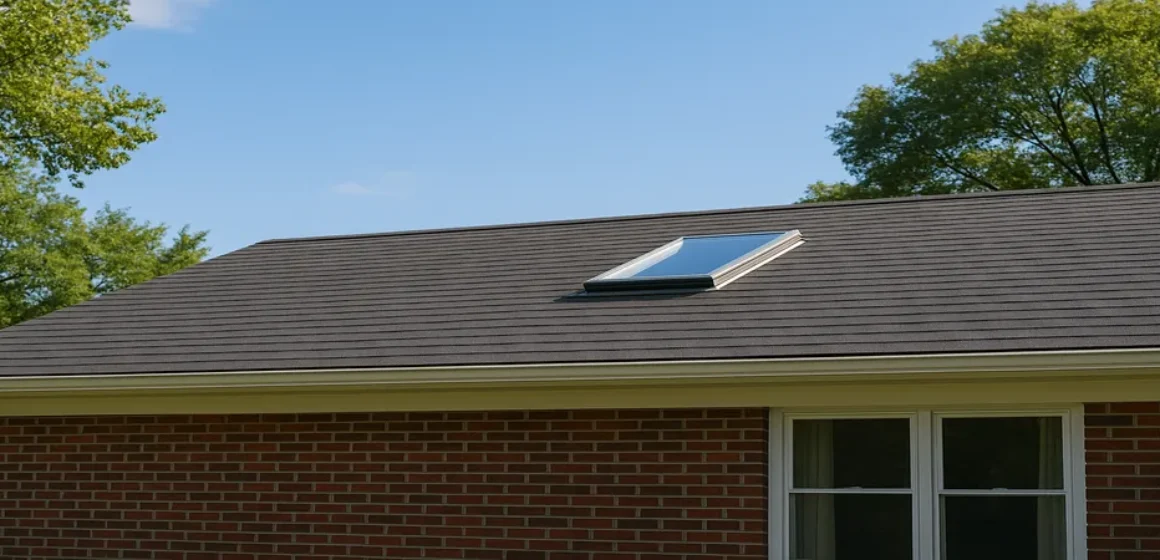
- Roofing material (corrugated iron, concrete tile, shingle, etc.)
- Rafter layout and spacing
- Existing insulation or ducting
- Access from ceiling to roofline
Tip: Flat roofs often suit dome or pyramid skylights. Steeper pitches give more flexibility for fixed or vented types.
2. Choose the Right Skylight Type for Your Roof
Not all skylights require major structural changes. In fact:
- Tubular skylights can bend around trusses and fit between rafters — no framing needed.
- Fixed flat skylights can often be installed between structural elements.
- Custom flashings allow the unit to integrate seamlessly with your roofing material.
The key: Let the roof structure dictate the skylight, not the other way around.
3. Flashing & Sealing: The Silent Heroes
This is where roof integrity is protected — or lost.
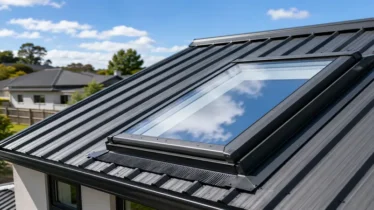
Flashing is the material that surrounds the skylight and channels water away. A properly installed flashing kit:
- Matches your roofing profile
- Is sealed in layers (underlay, apron flashing, side and top flashing)
- Has no exposed screw points where water can sneak in
Red flag: If someone installs a skylight without a dedicated flashing kit — stop them immediately.
4. What Does a Quality Installation Look Like?
A reputable installer will:
- Do a full roof assessment before installation
- Use branded, tested flashing kits for your roof type
- Ensure water runoff is directed away from the skylight
- Check for condensation control and ventilation needs
- Take photos of every stage — especially the flashing
Bonus Tip: Ask for before-and-after install shots for your records. It’s smart and protects your home value.
5. Retrofitting? It’s All About Precision
Adding a skylight to an existing roof is 100% doable — but it requires more planning than a new build.
- Locate all trusses and cross-bracing before cutting
- Be mindful of ceiling insulation and attic access
- For tiled roofs, extra care is needed to lift and reposition tiles safely
Smart Move: Choose an installer who specialises in retrofits, not just new construction.
Thinking of Retrofitting a Skylight?
Our team works with trusted installers who handle this every week.
Request a Free Quote
6. Will It Affect My Roof Warranty?
Not if done right.
Most roofing manufacturers in NZ allow penetrations like skylights if installed by qualified professionals using approved materials.
Important: Always check your original roof warranty. In some cases, the skylight installer will issue their own warranty to cover their work — offering peace of mind.
7. Maintain It, Protect It
Once your skylight is in, it’s low maintenance — but don’t forget about it completely.
- Keep gutters around it clear
- Clean the glass or dome every 6–12 months
- Have it checked after major storms or if re-roofing
A well-installed skylight should last 20+ years without affecting the performance of your roof.
Final Thoughts
Skylights don’t have to be risky — just smart.
With the right product, proper flashing, and a qualified installer, you can bring light into your home without compromising what protects it.
Ready to Explore Your Options?
We’ll connect you with a local installer who gets it right the first time.
Get a Free Quote Today