Meeting Energy Standards: Skylights and Compliance
Meeting Energy Standards: Skylights and Compliance
In New Zealand, ensuring your home or commercial building meets strict energy standards is no longer just an option — it’s a requirement that protects your wallet, your comfort, and the environment. Skylights can play a surprising role in this, but only if they’re selected and installed with compliance in mind.
Here’s what you need to know to stay efficient and meet the standards with confidence.
Why Energy Standards Matter
Energy performance standards, such as those outlined in the NZ Building Code, ensure buildings use less energy for heating and cooling. This means:
- Lower energy bills for property owners and tenants.
- Comfortable indoor temperatures year-round.
- Reduced carbon footprint for a greener future.
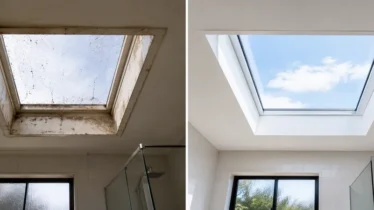
If your skylights are outdated or poorly installed, they can become a source of heat loss or unwanted heat gain, making compliance and cost control harder.
Understanding U-Values and SHGC
Two terms are worth getting familiar with:
U-Value: This measures how well a skylight prevents heat from escaping. A lower U-Value means better insulation and better energy performance. Think of it as the warmth-keeper.
SHGC (Solar Heat Gain Coefficient): This tells you how much solar heat passes through the skylight. A lower SHGC helps limit overheating, especially in sunny spots.
Plainly put: Low U-Value = keeps warmth in during winter. Low SHGC = stops too much sun heat in summer.
How Modern Skylights Support Compliance
Today’s skylights are a world apart from old single-glazed models. High-quality products often include:
- Double glazing with insulated glass units (IGUs).
- Low-E coatings that reflect heat.
- UV filters that protect interiors without sacrificing natural light.
- Better seals and frames that reduce air leaks.
Together, these features help buildings meet the required energy performance standards, reducing reliance on artificial heating and cooling.
Compliance Tips for NZ Homeowners and Businesses
Choose Products that Meet NZ Standards:
Always check that your skylight’s specifications align with the NZ Building Code requirements. Work with reputable suppliers who understand local conditions.
Get Professional Installation:
Even the best skylight won’t perform well if installed poorly. A certified installer ensures airtight fitting and correct flashing.
Consider Placement:
Position skylights to maximise natural light without causing overheating. Shading or blinds can help manage heat gain in summer.
Plan for Council Approval:
Some skylight projects may require building consent. It’s essential to confirm this early and ensure your installer is aware of local council rules.
Illustrative Example Only
A Christchurch office retrofitted old skylights with new double-glazed units featuring low-E glass. The upgrade reduced their heating costs in winter and eliminated summer hot spots, helping the building meet its energy audit targets.
Final Thoughts
Upgrading or installing skylights shouldn’t compromise your building’s energy performance — it should improve it. By understanding key performance measures and choosing compliant products, you’ll enjoy natural daylight while staying efficient, comfortable, and compliant with NZ standards.
Need Skylight Advice You Can Trust?
Our team can help you select and install skylights that tick every compliance box — while making your space brighter and more beautiful.