How to Spot Skylight Damage Early
How to Spot Skylight Damage Early
Skylights add a beautiful stream of natural light to any home or building, but like any feature exposed to the weather, they need attention. Even a small issue — a loose seal, tiny crack, or unnoticed leak — can quietly cause major damage if left unchecked.
The good news? Spotting problems early is simple if you know what to look for.
Why Early Detection Matters
Ignoring a minor skylight problem can lead to:
- Water damage to ceilings, walls, or insulation.
- Mould growth in hidden areas.
- Higher energy bills due to poor insulation.
- Expensive repairs down the line.
A quick check a few times a year can save thousands in repairs and help your skylight last longer.
Common Signs of Skylight Damage
Here’s what to keep an eye out for — inside and outside:
1️⃣ Interior Clues
Sometimes the first sign appears inside your home or office:
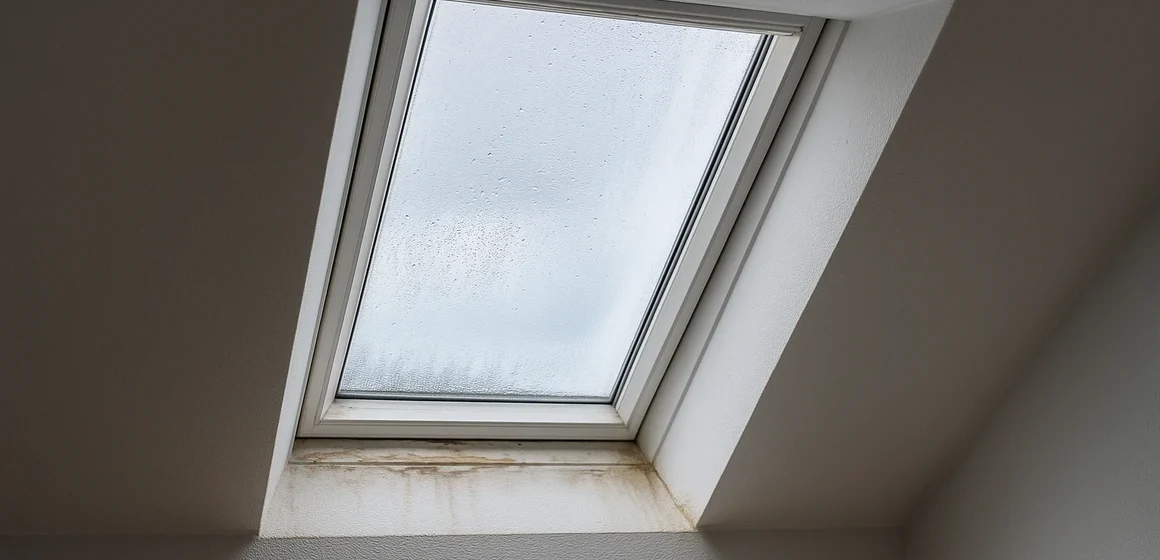
- Water Stains or Damp Spots: Look for discolouration around the skylight frame, ceiling, or walls below the skylight.
- Peeling Paint or Plaster: Moisture can lift paint or crack plaster around the frame.
- Condensation: Frequent fogging between glazing layers can signal seal failure.
- Drafts: If you feel a cold draft near the skylight, it might be leaking air.
2️⃣ Exterior Red Flags
If it’s safe, a visual check from the roof or from the ground with binoculars helps spot trouble:
- Cracks or Chips in the Glazing: Even small cracks can widen over time with weather changes.
- Damaged Flashing: Flashing keeps water out; look for rust, bent metal, or gaps.
- Debris Build-Up: Leaves and dirt around the frame can trap moisture and cause leaks.
Illustrative Example Only:
A homeowner in Tauranga noticed paint peeling near their living room skylight. On inspection, a small cracked seal was letting water in during heavy rain. A quick reseal prevented a bigger, more expensive ceiling repair.
3️⃣ Listen to the Weather
Be extra watchful after storms or heavy wind — these can loosen flashing or damage glazing. If you hear unusual rattling or see drips, check promptly.
How to Check Safely
- Inspect from inside first — look for stains, condensation, or drafts.
- For exterior checks, use binoculars if you can’t safely access the roof.
- Always hire a professional for roof inspections if you’re unsure — safety first.
Final Thoughts
A quick check every season helps catch skylight damage before it gets serious. Early repairs are cheaper, faster, and keep your home dry and energy-efficient.
Need a Skylight Health Check?
Our experienced installers can assess, repair, or replace your skylight to keep your home protected.