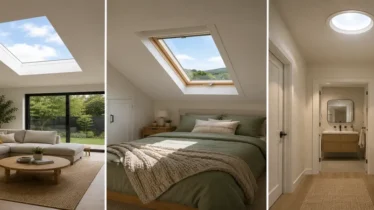
Adding Roof Windows for Ventilation: What to Know Before You Cut the Roof
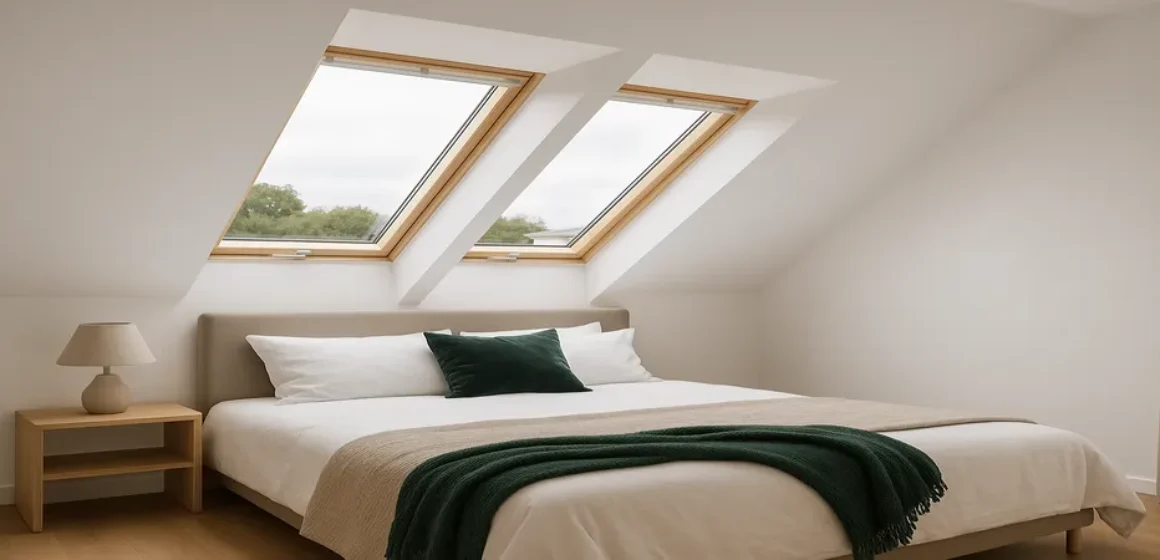
Ventilation is a silent hero in home design. It keeps indoor air fresh, regulates humidity, and balances temperature, especially in upper-storey rooms that trap heat. One of the most effective and elegant ways to improve ventilation? Roof windows.
But before you grab a saw and start opening the roofline, here’s what every homeowner or builder should know.
Why Choose Roof Windows for Ventilation?
Roof windows do more than bring in light. They offer:
- High-level airflow: Warm air rises and escapes efficiently through roof openings
- Cross ventilation: Pair with lower wall or window vents for full air exchange
- Passive cooling: Reduces reliance on air conditioning in summer
For homes with limited vertical wall space, such as lofts, attics, or gable-end rooms, roof windows are often the most practical solution.
What to Consider Before Installation
1. Roof Pitch & Structure
Not all roofs are created equal. Roof windows require:
- A sufficient pitch (typically 15° or more)
- Structural framing support (consult a builder or engineer)
- Weatherproofing that suits your roofing material (metal, tile, membrane)
Installing in flat or low-pitched roofs may require alternative skylight types.
2. Location & Orientation
For optimal ventilation:
- Install roof windows higher on the slope to draw hot air upwards
- Pair with lower vents or windows to enable airflow cycling
- Consider prevailing winds in your location
In places like Wellington, for instance, roof window placement must factor in wind exposure and rain resistance.
3. Venting Mechanism
Roof windows come in different styles:
- Manual openers with handles or poles
- Electric or solar-powered venting for hard-to-reach spots
- Rain sensors and remote control for convenience and protection
Consider how often you’ll open the window and who will operate it.
4. Climate & Energy Performance
Ventilation shouldn’t come at the cost of comfort. Choose windows with:
- Double glazing and low-E coatings for year-round thermal control
- Weather seals and compliant flashing kits
- Insect screens or integrated blinds where needed
For more details, see our guide on U-Values, SHGC & Glazing.
Common Mistakes to Avoid
- Skipping consent: Depending on your location and the extent of structural change, you may need building consent.
- Poor flashing: Incorrect sealing leads to leaks and rot. Always use certified flashing systems.
- Overlooking condensation control: Ventilation helps, but proper placement and insulation are key.
Illustrative Example Only:
In a bungalow extension in Riccarton, a pair of vented roof windows were added above the kitchen. Paired with lower sliding doors, they now provide a natural chimney effect, keeping the space cool even in peak summer. No mechanical fans required.
Final Thoughts: Smart Ventilation Starts With Smart Design
Roof windows can be a powerful tool for passive ventilation, but only if installed correctly. From structural planning to energy performance, every detail matters.
Whether you’re renovating or building new, take the time to plan well, choose high-performance units, and work with qualified professionals.
Want expert guidance on roof window options? Submit your project and we’ll connect you with a trusted installer in your area.