Bright Ideas: How Natural Light Impacts Mood, Productivity and Sleep
We all know sunlight feels good, but did you know it also helps you sleep better, focus more easily, and regulate your mood?
Natural light isn’t just about aesthetics. It has measurable effects on our physical and mental wellbeing. And in homes where daylight is limited, smart daylighting solutions like skylights or roof windows can help restore what’s missing.
Here’s a closer look at the science behind natural light and how to harness it in everyday life.
1. Natural Light and Mood Regulation
Exposure to daylight plays a crucial role in regulating serotonin levels — the brain chemical that helps stabilise mood, reduce anxiety, and support feelings of wellbeing.
Lack of natural light, especially in winter months or darker rooms, can contribute to low mood and symptoms similar to Seasonal Affective Disorder (SAD).
How to Support Mood with Light:
- Prioritise daylight in living rooms and kitchens
- Install skylights in areas without external windows
- Use diffused light (via sun tubes or roof windows) to soften harsh shadows
2. Productivity and Cognitive Performance
Daylight affects more than mood. Studies show people working or studying in naturally lit environments experience:
- Improved concentration and alertness
- Higher test scores and task performance
- Reduced mental fatigue
Work-from-home setups or kids’ homework spaces can benefit significantly from daylight access.
Illustrative Example Only: A couple renovating their Mt Pleasant home added a skylight above the home office. The result? A calm, energised workspace that made long hours at the desk noticeably more bearable.
3. Sleep Quality and Circadian Rhythm
Our bodies run on a natural 24-hour cycle known as the circadian rhythm, regulated by exposure to light. Morning sunlight tells our brain to wake up. Diminishing light in the evening helps trigger melatonin production, preparing us for sleep.
Artificial light disrupts this process, but natural light supports it.
What Helps:
- Morning light exposure (e.g. skylights in the bedroom or kitchen)
- Reducing reliance on overhead artificial lighting during the day
- Balancing light levels in winter months
4. Skylights: Restoring What Nature Intended
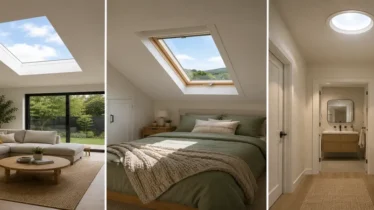
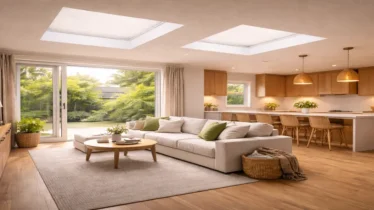
Skylights and roof windows offer a smart solution for homes with limited wall space or poor orientation.
- Bring in overhead daylight where vertical windows can’t
- Distribute light more evenly across the room
- Create a calmer, more uplifting indoor atmosphere
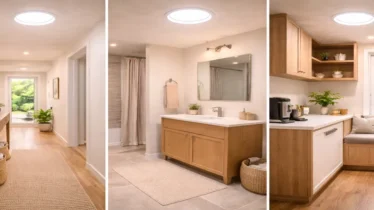
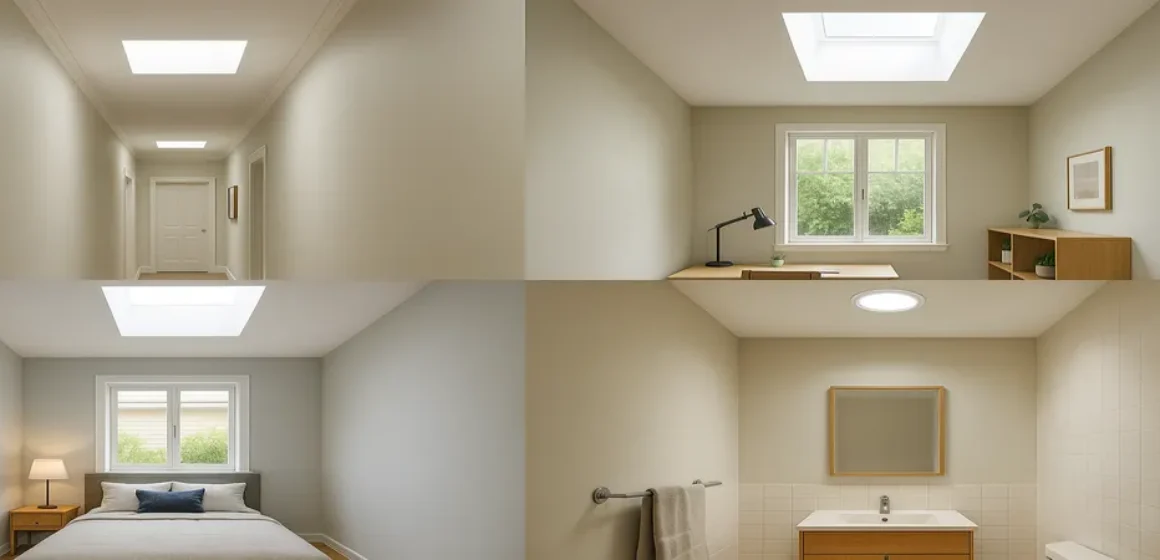
Even a small skylight in a hallway, stairwell, or bathroom can help reconnect your indoor environment with the natural cycle of light.
Final Thoughts: Let Light Do the Heavy Lifting
Natural light is one of the most powerful and underused wellbeing tools in residential design. It’s free, it’s renewable, and it improves everything from mood to sleep.
If your home feels dim or disconnected from the outdoors, adding a skylight might be more than a design upgrade — it could be a lifestyle shift.
Want to explore natural lighting options for your home? Get started here and we’ll connect you with a trusted local expert.