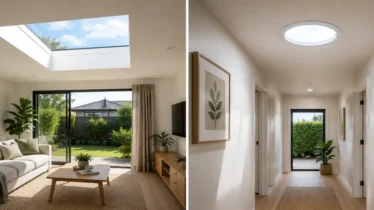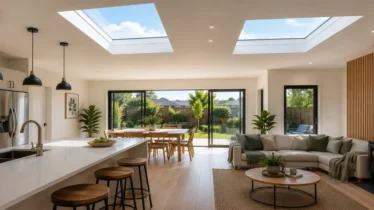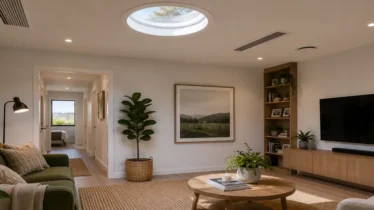
What a skylight can and cannot do for winter warmth: an honest homeowner guide
Winter makes homeowners ask more direct questions.
Will a skylight make the room warmer?
Will it make the home colder at night?
Will more sunlight help during the day?
Will a bathroom, hallway or kitchen feel better, or will it simply become a brighter cold room?
These are fair questions. A skylight changes the way a room receives daylight, and in some cases it can influence how a room feels. But it is not a heater, it is not insulation, and it should not be sold as a simple winter warmth solution.
The honest answer is more useful.
A well-chosen skylight can improve the feeling of a room by bringing in natural light, reducing the sense of gloom, and making certain spaces more usable during the day. In some rooms and conditions, sunlight may add a sense of warmth. But actual winter comfort depends on much more than daylight. Heating, insulation, glazing, ventilation, moisture, roof design, room use and installation quality all matter.
This guide explains skylight winter warmth in plain English, so New Zealand homeowners can understand what to expect before booking.
The key distinction: warmth and daylight are connected, but not the same
A room can feel warmer when it is brighter.
That does not always mean the air temperature has changed significantly. Natural light can affect how a room feels emotionally and visually. A dark room may feel cold even when the temperature is similar to another part of the home. A brighter room can feel more welcoming, more open and less shut down.
This matters in winter because many homes feel gloomy before they feel technically uncomfortable.
But daylight and heating are different things.
- Daylight helps a room feel more usable and alive.
- Heating raises the room temperature.
- Insulation helps retain warmth.
- Ventilation helps manage moisture and air quality.
- Glazing performance affects heat loss and heat gain.
- Installation quality protects the home from weather and draught issues.
A skylight can contribute to the daylight part of the equation. It may also bring solar gain in some conditions. But it should be considered as one part of the room’s comfort picture, not the whole solution.
What a skylight can do in winter
It can make a dark room feel less cold and closed in
A dark internal hallway, bathroom, kitchen or spare room can feel cold because it lacks daylight. Even if the temperature is not dramatically different, the space may feel less inviting.
A skylight or sky tube can bring natural light into that room and change the way people experience it.
This is often the most noticeable winter benefit.
The room may feel more open. It may feel cleaner. It may feel less forgotten. People may use it more comfortably during the day.
It can reduce reliance on artificial lighting during daylight hours
In suitable rooms, a skylight or sky tube can reduce the need to switch on artificial lights during the day.
This is especially relevant for:
- Hallways
- Kitchens
- Bathrooms
- Laundries
- Home offices
- Internal rooms
- Stairwells and landings
The effect depends on room layout, roof position, product type, weather and how the room is used.
It can help winter routines feel easier
A naturally lit kitchen at breakfast, a brighter bathroom in the morning or a hallway that no longer needs lights on at midday can make daily routines feel less heavy.
This is not a technical warmth claim. It is a lived experience claim.
In winter, that lived experience matters.
It can bring useful sunlight in some locations
Depending on roof orientation, skylight placement, glazing, weather and sun path, a skylight may bring direct or diffused sunlight into a room at certain times.
That sunlight can make the room feel more pleasant and may contribute some warmth during the day.
However, this should be treated as a possible benefit, not a guaranteed heating strategy.
It can support better room planning during renovations
When a room is being renovated, adding daylight early in the design process can help create a more comfortable overall result. Skylight placement can be considered alongside lighting, heating, ventilation, insulation, ceiling finishes and room layout.
This is often where skylights perform best: not as a standalone winter fix, but as part of a considered room upgrade.
What a skylight cannot do
It cannot replace heating
A skylight is not a heater.
If a room is genuinely cold, the solution may involve heating, insulation, draught control, window performance or other building improvements.
A skylight may make the room feel better during daylight hours, but it should not be relied on to heat the room in winter.
It cannot replace insulation
Insulation helps slow heat loss through ceilings, walls and floors. A skylight does not replace ceiling insulation.
In fact, because a skylight is part of the roof and ceiling area, the surrounding installation must be carefully detailed so the room remains comfortable and the building envelope performs properly.
It cannot solve condensation on its own
A skylight can improve daylight, and a vented skylight may support airflow in suitable rooms. But condensation is usually connected to moisture, temperature, ventilation and surface conditions.
Bathrooms, laundries and bedrooms often need a broader moisture-management approach.
It cannot make every room warmer simply by adding glass
More daylight does not automatically mean more warmth.
The result depends on orientation, glazing, product type, room size, roof pitch, weather, shading and household use.
A poorly chosen or poorly installed skylight could create comfort issues. A well-chosen skylight should balance daylight, weathertightness, thermal performance and room use.
It cannot fix a poorly performing roof or ceiling
If the roof has leaks, damage, poor pitch, existing moisture issues or structural concerns, those must be addressed properly.
A skylight should be installed into a suitable roof system, not used to disguise a building problem.
Why a dark room often feels colder than it is
People do not experience rooms only through temperature.
A room can feel cold because it is shadowed, closed in, damp, stale or disconnected from natural light. In winter, this feeling becomes stronger because days are shorter and homes are used differently.
A dark hallway can make the home feel less welcoming. A dull bathroom can feel less fresh. A kitchen without morning daylight can make the start of the day feel heavier. A spare room can become a storage room because nobody enjoys being there.
This is why homeowners sometimes describe a daylight problem as a warmth problem.
They might say:
“This room always feels cold.”
When the deeper issue may be:
- It receives very little daylight
- It is rarely used because it feels uninviting
- It has poor air movement
- It is shaded by the home’s layout
- It relies on artificial lighting during the day
- It feels damp or closed in
A skylight may help if daylight is a major part of that feeling. But if the room is genuinely cold, other improvements may also be needed.
The winter comfort checklist
Before deciding whether a skylight will help, review the room through five lenses.
1. Daylight
Ask:
- Does the room need artificial lighting during the day?
- Is it darker in winter?
- Does light reach the area where people actually use the room?
- Is the room internal or shaded?
If daylight is the main weakness, a skylight or sky tube may be worth exploring.
2. Temperature
Ask:
- Is the room actually colder than other rooms?
- Does it lose heat quickly?
- Is there heating in the room?
- Are floors, walls or windows noticeably cold?
If temperature is the main issue, heating and insulation may need attention.
3. Moisture
Ask:
- Is there condensation on windows or mirrors?
- Does the room smell damp or musty?
- Is there mould, staining or peeling paint?
- Does moisture linger after showers, cooking or drying clothes?
If moisture is present, ventilation and moisture control matter.
4. Air movement
Ask:
- Does the room feel stale?
- Can air move through the room?
- Is there a working extractor where needed?
- Would a vented skylight support airflow, or is another ventilation solution more appropriate?
Airflow and daylight should be considered separately.
5. Room use
Ask:
- Is the room used daily?
- Do people avoid it in winter?
- Would daylight change how the room is used?
- Is this the best room to improve first?
The best skylight opportunity is usually where daylight improves daily life, not just appearance.
How different skylight types relate to winter comfort
Fixed skylights
A fixed skylight brings natural light into a room but does not open.
It may suit kitchens, living areas, bedrooms, home offices and larger bathrooms where the main goal is daylight and a stronger sense of openness.
For winter comfort, the key considerations include placement, glazing, roof orientation, room use, blinds if needed, and overall thermal performance.
A fixed skylight can make a room feel more open and pleasant during the day, but it should not be treated as a heating device.
Vented skylights
A vented skylight brings daylight and can open for airflow.
It may suit bathrooms, kitchens and upper-level rooms where warm or moist air gathers. In winter, this can be useful in rooms that need both light and ventilation considered.
However, a vented skylight needs sensible use. Opening it at the wrong time can release heat as well as moisture. It should be part of a broader comfort and ventilation strategy.
Tubular skylights or sky tubes
A sky tube brings daylight through a reflective tube to a ceiling diffuser.
It is often suited to hallways, laundries, toilets, wardrobes and other internal rooms where the goal is practical daylight.
A sky tube can make these rooms feel less gloomy and less dependent on artificial lighting. It does not provide ventilation and should not be expected to change room temperature significantly.
Glazing and product performance matter
Not all skylights perform the same way.
Glazing, frame design, seals, installation quality and accessories all influence how a skylight behaves in different seasons. Some products are designed to reduce heat loss, manage solar gain or improve overall thermal performance compared with older or lower-performing units.
Homeowners do not need to become glazing experts, but they should ask practical questions:
- Is the skylight suitable for my roof and room?
- What glazing is used?
- How does the product manage heat loss and heat gain?
- Are blinds available or recommended?
- Is this product suitable for the room’s winter and summer conditions?
- Does the roof pitch suit the product and flashing?
A skylight should be selected for year-round performance, not just winter daylight.
Why installation quality affects comfort
A well-performing skylight depends on more than the product.
Installation quality affects:
- Weathertightness
- Flashing performance
- Internal finishing
- Draught control
- Insulation around the opening
- Light well detailing
- Moisture management
- Long-term durability
A skylight that is poorly installed can create problems regardless of product quality. A properly installed skylight should integrate with the roof, ceiling and room in a way that supports comfort and building performance.
This is especially important in winter, when rain, wind, temperature changes and indoor moisture are more noticeable.
Winter warmth and summer comfort must be planned together
It is easy to focus only on winter when the room feels dark and cold.
But a skylight is a year-round feature.
The same skylight that brings welcome daylight in winter may need careful planning to avoid glare or unwanted heat in summer. Orientation, size, glazing, blinds, shading and placement all matter.
A good recommendation should balance both seasons.
Ask:
- Will this skylight improve winter daylight?
- Could it create too much glare in summer?
- Would blinds be useful?
- Is the placement suitable for the room’s main use?
- Is the product appropriate for local climate conditions?
The best skylight is not the one that solves one season while creating a problem in another.
It is the one that makes the room work better across the year.
Local NZ factors that influence winter comfort
New Zealand homes experience winter differently depending on region, climate and building style.
In Auckland, Northland and Bay of Plenty, humidity and shaded interiors can make rooms feel damp or closed in. In Wellington and coastal regions, wind exposure and weather conditions can influence installation planning and ventilation habits. In Canterbury, Otago and Southland, colder mornings and low winter sun can make darker rooms feel especially uninviting. In rural homes, long floor plans may leave central rooms far from natural light.
The age of the home also matters.
Older villas and bungalows may have central hallways, smaller windows and altered layouts. Mid-century homes may have compact bathrooms and laundries. Newer homes may have open-plan living but still include internal pantries, ensuites, wardrobes and dark corridors.
A skylight recommendation should consider both the local climate and the way the home is built.
Illustrative example only
A homeowner describes a hallway as “cold” during winter. The hallway has no window, sits in the middle of the home and needs the light switched on during the day. The bedrooms and living area are reasonably comfortable, but the hallway feels dull and disconnected.
In this case, a sky tube may help the hallway feel more open and less gloomy. It may reduce daytime lighting use and improve the way the home feels through the centre.
But if the hallway is also physically cold because of poor insulation, draughts or heating gaps, the sky tube will not solve those issues.
The right conclusion is balanced:
Better daylight may improve how the hallway feels. Actual warmth depends on the wider building conditions.
That is the honest answer homeowners deserve.
When a skylight may be a poor winter comfort choice
A skylight may not be the right first step if:
- The roof has unresolved leaks or damage
- The room has serious dampness or mould issues that need investigation
- The main problem is lack of heating
- The ceiling or roof is poorly insulated and needs attention first
- The product does not suit the roof pitch
- The placement would create glare without solving the main issue
- The room is rarely used during daylight hours
- The homeowner expects the skylight to replace heating
In these cases, skylight advice may still be useful, but the recommendation should be honest.
Sometimes the best answer is to address the building issue first and plan daylight second.
When a skylight may be a strong winter upgrade
A skylight or sky tube may be worth considering if:
- The room feels dark and underused in winter
- Daytime lights are used frequently
- The room is used often
- The roof and ceiling layout are suitable
- The goal is better daylight, not a heating replacement
- Ventilation needs are understood separately
- The product can be selected for year-round comfort
- Installation can be completed with proper flashing and detailing
This is the right kind of expectation.
A skylight can be a powerful daylight improvement when chosen for the right reason.
Questions to ask before booking
Before approving a skylight for winter comfort, ask:
- Is the room mainly dark, cold, damp or all three?
- Will this skylight improve daylight where the room needs it most?
- Is a fixed skylight, vented skylight or sky tube more suitable?
- What glazing or diffuser option is being proposed?
- How will winter heat loss and summer comfort be considered?
- Does the product suit the roof pitch and roof type?
- Will blinds or accessories be useful?
- Is ventilation needed separately?
- Is the internal finish included?
- Are there roof or ceiling issues that should be addressed first?
These questions help shift the conversation from hope to clarity.
The honest winter takeaway
A skylight can improve winter living, but not by pretending to be something it is not.
It can bring daylight into dark rooms. It can make daily routines feel easier. It can reduce the sense of gloom in hallways, kitchens, bathrooms and internal spaces. It can make a room feel more open and usable during the day.
It cannot replace heating. It cannot replace insulation. It cannot solve condensation by itself. It cannot guarantee a warmer room in every condition.
That honesty does not weaken the case for skylights.
It strengthens it.
Because when a homeowner understands what a skylight can genuinely do, they are more likely to choose the right product, in the right room, for the right reason.
Planning your next step
If winter has made a dark room feel colder, flatter or less usable, it may be worth finding out whether better daylight could help.
Skylights.co.nz can help you explore whether a fixed skylight, vented skylight or tubular skylight may suit your room, roof type and comfort goals.
To start planning your options, use the Skylights.co.nz enquiry form:
https://inquiry.skylights.co.nz/inquiry
You may also find these useful:
FAQs
Will a skylight make my room warmer in winter?
A skylight can make a room feel brighter and more pleasant, and in some conditions sunlight may contribute to the feeling of warmth. However, a skylight is not a heater and should not be relied on to warm a room by itself.
Can a skylight make a home colder at night?
Any opening in the roof and ceiling needs to be selected and installed carefully to support comfort and performance. Product quality, glazing, placement, blinds, installation detailing and the surrounding insulation all matter.
Is a skylight a good idea for a cold, dark room?
It depends on why the room feels cold and dark. If poor daylight is a major issue, a skylight or sky tube may help the room feel more usable. If the room is genuinely cold because of heating, draughts or insulation problems, those issues may also need attention.
Can a skylight help with winter condensation?
A skylight can improve daylight, and a vented skylight may support airflow in suitable rooms. However, condensation usually involves moisture, temperature, ventilation and surface conditions, so it often needs a broader approach.
What type of skylight is best for winter comfort?
There is no single best type. Fixed skylights suit rooms needing natural light, vented skylights may suit rooms needing light and airflow, and sky tubes suit smaller or internal spaces needing practical daylight. The best choice depends on the room and roof.
Should I choose a skylight for winter or year-round comfort?
A skylight should be chosen for year-round performance. Winter daylight matters, but summer glare, heat, ventilation, blinds, roof orientation and room use should also be considered before booking.