Sustainable Skylights for Clyde’s Modern Renovations
Morning light filters through the scaffolding of a Clyde home — a mix of schist, steel, and timber. The owners wanted more than a brighter space; they wanted a house that breathes naturally.
That’s the essence of sustainability in Central Otago — designing homes that live lightly while embracing the abundant light around them. Skylights, when chosen with precision, make that possible. They don’t just illuminate; they reduce energy use, encourage airflow, and connect living spaces with the natural rhythms outside.
The new heritage
In Clyde, sustainability isn’t about newness — it’s about continuity. Many modern renovations weave contemporary design into heritage foundations, transforming old cottages into energy-smart homes that respect history.
Why skylights matter here:
Older homes were built for durability, not daylight. Integrating sustainable skylights allows homeowners to preserve heritage textures while introducing natural light — cutting down on artificial lighting and improving comfort year-round.
Design reflection: “Sustainable light is invisible — it feels natural, balanced, and in tune with the home’s original character.”
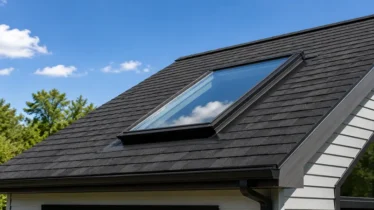
Local note: Many Clyde renovators now use skylights with Low-E or solar-control glazing that reflect unwanted heat while maintaining clarity, helping homes perform better across seasons.
Light as energy
Every beam of sunlight carries energy. Sustainable skylight design is about harnessing that energy smartly — using it where it adds comfort, and controlling it where it could add strain.
Smart daylight strategies:
- Low-E double glazing reduces heat transfer, keeping homes cooler in summer and warmer in winter.
- Solar-powered vents release hot air naturally without electrical use.
- Thermally broken frames minimise heat loss through metal conductors.
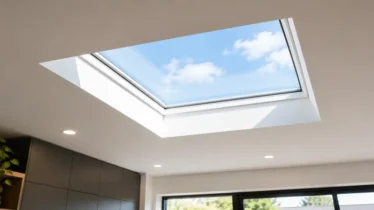
Energy insight: A well-positioned skylight can reduce lighting energy demand by up to 60%, especially in kitchens and living zones that rely on long daylight hours.
Analogy: Light becomes the quietest form of renewable energy — no switches, no noise, just nature at work.
Design that breathes
Modern Clyde homes are evolving from sealed boxes to living systems. Skylights play a crucial role in that transformation — restoring natural airflow and balance.
Ventilation innovations:
- Passive air shafts introduce consistent cross-ventilation.
- Solar vented skylights open automatically at temperature thresholds.
- Manual vents let homeowners control freshness at will.
Sustainability note: Reducing mechanical cooling doesn’t just save electricity — it extends building life and supports healthier air circulation indoors.
Architect’s note: “When a house exhales, it feels alive again.”
Materials that matter
Sustainability isn’t only about energy — it’s also about choosing materials that last. Modern skylights use recyclable aluminium frames and tempered glass designed for decades of performance.
Eco-conscious materials:
- Aluminium frames: 100% recyclable, corrosion-resistant.
- Tempered glass: Long lifespan, retains clarity, resists weathering.
- EPDM seals: Improve airtightness and reduce drafts.
For homes in Clyde’s dry, sunny environment, durability equals sustainability — less maintenance, less waste, more light.
A new relationship with light
Sustainability has redefined luxury in Clyde — it’s now measured in calm, comfort, and conscience.
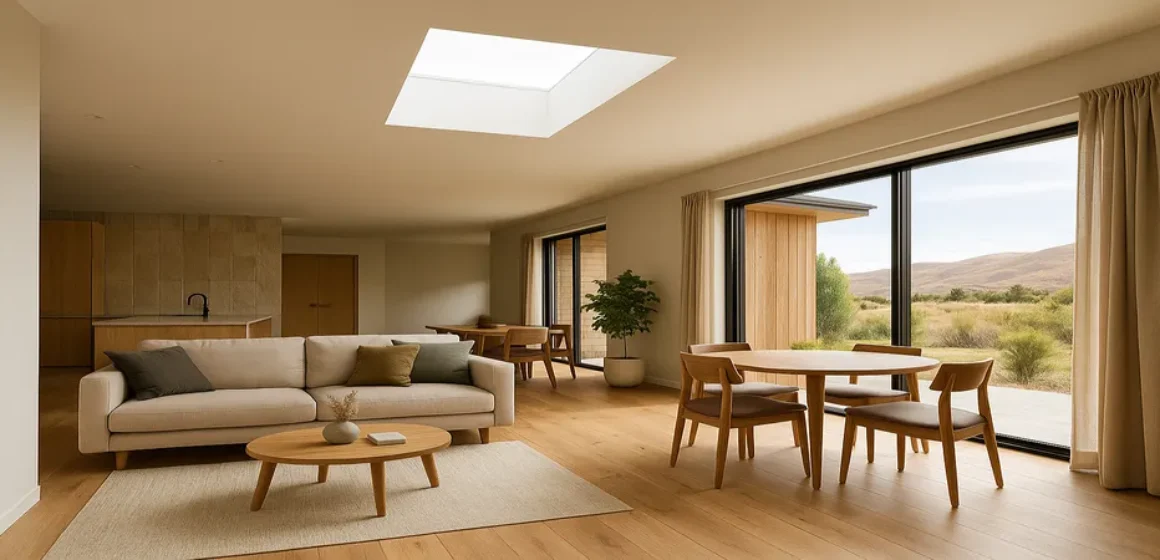
A well-placed skylight transforms a renovation not just visually but emotionally. It makes mornings brighter, air cleaner, and interiors more grounded in their surroundings.
Reflection: Sustainable design doesn’t compete with nature; it collaborates with it.
Light, handled with intelligence, becomes part of that quiet partnership.
Final thoughts
Clyde’s homes are moving towards a future where beauty, efficiency, and responsibility coexist. With sustainable skylights, that future feels brighter — naturally.
Explore sustainable skylight options and design a renovation that lives lightly and lasts beautifully.
FAQs
How do skylights improve sustainability in renovations?
They maximise natural light, reduce electricity use, and improve passive ventilation for better indoor comfort.
What makes a skylight energy-efficient?
Low-E glass, insulated frames, and solar-powered vents all contribute to lower heat transfer and energy use.
Can sustainable skylights be installed in older Clyde homes?
Yes. Retrofits can integrate into existing roofs with minimal disruption or visual impact.
Do eco-friendly skylights require maintenance?
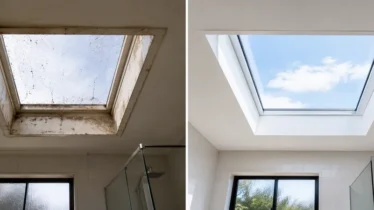
Very little. Regular cleaning and seal checks are usually sufficient.
Are sustainable skylights more expensive?
They cost slightly more upfront but provide long-term savings through lower energy bills and reduced cooling demand.