From Cottages to Cafés: Skylights in Clyde’s Evolving Spaces
Clyde isn’t standing still. Behind its preserved façades, light is reshaping how people live, work, and gather. Once defined by stone cottages and miners’ homes, the town now glows with reimagined spaces — cafés, galleries, studios, and boutique stays — each finding new ways to let the Central Otago sun in.
Natural light has become part of Clyde’s cultural language. Skylights, once a private residential feature, now define how the town feels from inside its most loved places.
Light as connection
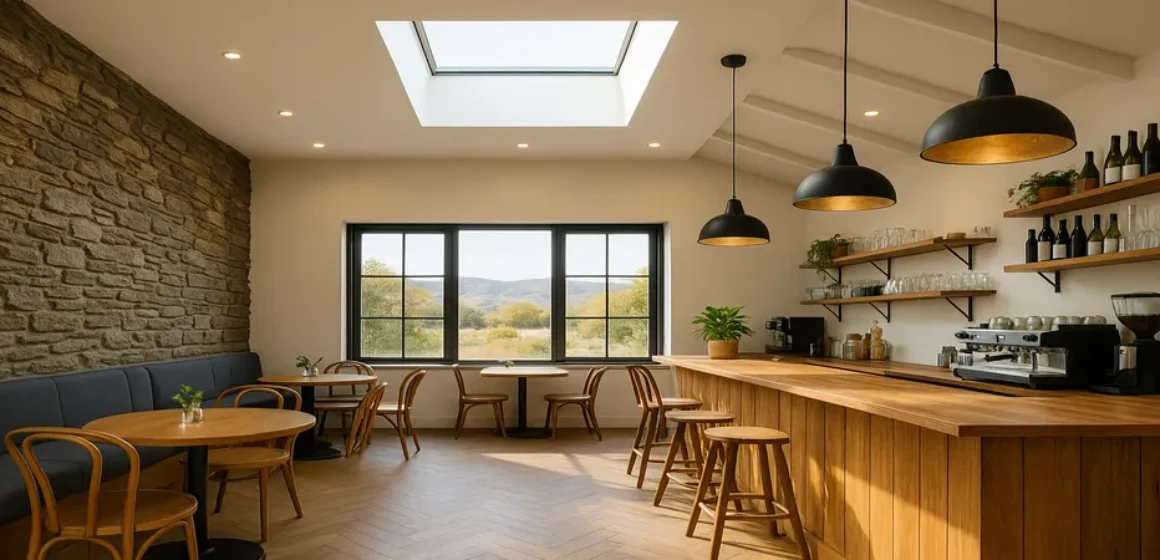
Walk down Sunderland Street and you’ll notice it — cafés where morning light spills through pitched roofs, bakeries glowing with soft daylight, small shops where even the walls seem to breathe.
Why light matters in public spaces:
- It encourages people to stay longer, talk slower, and feel welcome.
- It replaces the harshness of artificial lighting with natural rhythm.
- It connects interiors to Clyde’s distinct outdoor calm.
Design reflection: “Every café in Clyde tells the same story — one of sunlight, community, and care.”
The adaptive reuse movement
Clyde’s renovation culture celebrates reuse — of materials, spaces, and ideas. Skylights help bridge the old and the new without erasing either.
Adaptive design examples:
- Cottages to retail spaces: Tubular skylights brighten deep interiors without altering façades.
- Barn conversions: Large fixed skylights turn once-dark workshops into creative studios.
- Historic buildings: Flat glass designs preserve rooflines while adding modern efficiency.
Local note: Clyde’s planning ethos values authenticity. Low-profile skylights, matched flashings, and heritage-coloured finishes allow sunlight to enter quietly — never disrupting the visual rhythm of the town.
The sensory architecture of light
Clyde’s interiors are often tactile — stone, timber, lime plaster, clay, linen. Skylights give these textures life. In a café, light shifts across a table like time itself; in a gallery, it sharpens focus on form.
Design insight: Daylight creates emotional zoning. Morning brightness energises, afternoon softness relaxes. Skylights let these transitions flow naturally through the day.
Analogy: Light is the unseen host — setting the mood for every visitor who steps inside.
Sustainable hospitality
Beyond aesthetics, natural light supports Clyde’s commitment to low-impact living. Reducing artificial lighting in commercial and hospitality spaces means lower energy use — and a calmer visual atmosphere.
Sustainable skylight choices:
- Solar-vented skylights regulate temperature in kitchens and dining areas.
- Low-E glass minimises heat gain during summer afternoons.
- Smart blinds maintain comfort during peak hours.
Energy perspective: Even a small café can reduce its lighting energy use by up to 40% through skylight integration.
The community effect
Skylights have quietly changed how Clyde’s people experience their town. Local architects note that spaces with daylight feel more open, honest, and social.
Cultural shift:
- Heritage buildings once seen as impractical are finding second lives.
- Visitors experience Clyde’s sunlight as part of its hospitality.
- Locals rediscover pride in spaces that feel authentic yet alive.
Architect’s note: “Daylight has become the invisible link between history and progress in Clyde.”
Final thoughts
Clyde’s transformation isn’t loud — it’s luminous. From stone cottages to sunlit cafés, skylights are helping the town write its next chapter, one beam of light at a time.
Explore skylight solutions for heritage and commercial spaces and see how light can redefine your space with quiet brilliance.
FAQs
Can skylights be added to commercial buildings in Clyde?
Yes. Many cafés and studios use low-profile or tubular skylights that preserve heritage design while brightening interiors.
Do skylights reduce energy costs for small businesses?
Absolutely. Natural lighting lowers electricity use and improves ambience for customers.
Are skylights suitable for historic buildings?
Yes. With the right glazing and flashings, skylights can meet heritage requirements.
What’s the best skylight type for hospitality spaces?
Fixed or vented glass skylights offer balanced light and ventilation, ideal for kitchens and dining areas.
How do skylights improve wellbeing in shared spaces?
Natural light reduces eye strain, supports mood, and creates a welcoming environment for both staff and visitors.