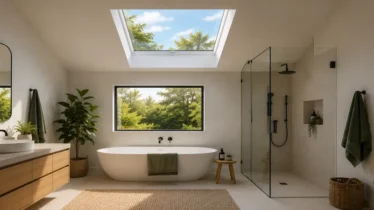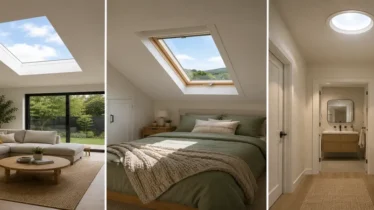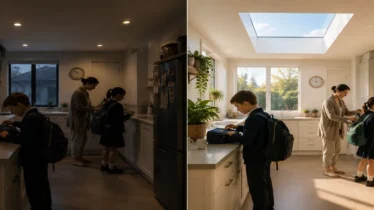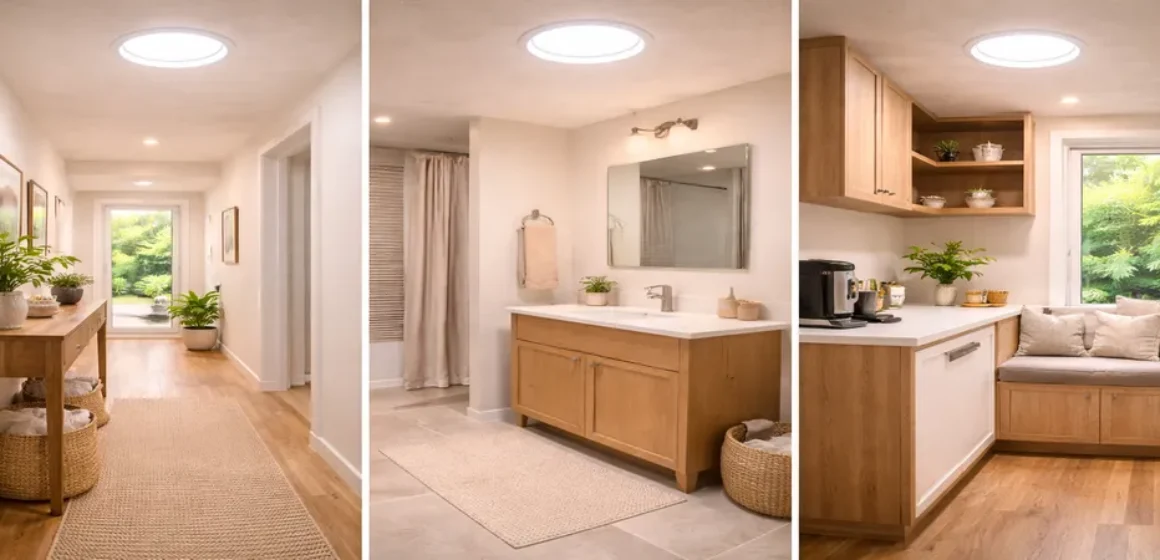
Small upgrades, big change: the 3 spaces that benefit most from top light
There’s a certain kind of home improvement that changes how the house feels without changing the whole house.
Not a renovation.
Not a new kitchen.
Just one upgrade in the right place.
In New Zealand homes, that often comes down to daylight.
Because many homes have good windows in the living room — and still have interior pockets that feel dim, tight, or slightly “stale” in daytime.
The trick is not adding skylights everywhere.
It’s choosing the rooms where top light makes a daily difference.
This guide answers a common question plainly: what are the best rooms for skylight NZ upgrades?
We’ll focus on three spaces where top light tends to deliver the biggest improvement in everyday living.
A quick way to choose the right room (before we list anything)
A skylight upgrade is most impactful when the room is:
- used daily (not just occasionally)
- naturally dim even on a bright day
- central or privacy-limited, where windows can’t do the job well
If a room already has strong daylight, top light may be more of a design feature than a functional upgrade.
That can still be valid.
But it’s a different decision.
1) Hallways and circulation spaces (the quiet game-changer)
Most people don’t think of hallways as “rooms”.
But they shape how the whole house feels.
A dark hallway creates a constant low-light baseline:
- you reach for switches at midday
- the home feels smaller
- and the interior feels heavier than the daylight outside
Top light works well here because hallways often:
- have no external wall
- are long and shaded
- sit in the centre of the home
A small skylight or tubular skylight can remove the “lights-on-at-noon” habit.
And because you walk through a hallway multiple times a day, the return is immediate.
Human note: a bright hallway doesn’t just look better — it makes the home feel calmer. It’s the difference between moving through a house and moving through a tunnel.
2) Bathrooms and ensuites (privacy + moisture behaviour)
Bathrooms are one of the best rooms for skylight NZ homeowners choose for practical reasons.
Two realities apply to many NZ bathrooms:
- Privacy limits mean windows are small, frosted, or kept shut.
- Moisture rises and gathers at ceiling level.
A skylight can add daylight without compromising privacy.
That daylight can support a fresher feel and, in the right conditions, support drying.
Important: it doesn’t replace extraction.
But paired with a ventilation-first plan, it can change how the bathroom behaves day-to-day.
Human note: Bathrooms are one of the few places where light changes mood instantly. A bright bathroom feels cleaner before you even start cleaning.
3) Kitchens (work zones, shadow pockets, and winter living)
Kitchens are where daylight becomes functional.
Not for atmosphere.
For clarity.
Many NZ kitchens have:
- a central island casting shadows
- deeper layouts with a dark work zone
- covered outdoor areas that block side light
- winter sun angles that don’t reach the bench
Top light can help by lifting shadowed zones, especially where task lighting is on all day.
A well-planned skylight can make the kitchen feel:
- clearer
- easier to work in
- and more pleasant through winter afternoons
If you have a kitchen page, link it here: [ADD LINK]
Human note: When kitchen light improves, people often say they cook more. Not because they have to — because the room feels easier to be in.
Rooms that can work, but aren’t always the best first pick
Depending on the home, these can be strong candidates — but they tend to be more case-by-case.
- Stairwells (great for vertical light spread)
- Laundry rooms (useful where they feel damp or enclosed)
- Walk-in wardrobes (for usability)
- Home offices (if glare is controlled)
The best “first skylight” rooms remain the three above because they deliver daily value across most NZ homes.
Common mistake: choosing the room you want to look good, not the room you live in
A skylight above a feature area can be beautiful.
But if you’re choosing your first skylight upgrade, the best return comes from:
- the space you walk through constantly
- the room you use in the morning and evening
- the zone that forces lights on during the day
That’s why hallways and bathrooms outperform “nice-to-have” rooms in most homes.
Illustrative example only: one small upgrade, the whole home felt brighter
A homeowner in Christchurch described their house as “fine, but dim inside”.
The living room had windows.
But the hallway and bathroom were dark, and lights were always on.
They didn’t try to brighten every room.
They chose one central zone first.
Once daylight entered the heart of the home from above, it felt like the house had more breathing space.
Not because it was a renovation.
Because the home finally had daylight in the places it had been missing.
A simple prioritisation checklist
If you want to choose confidently, answer these:
- Which room forces lights on in daytime?
- Which room feels gloomy even on a clear day?
- Which room is privacy-limited?
- Which space do you walk through most?
- Which area would benefit from “soft overhead daylight” rather than more downlights?
The room with the most yes answers is usually your best starting point.
A calm next step
If you tell us which rooms feel dim in your home and share a couple of photos, we can recommend the most effective top-light option and placement — often starting with hallways, bathrooms, or kitchens — so your upgrade delivers a real daily difference, not just a nice idea.
Start here: https://inquiry.skylights.co.nz/inquiry