Late-summer allergies and dust: how daylighting choices affect how “fresh” a room feels
Late summer in Auckland can be a bit deceptive.
Outside looks clear. Inside, a room can feel slightly stale by mid afternoon. You wipe a surface and the cloth comes away dusty. You open a window for “fresh air” and suddenly the sneezing starts. It is not always dramatic. It is just that subtle feeling of heaviness that makes a home feel less comfortable than it should.
If you are dealing with allergies or dust sensitivity, daylighting is not a medical cure, but it does influence something very real:
How fresh a room feels, and how easy it is to keep it feeling that way.
This guide explains the practical link between daylight, dust, ventilation choices, and comfort in Auckland’s late-summer conditions, without hype and without overclaims.
Freshness is not one thing. It is a mix of four signals
When people say a room feels “fresh”, they are usually responding to:
- Air movement
Still air feels stale, even if it is not hot. - Humidity and drying speed
Rooms that stay slightly damp feel heavy. - Light quality
Dim rooms feel older and “closed in”, even when clean. - Cleanliness visibility
If you cannot see dust, you do not clean it as often. Daylight changes behaviour.
A skylight can influence 2, 3, and 4 strongly, and in some cases supports 1 when paired with the right ventilation plan.
The honest daylight and dust truth: better light makes dust more obvious
This is a good thing, even if it sounds annoying.
Overhead daylight reveals:
- dust on shelves and skirting
- haze on glass
- lint on floors
- corner build-up that artificial light hides
That visibility effect often changes how a home is maintained. People clean more precisely when they can see what is actually happening.
A simple reflection line that many homeowners recognise:
When the room is brighter, you stop guessing and start seeing.
Auckland’s late-summer allergy pattern: why “open the windows” is not always the answer
Fresh air helps many homes, but allergy-sensitive households often experience a trade-off:
- open windows can improve air movement
- open windows can also bring in pollen and dust depending on the day, location, and wind
This is where daylighting choices matter, because a skylight can improve comfort and usability without requiring you to rely on wide-open windows all day.
Important note: if you have significant allergy symptoms, talk with a qualified health professional. This article is about home comfort planning, not medical advice.
The daylighting choices that affect “freshness” most
Choice 1: Fixed skylight vs opening skylight
- Fixed skylight: improves daylight without changing air exchange. Often preferred when you want brightness and a cleaner-feeling room without inviting outdoor allergens through an opening.
- Opening skylight: can help release warm, stale air from high points, but it also introduces outdoor air when open, which may matter on high-pollen days.
The best option depends on whether your main problem is:
- dullness and heavy indoor feel (often fixed is enough), or
- trapped warm air and lingering humidity (opening can help when used strategically).
To compare skylight types in plain language:
https://www.skylights.co.nz/types-of-skylights/
Choice 2: Where the skylight is placed
Placement changes what the light does:
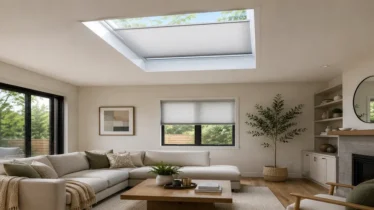
- Placed to lift the ceiling and upper walls: the room often feels cleaner and more open, without spotlighting dust zones.
- Placed to create a bright patch on the floor: it can highlight lint and dust constantly, which can feel messy even when the room is reasonably clean.
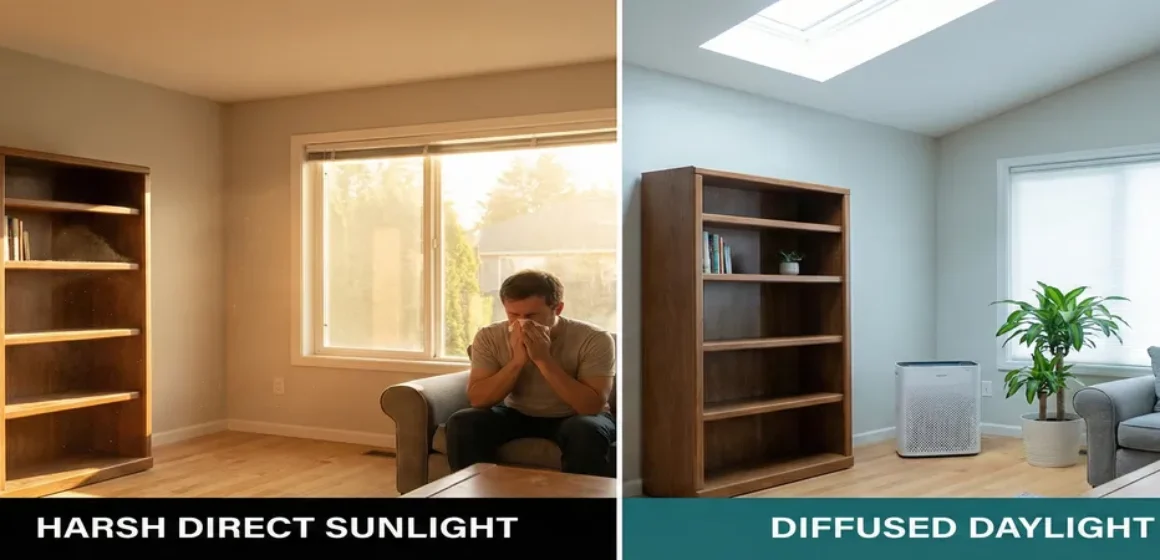
For allergy-sensitive homes, the goal is often even, calm brightness, not harsh spotlighting.
Choice 3: The room you target
If your goal is “freshness”, start with the rooms that control daily comfort:
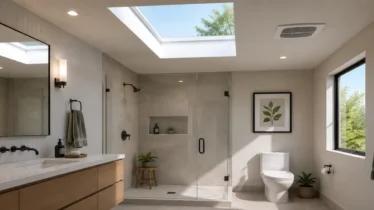
- bathrooms and ensuites (drying and dampness)
- hallways (the home’s central feel)
- kitchens (moisture events, odours, and usability)
- bedrooms (sleep comfort, but be careful with rain noise and light control preferences)
For Auckland-specific planning context:
https://www.skylights.co.nz/skylights-auckland/
The “freshness plan” for allergy-aware households
This is a practical approach that works in real homes.
Step 1: Decide what you want more of
Choose one primary goal:
- more usable daylight on grey bright days
- less stale, trapped air in the late afternoon
- faster drying in damp-prone rooms
- a home that looks and feels cleaner because dust is easier to spot and manage
Step 2: Choose your air strategy (before choosing opening or fixed)
If pollen is a concern, consider:
- using opening skylights selectively rather than constantly
- focusing on daylight improvements that reduce reliance on open windows during high-symptom periods
- prioritising rooms where daylight changes behaviour (bathroom, hallway, kitchen)
Step 3: Pick the smallest change that creates the biggest daily lift
A hallway or bathroom daylight upgrade often delivers a stronger “freshness” improvement than adding light to an already decent lounge.
Illustrative Example Only: the house that always felt slightly “dusty”
A homeowner in Greater Auckland described a home that never felt fully fresh, even after cleaning. The issue was not a lack of effort. It was that the centre of the home stayed dim, so dust build-up was easy to miss and the rooms felt closed in on overcast days.
Once overhead daylight improved visibility and lifted the central spaces, the home felt cleaner more often, with less effort.
Their comment afterwards:
“It didn’t magically remove dust. It just stopped hiding it.”
That is an underrated win.
A simple late-summer “room reset” routine (that works with Auckland weather)
If you are allergy-sensitive, timing matters.
- Morning: a short airing routine can work well if conditions suit your area (light breeze, lower pollen for you personally, and no heavy traffic dust).
- Midday: keep daylight working for you. Bright spaces feel fresher and are easier to maintain.
- Late afternoon: if the house feels heavy, a controlled high-level vent can help in the right home, but avoid throwing everything open if you know it triggers symptoms.
This is not about living sealed up. It is about using daylight and ventilation intentionally.
If you want a recommendation that fits your home and sensitivities
The best plan depends on your roof type, layout, and which rooms drive discomfort.
If you want advice that considers daylight, placement, and how you use ventilation in late summer, start here:
https://inquiry.skylights.co.nz/inquiry
When you enquire, add a line like: “Allergy-sensitive household” and mention which rooms feel most stale or dusty. That helps shape a comfort-first recommendation.
FAQs (unique to this topic)
Can a skylight reduce allergies in my home?
A skylight is not a medical solution. It can improve how fresh a room feels by increasing usable daylight, supporting drying in damp-prone spaces, and making dust easier to spot and clean.
Will an opening skylight bring pollen into the house?
If it is open, it introduces outdoor air, so pollen can enter depending on conditions. If pollen is a concern, many households prefer fixed skylights for daylight and use ventilation strategically.
Why does my house feel stale on warm late-summer days in Auckland?
Often it is a mix of humidity, still indoor air, and poor daylight distribution. Rooms can feel heavy even when it is bright outside if light does not reach the centre of the home.
Which rooms benefit most if “freshness” is the goal?
Bathrooms, hallways, and kitchens often deliver the biggest day-to-day improvement because they affect drying, comfort, and the overall feel of the home.
Does better daylight make dust worse?
No, but it makes dust more visible. That usually helps you keep the home feeling cleaner because you can spot and manage build-up sooner.