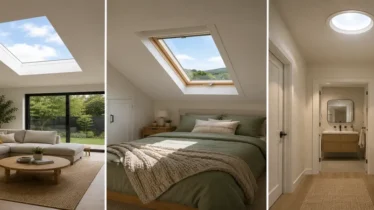
Fixed or vented skylight? How to choose the right option for your room
Once homeowners decide they want a skylight, the next question often follows quickly.
Should it open?
A fixed skylight can bring natural light into a room without opening. A vented skylight can bring daylight and provide controlled airflow when opened. Both can be valuable. Both can be the right answer in the right room. But they are not interchangeable.
The choice is not simply about choosing the “better” product. It is about understanding what the room actually needs.
A bathroom may need daylight and airflow. A hallway may only need practical daylight. A kitchen may need light over the bench, but still rely on a rangehood for cooking extraction. A bedroom may benefit from natural light, but opening function, privacy, sleep and summer comfort all need careful thought.
This fixed vs vented skylight guide explains the difference in plain English, so New Zealand homeowners can choose with more confidence before requesting a quote.
The simple difference
A fixed skylight brings daylight into the room but does not open.
A vented skylight brings daylight into the room and can be opened to support airflow.
That is the basic difference. But the practical decision depends on the room.
A fixed skylight may be ideal when the main goal is more natural light. It is often considered for kitchens, living rooms, bedrooms, home offices and rooms where ventilation is already handled.
A vented skylight may be useful when the room needs daylight and controlled airflow. It is often considered for bathrooms, kitchens, upper-level rooms, loft-style spaces and areas where warm or moist air gathers.
The key question is:
Does this room need daylight only, or does it genuinely need daylight and airflow?
If the room mainly needs light, a fixed skylight may be enough.
If the room needs light and high-level ventilation, a vented skylight may be worth assessing.
Start with the room’s problem
Before comparing skylight types, describe the room in practical terms.
Ask:
- Is the room dark during the day?
- Does it feel stuffy or enclosed?
- Is steam, moisture or odour part of the issue?
- Is there already an extractor fan, rangehood or opening window?
- Is the room used for long periods or briefly?
- Would opening the skylight be useful in real life?
- Would the homeowner actually operate it regularly?
- Would weather, height or access make operation inconvenient?
- Is privacy a concern?
- Would blinds, controls or accessories be needed?
A skylight should solve the room’s actual problem, not add features for the sake of it.
If the room is dark but not stuffy, a fixed skylight or tubular skylight may suit better than a vented skylight.
If the room is both dark and moisture-prone, a vented skylight may be part of the discussion, but ventilation and extraction still need to be considered properly.
When a fixed skylight makes sense
A fixed skylight is often a strong choice when daylight is the main goal.
It can bring natural light into a room without adding opening mechanisms, airflow controls or ventilation expectations. This can make it suitable for spaces where the homeowner wants a cleaner, simpler daylight solution.
A fixed skylight may suit:
- Kitchens where daylight over the bench is the main goal
- Living rooms that feel flat or under-lit
- Bedrooms needing more natural light
- Home offices where balanced daylight is needed
- Dining areas away from windows
- Larger hallways or entry spaces
- Rooms where ventilation is already handled
- Spaces where a visible daylight feature is wanted
A fixed skylight can make a room feel more open and connected to daylight. It may also provide a more architectural effect than a tubular skylight or Sky tube.
However, fixed does not mean basic. Placement, roof pitch, roof type, glazing, blinds, internal finishing and summer comfort still matter.
A fixed skylight should still be planned carefully.
When a vented skylight makes sense
A vented skylight can be useful when the room needs daylight and airflow.
Because it opens, it may help release warm air, moisture or stuffiness from a high point in the room. This can be helpful in some bathrooms, kitchens and upper-level spaces.
A vented skylight may suit:
- Bathrooms where steam and daylight are both concerns
- Kitchens where warm air can gather
- Loft-style rooms or attic spaces
- Upper-level bedrooms or offices that feel stuffy
- Raked-ceiling rooms
- Rooms where wall-window opening is limited
- Spaces where high-level airflow would be useful
The benefit is not just that it opens. The benefit is that opening makes sense for that room.
A vented skylight should not be chosen only because it sounds more complete. If the opening function is rarely used or not needed, it may add cost and complexity without improving daily use.
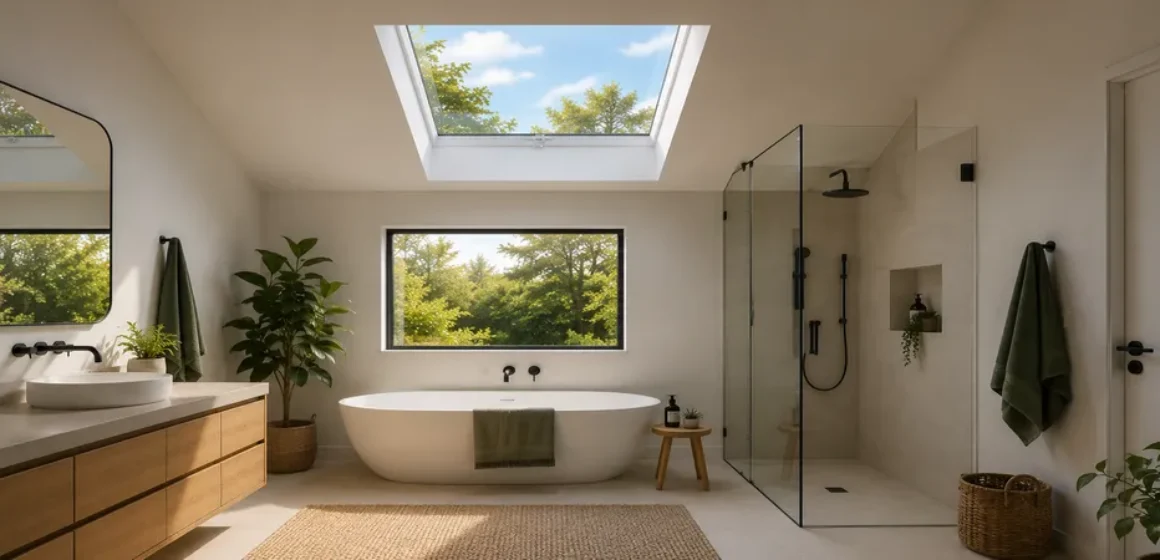
Bathroom: fixed or vented?
Bathrooms are one of the most common rooms where this decision matters.
A bathroom often needs daylight, privacy and moisture management. A small frosted window may protect privacy but provide weak light. Steam may linger after showers. The room may feel dull through winter, especially in older homes.
A fixed skylight may suit a bathroom when:
- The main problem is poor daylight
- Existing extraction is already effective
- The bathroom is larger and needs a stronger daylight feature
- The homeowner wants privacy-friendly overhead light
- Ventilation is handled separately
A vented skylight may suit a bathroom when:
- Daylight and airflow are both needed
- Steam gathers near the ceiling
- The room feels closed in after showers
- The roof and ceiling layout suit an opening skylight
- Operation is practical for the homeowner
A tubular skylight or Sky tube may suit when:
- The bathroom is compact
- The main goal is practical daylight
- A large skylight would feel unnecessary
- Ventilation is already handled separately
Important point: a vented skylight can support airflow in some bathrooms, but it should not be treated as a complete replacement for proper extraction. Bathrooms with heavy steam, frequent use or poor moisture control may still need an extractor fan and good ventilation habits.
Kitchen: fixed or vented?
Kitchens need careful thinking because they produce heat, cooking moisture and odours, but they also often have separate ventilation through a rangehood.
A kitchen skylight should begin with the work area.
Where is the bench? Where is the island? Where does the room feel darkest? Does the existing window light reach the places people actually use?
A fixed skylight may suit a kitchen when:
- The main goal is daylight over the bench or island
- The kitchen already has a suitable rangehood
- The room feels dark but not stuffy
- The skylight is part of a renovation or design upgrade
- A clean daylight feature is preferred
A vented skylight may suit a kitchen when:
- The room needs high-level airflow as well as daylight
- Warm air gathers near the ceiling
- The kitchen is part of a high-ceiling or open-plan space
- Existing airflow is limited
- The opening function would be used sensibly
A tubular skylight or Sky tube may suit when:
- The kitchen is compact
- A scullery, pantry or darker corner needs daylight
- A subtle diffuser is preferred over a larger skylight
- The goal is practical light, not a major feature
A vented skylight does not replace a suitable rangehood. Cooking extraction should be treated as its own requirement.
Bedroom: fixed or vented?
Bedrooms need a more personal decision.
They are used for sleep, privacy, dressing, reading and sometimes work. A bedroom skylight should improve daylight without creating unwanted brightness, glare, heat or privacy concerns.
A fixed skylight may suit a bedroom when:
- The room feels dull during the day
- It is used as a bedroom-office or study
- Privacy limits the use of wall windows
- A stronger daylight improvement is wanted
- Blinds can manage sleep and summer comfort
A vented skylight may suit a bedroom when:
- The room is upper-level or loft-style
- The space feels stuffy in warmer months
- High-level airflow would be useful
- The skylight can be operated conveniently
- Security, weather and comfort are considered
A tubular skylight or Sky tube may suit when:
- The bedroom is compact
- The goal is softer daylight
- A large skylight would feel too dominant
- The room is a spare room, guest room or dressing area
For bedrooms, blinds and placement matter. A skylight above the bed may not always be the best location. In some rooms, daylight is better placed near the wardrobe, desk, dressing area or central floor space.
Living room: fixed or vented?
Living rooms usually need daylight and atmosphere more than ventilation from the skylight itself.
A living room skylight often aims to make the space feel more open, more balanced and less dependent on side windows.
A fixed skylight may suit a living room when:
- The room feels dark away from the windows
- A covered deck or eave blocks side light
- The homeowner wants a stronger daylight feature
- The skylight is part of a renovation or interior upgrade
- Ventilation is already managed through doors or windows
A vented skylight may suit a living room when:
- The room has a high or raked ceiling
- Warm air gathers overhead
- There is limited cross-ventilation
- The opening function would support real use
A tubular skylight or Sky tube may suit when:
- A small transition zone, reading corner or internal part of the living area needs subtle daylight
- The room does not need a major skylight feature
For most standard living rooms, fixed skylights are often the starting point. Vented skylights need a clear airflow reason.
Home office: fixed or vented?
Home offices need balanced daylight, not harsh brightness.
A skylight can help a dull office feel more usable, but screen glare, desk position and summer comfort need careful thought.
A fixed skylight may suit a home office when:
- The room is used regularly during the day
- The desk area lacks useful natural light
- The room feels flat in winter
- Glare can be managed with placement or blinds
- Ventilation is already acceptable
A vented skylight may suit a home office when:
- The room feels stuffy after long use
- It is upper-level, loft-style or has a raked ceiling
- Wall windows are rarely opened because of noise, weather or security
- High-level airflow would be useful
A tubular skylight or Sky tube may suit when:
- The office is compact
- A subtle daylight improvement is enough
- A large skylight would feel visually heavy
The desk and screen should influence placement. A skylight should support work, not create glare.
Hallway, laundry, toilet and wardrobe: fixed or vented?
In many smaller rooms, the fixed vs vented choice may not be the main decision.
The better question may be whether the room needs a tubular skylight or Sky tube instead.
Hallways, laundries, toilets and wardrobes often need practical daylight, not ventilation through a roof window.
A tubular skylight or Sky tube may suit when:
- The room is compact
- The room is internal or semi-internal
- It needs lights during the day
- A subtle ceiling diffuser is enough
- A large skylight would be unnecessary
A fixed skylight may suit when:
- The hallway or entry is wider or more visible
- The room is part of a larger design upgrade
- A stronger daylight feature is desired
A vented skylight may suit when:
- The space genuinely needs airflow
- The room is a laundry with ventilation concerns and the roof layout supports an opening skylight
- The product is appropriate for the room and weather exposure
For most standard hallways and compact service rooms, daylight is the main need. A tubular skylight or Sky tube is often worth considering first.
The ventilation question homeowners should ask
Before choosing a vented skylight, ask:
What problem will the opening function solve?
Possible answers include:
- Steam in a bathroom
- Warm air in a high-ceiling kitchen
- Stuffy upper-level room
- Poor airflow in a loft space
- Limited window opening due to privacy or security
Weak answers include:
- “It sounds better”
- “We may as well”
- “It is the premium option”
- “It might be useful someday”
A vented skylight can be valuable, but only if the room benefits from the function.
If the room does not need airflow, a fixed skylight may be cleaner and more appropriate.
Operation matters: manual, electric and practical use
A vented skylight only helps if it can be used properly.
Before choosing one, consider:
- Is the skylight within reach?
- Would manual operation be practical?
- Would electric operation be needed?
- Would a rain sensor or control accessory be useful, depending on product options?
- Will the homeowner remember to close it?
- Is the room used often enough to justify opening function?
- Is there a risk of heat loss in winter if used poorly?
- Does the room need airflow at specific times?
These questions matter because a vented skylight is not only a product choice. It is a usage choice.
If the skylight is difficult to operate, it may not deliver the expected benefit.
Weather and exposure matter more for vented skylights
All skylights need proper flashing, roof suitability and weathertight installation.
Vented skylights add another consideration: the opening function must be appropriate for the home’s weather exposure and the homeowner’s habits.
In New Zealand, this matters because weather can change quickly, especially in exposed, coastal or windy regions.
Before choosing a vented skylight, consider:
- Local wind exposure
- Rain patterns
- Roof pitch
- Roof profile
- The likelihood of wind-driven rain
- Whether the room is used during the day
- How the skylight will be controlled
- Whether the homeowner will be comfortable managing it
A vented skylight should make the room easier to live with, not create worry every time the weather changes.
Heat loss, comfort and expectations
A common question is whether a vented skylight will make the room colder.
When closed and properly installed, the product should be assessed based on its glazing, frame, seals, installation and suitability. When opened, any vented skylight can release air from the room. That may be useful for moisture or warm air. It may be undesirable if opened at the wrong time in winter.
This is why usage matters.
A vented skylight is not simply better because it opens. It is better only when opening supports the room’s comfort and function.
Fixed skylights also need thermal consideration. Glazing, blinds, placement and installation quality still matter.
No skylight should be treated as a heater or insulation replacement.
Cost and complexity: what to consider
Vented skylights may involve more product complexity than fixed skylights.
Depending on the product and installation, this may include opening mechanisms, controls, accessories, electrical work or additional planning.
That does not mean they should be avoided. It means the added function should have a clear purpose.
Ask:
- Will the opening function be used?
- Does the room genuinely need airflow?
- Is the added complexity justified?
- Is there another ventilation solution that would be better?
- Would a fixed skylight plus proper extraction be more suitable?
- Would a tubular skylight be enough for this room?
The cheapest option is not always best. The most feature-rich option is not always best either.
The right option is the one that fits the room and roof.
Roof and ceiling conditions still decide what is possible
Whether fixed or vented, the skylight must suit the building.
Important factors include:
- Roof type
- Roof pitch
- Roof condition
- Flashing requirements
- Ceiling type
- Roof cavity depth
- Framing layout
- Trusses or rafters
- Wiring, plumbing or ducting
- Insulation
- Interior finishing requirements
- Safe roof access
- Local weather exposure
A homeowner may want a vented skylight, but the roof, ceiling or room use may make another option more suitable.
A homeowner may want a fixed skylight, but the room may also need airflow addressed.
Good advice considers both the room below and the roof above.
A simple decision framework
Use this framework before making an enquiry.
Choose fixed if:
- The room mainly needs natural light
- Ventilation is already handled
- A simpler daylight solution is preferred
- You want a visible skylight feature
- The room is a kitchen, living room, bedroom, dining room or office
Consider vented if:
- The room needs daylight and airflow
- Steam, warm air or stuffiness is part of the issue
- The product can be operated conveniently
- The roof and weather exposure are suitable
- You understand how the skylight will be used
Consider tubular skylight or Sky tube if:
- The room is compact or internal
- Practical daylight is the main goal
- A subtle ceiling diffuser is preferred
- The room is a hallway, laundry, toilet, wardrobe, pantry or small bathroom
Ask for guidance if:
- You are unsure whether the room needs airflow
- The roof pitch or roof type is unclear
- The room has moisture issues
- The room is part of a renovation
- You want to compare options before choosing
Illustrative example only
A homeowner wants to brighten a bathroom that feels dark and steamy in winter. The room has a small frosted window and an older extractor fan.
A fixed skylight may improve daylight, but it will not address airflow. A vented skylight may help support airflow if the roof and room are suitable, but the extractor fan may still need review. A tubular skylight may be enough if daylight is the main priority and ventilation is handled separately.
The right recommendation depends on whether the problem is daylight, ventilation or both.
In another home, a dark hallway needs lights on during the day but has no moisture or airflow concern. In that case, a vented skylight would usually be unnecessary. A tubular skylight or Sky tube may be the more appropriate starting point.
Different rooms need different answers.
Common mistakes to avoid
Mistake 1: Assuming vented is always better
Opening function is useful only when the room needs it and the homeowner will use it properly.
Mistake 2: Choosing fixed when the room has a real ventilation problem
If the room has steam, moisture or stale air, airflow needs to be considered separately.
Mistake 3: Expecting a vented skylight to replace all ventilation
Bathrooms and kitchens may still need extraction or other ventilation measures.
Mistake 4: Ignoring operation practicality
A skylight that is hard to reach or inconvenient to operate may not deliver the intended benefit.
Mistake 5: Choosing the product before checking the roof
Roof pitch, roof type, flashing and access affect what is suitable.
Mistake 6: Forgetting summer comfort
Blinds, glazing, placement and airflow should be considered for the full year, not just winter.
What to send when asking for advice
To compare fixed and vented skylight options, send:
- Photos of the room from several angles
- A photo of the ceiling area
- Photos of the roof above or near the room if possible
- The room type and approximate size
- When the room feels darkest
- Whether the room feels stuffy, steamy or damp
- Whether there is an extractor fan, rangehood or opening window
- Whether ventilation is a priority
- Whether privacy, glare or summer heat are concerns
- Roof type if known
- Ceiling type if known
- Any planned renovation, painting or roofing work
The more clearly the room problem is described, the easier it is to recommend the right skylight type.
The best choice is the clearest choice
A fixed skylight is not the basic option.
A vented skylight is not automatically the better option.
A tubular skylight is not a compromise when the room only needs practical daylight.
The right product depends on the room’s actual need.
For some rooms, that is daylight only.
For others, it is daylight and airflow.
For compact spaces, it may be subtle overhead daylight through a ceiling diffuser.
For larger rooms, it may be a stronger skylight feature.
The best skylight decision is the one that makes the room work better without adding unnecessary complexity.
Planning your next step
If you are unsure whether your room needs a fixed skylight, vented skylight, tubular skylight or Sky tube, start by identifying the room’s real problem.
Skylights.co.nz can help you consider which daylight option may suit your home, roof type, room use and desired outcome.
To start planning your options, use the Skylights.co.nz enquiry form:
https://inquiry.skylights.co.nz/inquiry
You may also find these useful:
FAQs
What is the difference between a fixed and vented skylight?
A fixed skylight brings daylight into the room but does not open. A vented skylight brings daylight and can open to support airflow. The right choice depends on whether the room needs light only, or light and ventilation.
Is a vented skylight better than a fixed skylight?
Not always. A vented skylight is better only when the room benefits from opening airflow. If the room mainly needs daylight, a fixed skylight may be more suitable and less complex.
Should I use a vented skylight in a bathroom?
A vented skylight may suit some bathrooms where daylight and airflow are both needed. However, it should not automatically replace an extractor fan. Steam, condensation and moisture control need to be considered properly.
Is a fixed skylight good for a kitchen?
A fixed skylight can be a good option for kitchens where the main goal is daylight over the bench, island or working area. If airflow is also needed, a vented skylight or separate ventilation solution may be considered.
When should I choose a tubular skylight instead?
A tubular skylight or Sky tube may be better for compact or internal spaces such as hallways, laundries, toilets, wardrobes, pantries and small bathrooms where practical daylight is needed without a large skylight feature.
What information helps decide between fixed and vented skylights?
Photos of the room, ceiling and roof area are useful. Also explain whether the room is dark, stuffy, steamy or damp, whether ventilation already exists, and how the room is used during the day.