Don’t Block the View: Skylights That Complement Scenic Surroundings Near Wellsford
The Wellsford Dilemma
You’re standing in your lounge, coffee in hand, gazing out toward rolling hills or a distant tree line. The land stretches out, open and untouched, a defining part of why you live here.
So how do you brighten your home’s interior without stealing attention from the view outside?
In areas like Tomarata, Te Hana, and Wayby Valley, it’s a familiar challenge. Large windows frame the outdoors beautifully, but rooms set back from the glass, or internal zones in U-shaped homes, can still feel dull, especially on overcast days.
The answer? Skylights and sun tubes that complement your view, not compete with it.
Design Goal: Let the View Breathe — Light the Periphery
The secret isn’t more glass, it’s smarter glass placement.
Here’s how to invite natural light into your home without overwhelming sightlines or crowding your landscape views.
1. Use Skylights to Illuminate Shadow Zones
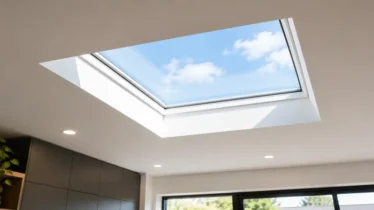
Rather than adding more wall windows (which can dominate a space), install skylights in ceiling zones furthest from external glass. This draws in ambient daylight without interrupting your panoramic outlook.
- Ideal for: open-plan living rooms, kitchens, hallways
- Tip: Use diffused glazing for a soft daylight wash that doesn’t outshine the landscape
2. Highlight Architectural Features, Not Windows
Instead of adding light next to large sliding doors or picture windows, use skylights to draw attention upward or inward. Think:
- Lightwells in vaulted ceilings
- Angled skylights near internal corners
- Sun tubes in long corridors running parallel to external views
This preserves the view corridor and makes the space feel intentionally layered.
3. Frame the Outdoors, Don’t Compete with It
Use fixed skylights in discreet roof positions, like:
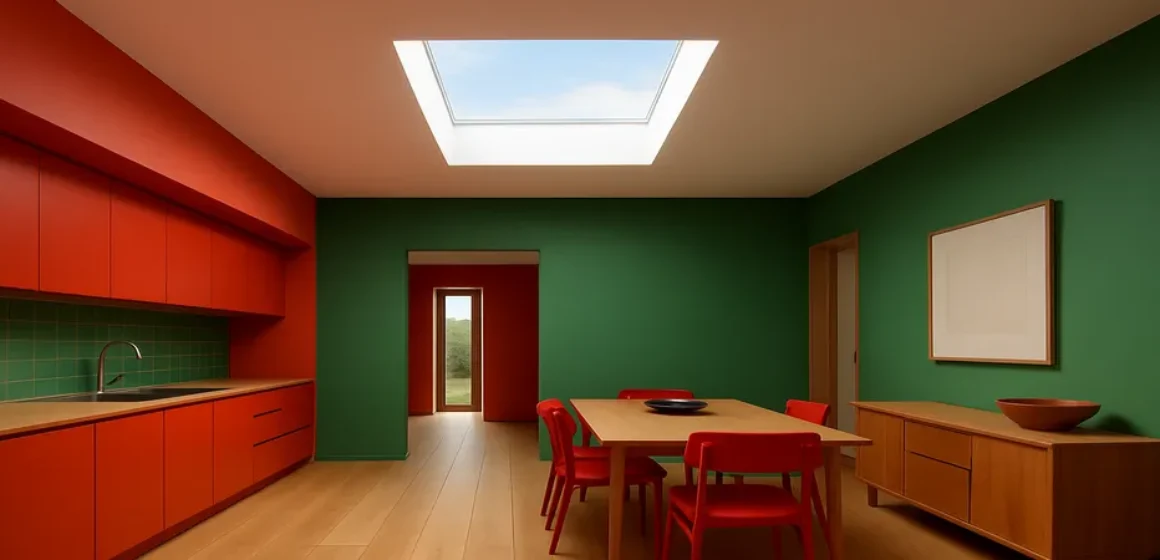
- Over dining tables or kitchen islands
- Along roof ridges or in scissor-truss zones
- In ensuite bathrooms with no external walls
This approach brings in light where it’s needed most, without adding visual ‘noise’ near the scenic glazing.
4. Glazing Choice Matters
To complement rural views, use materials that enhance natural tones, not glare or reflections.
|
Glazing Type |
Ideal Use Case |
|
Low-Iron Glass |
Maximises clarity and colour fidelity — ideal for bright, rural skies |
|
Tinted or Reflective Coatings |
Avoid in view-facing installs; can distort or compete with scenery |
|
Diffused Panels |
Great for softening bright NZ light in open paddock-facing homes |
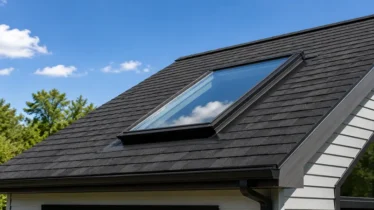
5. Flush-Mounted Designs Keep Rooflines Clean
Homes with expansive views often have minimal, low-profile rooflines. Choose:
- Flush-mount skylights
- Sun tubes with matching roof caps
- Integrated flashing systems to maintain architectural flow
Especially valuable for relocatable homes or barn-style builds where every detail is visible against the skyline.
Recap: Designing with Light and Landscape in Mind
- Use skylights to fill in light gaps, not fight your views
- Choose non-reflective, diffused, or low-profile systems
- Prioritise ceiling zones away from glazing walls
- Highlight interiors, not compete with nature
Want Help Designing for Light and the Landscape?
Connect with a trusted local installer who understands rural aesthetics and scenic rooflines.