DIY vs. Professional Skylight Installs in Rural Areas: What Wellsford Homeowners Should Consider
A Common Crossroads in Rural Builds
For homeowners across Wellsford, especially on lifestyle blocks and rural properties, the decision to install a skylight often comes with a familiar question:
Can I do this myself, or should I hire a professional?
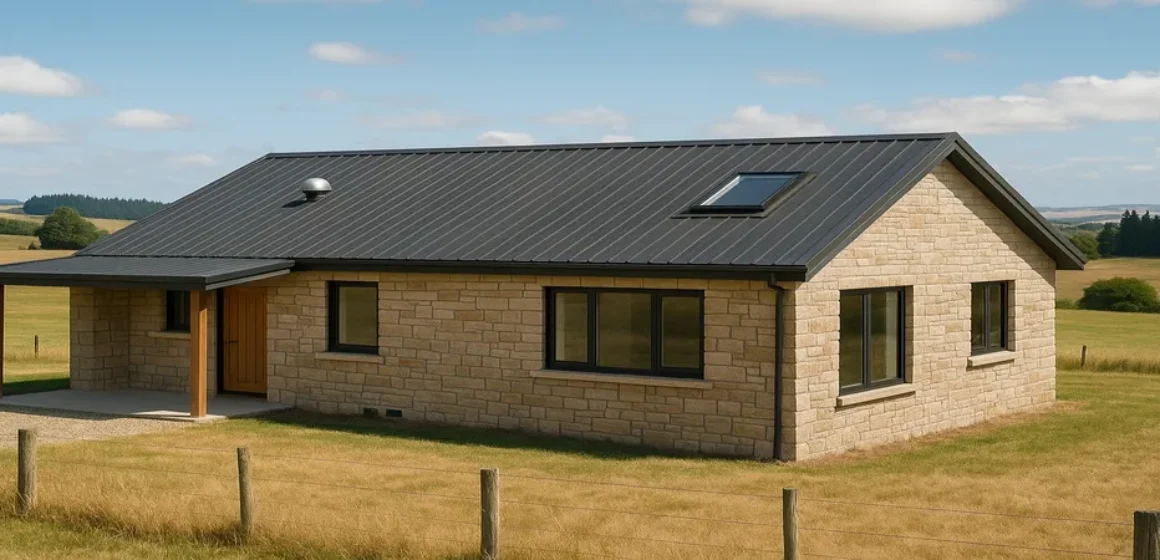
From sheds-turned-sleepouts to relocated homes and open-plan barns, the appeal of a DIY project is strong. But so are the risks, particularly when you’re dealing with steel roofing, roof pitch, and weatherproofing in remote zones.
This guide breaks down the real pros and cons of both options — so you can make a confident, well-lit decision.
Quick Comparison: DIY vs. Professional Skylight Installation
|
Feature/Factor |
DIY Approach |
Licensed Professional Installer |
|
Initial Cost |
Lower upfront (no labour charge) |
Higher upfront but often includes warranty |
|
Skill Level Required |
Moderate to high (roofing + flashing) |
Certified and trained for complex roof types |
|
Risk of Leaks |
High if incorrect flashing is used |
Very low when properly installed |
|
Time Investment |
1–2 weekends or more |
1–2 days (on average) |
|
Compliance |
May not meet code (no LBP sign-off) |
Can provide code-compliant documentation |
|
Post-Install Support |
None — you’re on your own |
Installer may offer follow-up and warranty |
DIY: When It Might Work
DIY installs may be an option if:
- You’re replacing an existing skylight in a similar location
- The roof is flat, single-storey, and fully accessible
- You have experience with roofing, sealing, and cutting
- You’re using a modular or relocatable home with lightweight materials
- The skylight is a non-opening model, such as a basic sun tube
Tip: Always consult the manufacturer’s flashing guide for your exact roofing profile (corrugated iron, long-run steel, etc.)
DIY: The Risks in Wellsford Context
In areas like Te Hana or Whangaripo Valley, DIY comes with rural-specific risks:
- Height & Access: Many lifestyle blocks have steep roof pitches or awkward ladder positions, increasing fall risk.
- Weather Exposure: Sudden rainstorms or high winds can ruin a partially installed skylight or compromise seals.
- Material Mismatch: Using flat flashing on corrugated metal leads to water pooling, a common leak point in DIY attempts.
- Insurance Issues: Incorrect installation may void your home insurance if water damage occurs.
Professional Install: Why It’s the Safer Bet in Rural Builds
Choosing a licensed installer means:
- Code-compliant flashing and sealing
- Efficient install time — minimal disruption, even in hard-to-reach homes
- Product warranties protected by proper install practices
- Knowledge of rural challenges like remote access, tank water safety, and wind-zoned regions
They also handle:
- Roofing material cuts with minimal wastage
- Site-safe protocols for higher, multi-pitch roofs
- Moisture protection during install — a key issue in Wellsford’s damp seasons
Case Snapshot (Fictionalised): The Costly “Quick Job”
A homeowner in Tauhoa attempted to install a skylight on a shed roof over a long weekend. Despite watching tutorials, the install leaked during a sudden winter squall.
Result: roof sheet replacement, interior damage, and ultimately calling in a professional, spending more than a full install would have cost in the first place.
Verdict: When to DIY vs. When to Call the Pros
|
Scenario |
Recommendation |
|
Replacing an old skylight in the same spot |
Possibly DIY (with care) |
|
Installing in a high, angled, or remote roof |
|
|
Unsure about flashing, sealing, or code |
|
|
Confident builder with roof access |
DIY may be viable |
Still Unsure? Start with Expert Advice
Even if you’re considering DIY, it pays to speak with an experienced installer first. Many offer advisory visits or remote assessments, helping you decide what’s realistic for your roof and risk level.