The Eco Case: How Skylights Can Support Off-Grid Living in Wairarapa
What If More Light Didn’t Require More Power?
In the hills above Carterton, nestled between paddocks and native bush, a growing number of homes are being built with a shared vision: light-touch living.
They’re off-grid. Often owner-built. And almost always designed with sustainability in mind.
But while solar panels, composting toilets, and rainwater tanks get all the headlines, there’s one design decision that often gets overlooked — how natural light enters the home.
Skylights might not power your fridge or pump your water. But in a well-designed off-grid house, they’re doing just as much behind the scenes — and they deserve a place in the eco conversation.
What Skylights Actually Do in Off-Grid Homes
Skylights aren’t just decorative add-ons. In off-grid and low-impact homes, they become part of the energy strategy. Here’s how:
1. They Reduce Your Dependence on Electric Lighting
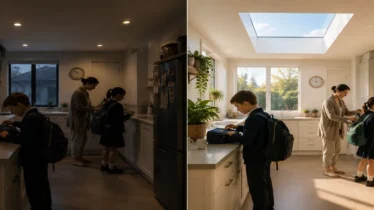
Even in bright regions like Wairarapa, many rural homes rely on artificial light from mid-morning through early evening — especially if the house has deep eaves, high walls, or a central hallway.
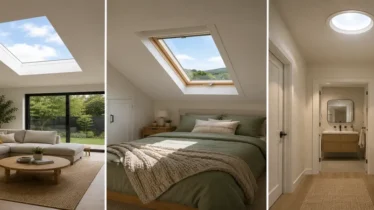
A fixed skylight or sun tube can illuminate:
- Kitchens during early prep hours
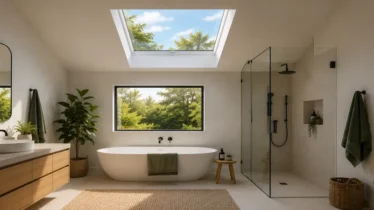
- Bathrooms where windows aren’t feasible
- Internal hallways, laundry rooms, and lofts
The result? A noticeable reduction in daytime energy usage, and a more natural rhythm to your home’s interior light.
2. They Help Manage Airflow — No Wiring Required
For many off-grid properties near Masterton or Featherston, climate control is a challenge. You want heat in winter, but not in summer. Moisture in bathrooms needs to escape. And electricity is always a resource to be protected.
That’s where solar-powered venting skylights come in.
They open during warm spells to release heat buildup and humidity — no switches, no power draw, and no need for extractor fans or ducting. Ideal for:
- Rural bathrooms with no windows
- Kitchens in passive homes
- Attic rooms or unlined spaces
3. They Support Passive Solar Design Goals
A north-facing skylight with low-E glazing can do more than brighten a room — it can act as a passive solar collector, raising internal temperatures without any mechanical input.
Meanwhile, south-facing skylights can deliver soft, diffused light with minimal heat transfer — ideal for avoiding summer overheating while still achieving brightness in internal rooms.
The key is in placement and glass selection, both of which your installer should tailor to your specific climate and home design.
Inspired by Real Off-Grid Choices
A couple near Tīnui built their off-grid home using timber from their own land and powered everything with solar and a backup generator. Their installer added two solar-powered venting skylights to the roofline above the kitchen and bathroom. It’s not something they initially thought of — but now they say it’s one of the features they appreciate most. “No moisture issues, no extra switches, no regrets.”
Thoughtful Design Over Technological Excess
Off-grid living isn’t about having less — it’s about making better use of what you already have. Light is free. Heat can be harnessed. And airflow, if designed for, doesn’t need to rely on machines.
Skylights offer exactly that:
- Light where you need it
- Ventilation where it matters
- All without drawing a single extra amp
For off-grid homes in Wairarapa, it’s not just a design upgrade — it’s a lifestyle fit.
Ready to Build Light into Your Off-Grid Home?
If you’re designing or upgrading an off-grid property in Wairarapa, we’ll connect you with installers who understand eco-builds, solar strategies, and passive daylighting.