Acrylic, polycarbonate or glass? Choosing materials for circular skylights in NZ
When people ask about circular skylights, the first questions are often about size and location.
Very quickly, another question appears: “What should the dome be made from?”
In New Zealand, most circular domes for homes fall into three broad material families:
- acrylic
- polycarbonate
- glass.
From the street, they may all look like a simple circle of light. Behind that circle, each material tells a different story about:
- cost and value
- clarity and light quality
- weight, strength and impact behaviour
- how well it suits coastal, inland or alpine climates.
This article focuses on acrylic vs polycarbonate circular skylight NZ choices and where glass fits into the picture. The aim is not to make you a materials engineer, but to:
- explain what each option is trying to achieve
- highlight typical pros and cons for New Zealand homes
- show where a more premium option genuinely adds value, and where a well-specified acrylic or polycarbonate dome is enough.
All examples are Illustrative Only and not tied to specific suppliers or brands.
1. The three main material families in plain English
Before comparing, it helps to define each material at a high level.
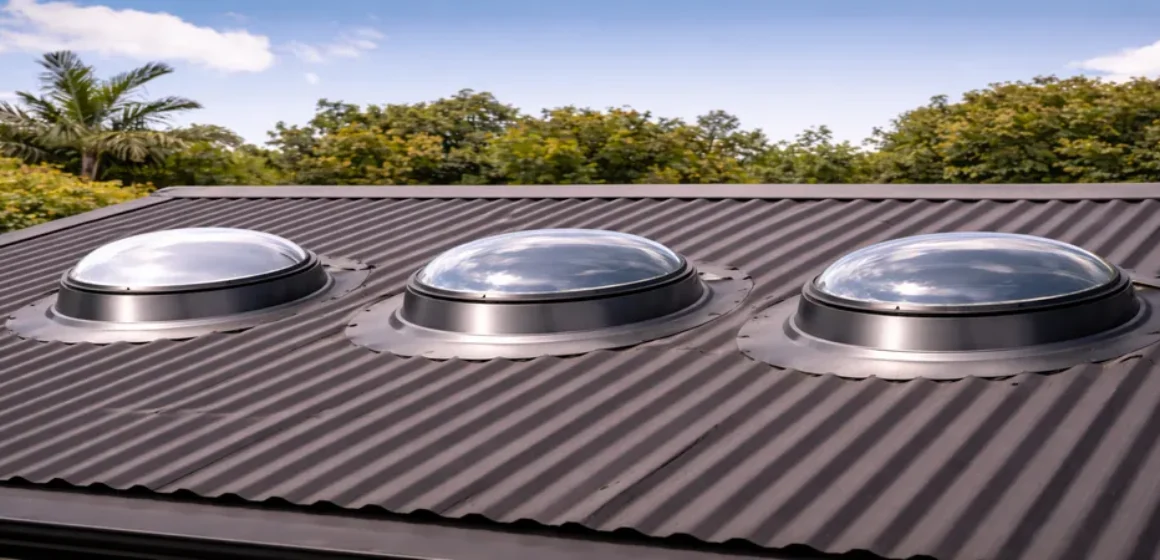
Acrylic circular domes
Acrylic is a clear plastic often used for skylight domes. In circular skylights it is popular because it:
- is relatively light in weight
- offers good clarity and light transmission
- can be formed into a wide range of dome sizes.
You will commonly see thickness options such as 3 mm and 4.5 mm, especially for residential domes.
Polycarbonate circular domes
Polycarbonate is another clear plastic material. Compared with standard acrylic, it typically offers:
- higher impact resistance
- good light transmission
- a different balance of stiffness and toughness.
It is often considered where exposure, risk of impact or particular durability requirements are front of mind.
Glass circular skylights
Glass circular skylights for homes in NZ are less common than plastic domes but remain an option in some projects. They:
- are heavier
- often require more complex support structures
- can deliver a very specific architectural feel when designed in from the outset.
Homeowners sometimes discover that a glass circular skylight can be around three times the price of an acrylic option of similar diameter once structure and installation are considered.
2. Clarity, light quality and how rooms feel
Most people care less about technical data sheets and more about how the light actually feels in the room.
Acrylic – clear and familiar
Acrylic domes:
- are known for good clarity and bright light
- can be supplied in clear or diffused options
- are common in many New Zealand homes, so their appearance is familiar.
In living areas and kitchens, a clear acrylic dome can:
- create a strong sense of connection to the sky
- bring crisp daylight into the space.
Diffused acrylic options:
- soften shadows
- help avoid harsh highlights on benches and floors
- can make colour-critical tasks easier by evening out the light.
Polycarbonate – similar light, different priorities
Polycarbonate domes often look broadly similar to acrylic to the casual eye. The main differences relate more to impact performance and durability considerations than day-to-day light quality.
In many domestic applications, a well-specified polycarbonate dome will:
- provide comparable brightness
- offer either clear or diffused finishes
- sit in the same general visual family as acrylic.
Glass – crisp, weighty and architectural
Glass circular skylights can offer:
- a very crisp visual feel
- the ability to align with nearby glass elements such as full-height windows
- specific performance characteristics where multi-layer glazing is used.
They are often chosen where the skylight is part of a larger architectural concept rather than a standalone item.
3. Strength, impact and exposure – thinking about NZ conditions
New Zealand’s mix of coastal weather, high UV and varied wind conditions means that strength and durability matter as much as initial appearance.
Acrylic domes in practice
Acrylic has been used successfully for skylight domes in NZ for many years. In typical residential use, a well-made acrylic dome:
- can perform reliably when correctly detailed and installed
- is suited to a wide range of roof types
- works well in many suburban and urban settings.
At larger diameters or on exposed sites, installers may recommend:
- moving from 3 mm to 4.5 mm acrylic
- paying closer attention to base design, fixings and flashing
- discussing wind zone and site exposure early in design.
Polycarbonate where impact or exposure are concerns
Polycarbonate’s key advantage is its higher impact resistance compared with standard acrylic. This can be relevant for:
- very exposed coastal locations
- hill suburbs subject to debris in high winds
- particular non-residential or mixed-use situations.
Illustrative Example Only: A homeowner on an exposed ridge near Wellington was exploring a medium-sized circular dome for a stairwell. After discussing wind exposure and surrounding trees with their installer, they chose a polycarbonate dome for increased impact resistance, alongside careful base and flashing detailing.
Polycarbonate is not a universal requirement, but it can be part of the toolkit in more challenging settings.
Glass and structural considerations
Glass circular skylights bring different structural questions:
- higher weight
- potentially larger loads on framing
- different ways of managing impact and breakage.
These factors are usually handled at design stage by the project team rather than by homeowners directly. The key practical point is that glass options often demand a more substantial structural and installation allowance than plastic domes.
4. Cost patterns – where the big differences tend to sit
While exact numbers vary between projects, some cost patterns are common.
Acrylic – often the baseline for comparison
For many circular skylight enquiries in NZ, acrylic domes:
- form the reference point for pricing
- sit in a range that is achievable for many renovation and new-build budgets
- scale relatively predictably with size.
Moving from 3 mm to 4.5 mm acrylic will usually affect cost, but not to the same degree as changing material family entirely.
Polycarbonate – a step up in some cases
Polycarbonate domes may:
- attract a premium over standard acrylic
- be targeted at specific use cases rather than general substitution
- make sense when exposure or risk justify the extra spend.
In some projects, the difference between a suitable acrylic option and a polycarbonate option may be modest relative to the overall renovation, particularly at smaller diameters.
Glass – a different cost category
- sit significantly higher in cost than acrylic or polycarbonate domes of the same diameter
- require more detailed structural support
- add to labour and engineering allowances.
This is where homeowners often encounter situations such as:
- a glass solution being around three times the cost of an acrylic dome for a large diameter feature skylight
- a decision to use glass only where it is central to the design concept.
Illustrative Example Only: A couple planning a 2.4 m feature skylight for a living area investigated both acrylic and glass options. Once they reviewed indicative costs, they chose a thicker acrylic dome with a carefully designed internal shaft, and invested the savings into floor finishes and glazing upgrades elsewhere in the house.
5. Maintenance, ageing and appearance over time
Any material exposed to New Zealand weather will change over time. The question is how, and at what pace.
Acrylic – known patterns and care
Acrylic domes:
- have a long track record in NZ
- require sensible cleaning practices (avoiding harsh abrasives)
- may show signs of ageing over extended periods depending on exposure and product quality.
Regular inspection as part of roof maintenance allows:
- early detection of any issues
- discussion with installers about cleaning methods and replacement cycles where appropriate.
Polycarbonate – toughness with its own care notes
Polycarbonate’s toughness does not remove the need for care. It may have:
- different scratch resistance characteristics compared with acrylic
- specific guidance from manufacturers on cleaning and maintenance.
Homeowners should follow product-specific advice from their installer or supplier.
Glass – durable surface, different detailing
Glass surfaces can be very durable when detailed correctly. At the same time:
- water spotting and dirt patterns can be more visible on some glass geometries
- access for cleaning and inspection still needs to be considered.
For all materials, access and safety remain critical. Roof work should be carried out by appropriate trades or specialists.
6. Matching materials to room type and region
It can help to think about material choice as a conversation between room, region and role.
Room function
Ask first what the room is trying to do:
- A feature living area or entry may justify a carefully detailed acrylic or polycarbonate dome at a larger diameter.
- An internal stair or bathroom may prioritise impact resistance and privacy over pure feature status.
- A rural workshop or outbuilding may demand robust, low-maintenance solutions.
Region and exposure
Next, think about where the house sits:
- Coastal zones: salt, wind and bright light may push the conversation towards material durability and thickness.
- Alpine or inland regions: cold winters and clear sun may focus attention on glazing performance and shaft detailing.
- Windy hill suburbs: exposure and nearby vegetation may influence impact and fixing considerations.
Role in the overall design
Finally, consider how central the skylight is to the overall design:
- If the circular skylight is the primary hero element in the home, there may be more appetite for premium materials or more complex detailing.
- If it is one of several supporting elements, a well-chosen acrylic or polycarbonate dome may deliver the desired performance without stretching the budget.
7. A simple decision framework for NZ homeowners
You do not need to choose a material alone. However, going into early discussions with a basic framework can make conversations smoother.
For each proposed circular skylight, ask:
- Is this skylight mainly functional, mainly a feature, or both?
If it is mainly functional, a suitable acrylic or polycarbonate option may be entirely appropriate. If it is a central feature, discuss whether any additional benefits of glass would truly be used. - How exposed is the site?
Note whether your home is coastal, inland, alpine, on a ridge, or sheltered. This will inform material and thickness conversations. - What is my comfort level with maintenance and replacement cycles?
Some homeowners are comfortable with the idea of eventual dome replacement as part of roof life. Others may prioritise longer-term stability on key elements. - How does this choice sit within the overall budget?
It can be smarter to select a robust acrylic or polycarbonate dome and invest the difference into insulation, blinds or other comfort features than to stretch for a material that does not meaningfully change your lived experience.
Skylights New Zealand regularly helps homeowners weigh up acrylic vs polycarbonate circular skylight choices and understand where glass genuinely fits.
Make an enquiry via Skylights New Zealand
If you share your room type, location, whether the skylight is a feature or functional element, and any exposure concerns, a skylight professional can talk you through practical material options for your specific situation.
FAQs – acrylic, polycarbonate and glass circular skylights in NZ
Q1. Is acrylic or polycarbonate better for circular skylights in NZ homes?
It depends on the project. Acrylic is a common, proven choice for many residential domes. Polycarbonate may be preferred in more exposed or impact-sensitive locations. An installer can advise which suits your roof, climate and goals.
Q2. Why can glass circular skylights cost so much more than acrylic?
Glass units often involve heavier glazing, more complex support structures and additional labour. When these are added together, overall costs can be significantly higher than for comparable acrylic domes.
Q3. Will an acrylic dome yellow or become cloudy over time?
Ageing depends on product quality, exposure and care. Many acrylic domes perform well for extended periods. Regular inspection and following cleaning guidance from your installer can help maintain appearance.
Q4. Is polycarbonate unbreakable?
No material is completely unbreakable, but polycarbonate is generally more impact resistant than standard acrylic. It is still important that it is correctly detailed, installed and maintained.
Q5. Do glass circular skylights always give better light quality?
Glass can offer a particular crispness, but light quality also depends on size, orientation, shaft design and interior finishes. For many homes, a well-specified acrylic or polycarbonate dome provides excellent daylight.
Q6. How do I decide which material is right for my home?
Start with room use, site exposure and whether the skylight is a feature or a utility element. Share these with a skylight professional, who can then explain the material options and trade-offs for your specific project.