Coastal Roof Challenges: Skylight Materials That Last in Whangaparāoa’s Salt Air
The Salt Air Test
Whangaparāoa offers an unbeatable lifestyle, coastal walks, sea views, and open skies. But for your roof (and especially your skylights), that coastal charm comes with a price: salt-laden air, persistent moisture, and accelerated corrosion.
Whether you’re in Army Bay, Stanmore Bay, or overlooking the marina in Gulf Harbour, your skylights must withstand more than just sun and rain; they must hold up to salt spray, wind-driven moisture, and in some cases, elevated UV exposure.
This guide breaks down what Whangaparāoa homeowners should look for in skylight materials to avoid premature failure, leaks, or high-maintenance frustrations.
The Problem: What Salt Air Does to Skylights
|
Common Issue |
Cause |
Where It Happens |
|
Corrosion of frames or flashings |
Salt crystals + moisture breaking down untreated metal |
Exposed coastal roofs, especially metal |
|
Staining or clouding of glazing |
Sea spray residue + UV degradation |
Dome-style or untreated acrylic skylights |
|
Leaks around the flashing |
Improper sealants, thermal movement, or incompatible flashing |
Long-run steel or tile roofs near the coast |
Even well-made skylights can degrade quickly without the right materials, especially within 500 metres of the shoreline.
The Solution: Material Choices That Survive the Coast
1. Marine-Grade Flashings (Aluminium or Stainless Steel)
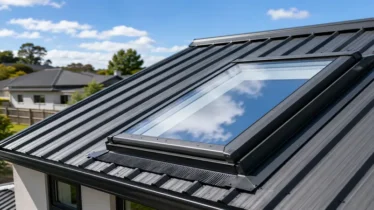
Your skylight is only as reliable as its flashing system. Standard flashings can pit, rust, or loosen over time when exposed to salty air.
What to look for:
- Powder-coated aluminium with marine-grade coating
- 316 stainless steel for extremely exposed homes
- Profile-matched flashings for corrugated or trapezoidal roofs
2. Coastal-Rated Skylight Frames
Avoid standard untreated aluminium or steel frames. Opt for:
- Anodised aluminium with thick coating
- uPVC or composite frames with built-in UV resistance
- Sealed, low-profile frame designs to reduce salt build-up zones
3. Low-Maintenance Glazing Options
Salt and UV can cloud or degrade cheaper plastic domes. For long-term clarity:
- Use tempered or laminated glass instead of acrylic domes
- Consider self-cleaning glass coatings that repel dust and spray
- Choose diffused glazing to reduce glare from bright coastal skies
4. Insulated, Leak-Resistant Seals
Moisture and wind pressure cause expansion and contraction, especially in exposed ridge lines or skillion roofs.
Look for:
- Thermal breaks in the frame to minimise condensation
- Multi-layer sealing systems that accommodate movement
- Butyl tape and compatible sealants for NZ coastal roofing
Maintenance Tips for Coastal Skylights
|
Task |
Frequency |
Why It Matters |
|
Rinse skylight glazing with fresh water |
Every 3–6 months |
Removes salt build-up that can stain or degrade coatings |
|
Inspect flashings and seals |
Annually |
Spot corrosion early and reseal where necessary |
|
Clear roof debris |
Before winter |
Prevent blocked drainage around skylight upstands |
Summary: What to Look for in Coastal Skylight Materials
- Marine-grade flashing (aluminium or 316 stainless)
- Powder-coated or composite skylight frames
- Tempered glass with UV/stain resistance
- Multi-layer seals and movement-tolerant materials
- Profile-matched flashing for metal roofs
Building or Renovating Near the Water?
Speak to a trusted local installer familiar with Whangaparāoa‘s coastal environment. They’ll help select materials and systems built to endure.