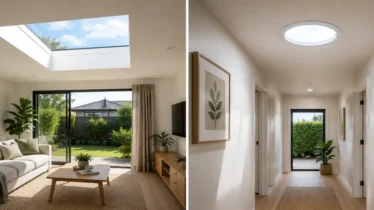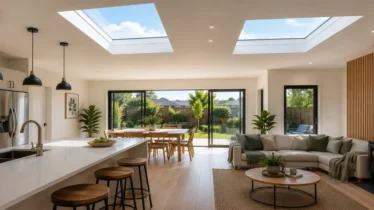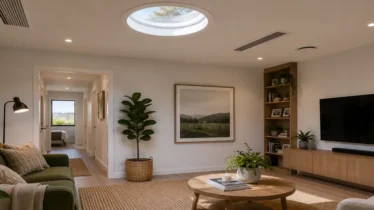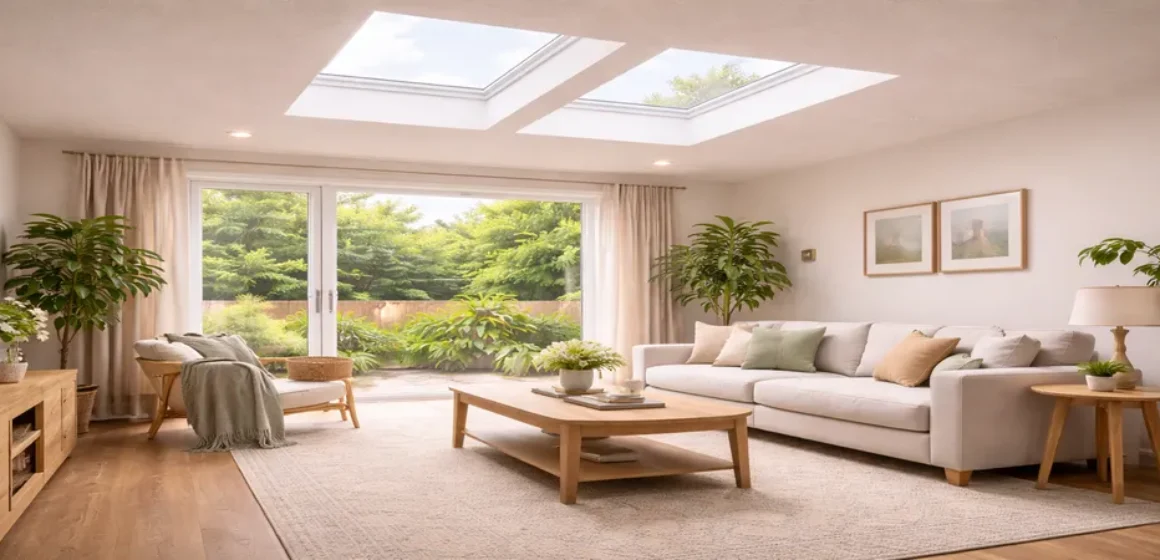
Daylight and wellbeing: what to consider when you plan skylights for your NZ home
Think about the first room you walk into most mornings.
It might be the kitchen, still quiet before the day begins. A hallway you cross on the way to let the dog out. A small corner of the living room where you pause with a coffee.
Some mornings, those spaces feel soft and welcoming. On other days, they can feel flat – lights on, curtains closed, the day not quite started.
Daylight is not the only ingredient in how we feel at home, but it is one we notice even when we are not consciously paying attention. Over time, the daylight and wellbeing of NZ homes is shaped by simple things: where the sun rises, which rooms catch first light, and how easily we can make spaces feel calm in the evening.
This article does not give medical advice. Instead, it explores how natural light, daily routines and skylights can work together in practical ways:
- how daylight influences mood and rhythm in everyday life
- how skylights can support morning light, focused work, and quiet “third space” corners
- how to plan daylight with care, so homes feel balanced across seasons, not just bright on a sunny day.
1. The quiet influence of daylight in everyday routines
Most people have felt the difference between:
- a dim kitchen where lights are on from mid-afternoon
- and a room where daylight carries you through most of the day.
Without making big claims, we can say that light often affects:
- mood and energy – bright, soft light can make a room feel more active or more restful
- how long we stay in a space – we tend to linger in rooms that feel comfortable and naturally lit
- the activities we choose – a bright nook invites reading; a gloomy corner becomes storage.
In New Zealand, this is amplified by our seasons:
- long, light summer evenings that can make open-plan areas feel expansive
- shorter winter days where low sun angles and overcast skies test how well our homes handle daylight.
Skylights are one of several tools that can help shape that experience, especially in rooms that sit away from external walls or face the “wrong” direction for the way we live.
2. Understanding daylight patterns in NZ homes
Before planning skylights, it helps to notice how light already moves through your home.
Orientation and seasons
Key questions include:
- Which rooms see the first light of the day?
- Which rooms hold light into the evening?
- Which parts of the house feel consistently dim, even in good weather?
In many NZ homes:
- south-facing rooms can feel cooler and lower in light
- internal rooms away from windows rely heavily on artificial lighting
- hallways and stairwells act as “in-between” spaces that can be either uplifting or purely functional.
Roofs and internal layouts
Skylights are especially helpful where:
- roof surfaces sit above key rooms with limited wall windows
- internal bathrooms, hallways or studies borrow light from other spaces
- upper and lower levels need to share light in a way that feels even and safe.
Taking a few days to watch how light changes – morning, midday, late afternoon – can give you better insight than any single photograph or floor plan.
3. Morning light, evening calm – supporting daily rhythms
Many people describe feeling better when their mornings start in a naturally lit space and evenings wind down in rooms that feel settled and calm.
Again, this is not medical advice – simply a reflection of everyday experience in homes across New Zealand.
Morning light where the day begins
Ask yourself:
- Where do you spend the first 30–60 minutes of your day?
- Do those rooms feel like they belong to the morning, or do they need help to wake up?
Skylights can support morning routines by:
- bringing soft, indirect light onto kitchen benches or breakfast tables
- brightening internal hallways that connect bedrooms to the rest of the home
- lifting study or home office corners used early in the day.
Careful placement can:
- avoid harsh glare on worktops or screens
- use diffused glazing to soften strong sun angles
- ensure that rooms feel naturally awake without feeling exposed.
Evening and night – rest, screens and sleep
In the evening, priorities often shift towards:
- softer light in living areas
- low-glare environments for screens
- bedrooms that can be made dark enough for comfortable sleep.
Here, skylights need thoughtful control:
- blinds or diffusers in bedrooms and living rooms where rest is important
- placement that keeps skylights away from critical screen areas
- coordination with artificial lighting so rooms can feel cosy after sunset.
Skylights work best for wellbeing when they support both daytime energy and evening rest, rather than prioritising one at the expense of the other.
4. “Third spaces” – corners that quietly support wellbeing
Beyond main rooms, most homes have small spaces that could become quiet anchors in the day.
These might be:
- a chair by the window that almost works as a reading nook
- a landing with a view that is currently used for storage
- a small area at the end of a hallway that could host a bench, plant or desk.
With thoughtful daylighting, these become “third spaces” – not full rooms, but comfortable places to pause, think, read or work briefly.
How skylights can help shape third spaces
Skylights can:
- lift light levels in corners away from external windows
- create a sense of height in smaller areas
- draw the eye upwards, offering a simple connection to the sky.
Illustrative Example Only: In a Tauranga home, an unused upstairs landing became a small reading and study area. A tubular skylight was added above a built-in bench, bringing soft, even light during the day. The space now serves as a quiet pause point between bedrooms and living areas.
When planning, consider:
- what you would like to do in that space – read, stretch, work briefly
- whether constant brightness or softer, diffused light is more appropriate
- how the space relates to nearby bedrooms or living rooms.
5. Balancing brightness, comfort and privacy
Wellbeing is rarely about maximising light at all costs. It is often about balance – enough light to feel alive and focused, with enough control to feel comfortable and private.
Avoiding harsh contrasts
Very bright patches next to dark corners can:
- make it harder for eyes to adjust
- cause discomfort on screens and reflective surfaces
- highlight dust or imperfections in a way that distracts from how a room feels.
Skylights can support balance by:
- spreading light more evenly across ceilings and walls
- using shafts and diffusers to soften direct sun
- pairing skylights with side windows for more gentle, all-around light.
Privacy and feeling at ease
Some people enjoy lying back and seeing the sky from bed. Others prefer not to feel “open” to above.
When planning skylights in rooms where privacy matters:
- think about whether clear or diffused glazing is more comfortable
- consider blind types and how easily they can be adjusted
- reflect on how the room should feel at different times of day.
Wellbeing-focused daylighting respects that different household members may have different comfort levels. Good design looks for a calm middle ground.
6. A gentle planning framework – questions to ask before adding skylights
Instead of starting with products or roof details, you can begin with a few simple questions.
Question 1 – Where do we struggle with daylight today?
List rooms or corners that feel flat, gloomy or over-reliant on artificial light.
Question 2 – How do we want those spaces to feel?
Use everyday words: “calm”, “awake”, “focused”, “cosy”, “open”, “tucked away”.
Question 3 – When during the day do we use them most?
Morning, middle of the day, late afternoon, evening, or a mix.
Question 4 – What do we need to protect?
Sleep, screen use, artwork, privacy, or temperature in specific seasons.
Question 5 – What can skylights realistically do in these rooms?
Could they bring in morning light, soften a darker corner, or simply reduce the need for lights during the day?
Sharing answers to these questions with a designer or skylight installer can lead to more grounded conversations. Instead of “Do you want a skylight here?”, the discussion becomes “How can we shape light so this room supports your daily life?”
Skylights New Zealand works with installers and partners who understand that daylight, wellbeing and skylights in NZ homes are closely linked to how spaces are actually used.
Make an enquiry via Skylights New Zealand
If you explain which rooms you struggle with and how you hope they might feel, a professional can help you explore skylight options that support both the practical and quieter sides of daily life.
FAQs – daylight, wellbeing and skylights in NZ homes
Q1. Can skylights improve wellbeing in NZ homes?
Skylights cannot guarantee specific health outcomes, but they can change how rooms feel and how often you use them. Many people find that well-lit spaces are more inviting for reading, working, socialising or relaxing during the day.
Q2. Are brighter rooms always better for wellbeing?
Not always. Comfort often comes from balanced light rather than maximum brightness. Glare, harsh contrast and heat can undermine how a room feels. Thoughtful skylight design focuses on the quality of light, not just the quantity.
Q3. Can skylights replace spending time outdoors?
No. Skylights can bring more daylight into your home, but they are not a substitute for fresh air, outdoor time or professional advice about your health. They are one ingredient in creating a more comfortable indoor environment.
Q4. Where are skylights most helpful from a wellbeing perspective?
Often in rooms where you spend a lot of waking hours – kitchens, living areas, home offices and circulation spaces you pass through many times a day. They can also help lift smaller “third spaces” like landings or study nooks.
Q5. How do I avoid skylights making a room too bright for rest?
Planning for blinds, diffused glazing and careful placement is important. In bedrooms and living rooms, think about how you will darken or soften the room when you want to rest or watch screens.
Q6. Should I talk to a professional before making skylight decisions for wellbeing?
Yes. A skylight installer or designer can help you understand what is realistic for your roof and rooms. For any questions about your health or sleep, always speak with a qualified health professional.