See How Low-E Glass Works in Real NZ Homes
You’ve heard that Low-E glass improves energy efficiency—but what does that actually look like in a real New Zealand home?
From sun-soaked Rodney kitchens to windy Wānaka lounges, Low-E skylight glass is quietly transforming how Kiwis experience natural light indoors—without the heat, glare, or fading that standard glass can bring.
Here’s how Low-E skylights work across NZ’s diverse climates, and why they’re quickly becoming the go-to choice for daylighting smarter.
First, a Quick Recap: What Is Low-E Glass?
Low-E stands for low emissivity. It refers to a microscopically thin, invisible coating on the glass surface that reflects infrared (heat) and UV (ultraviolet) light while allowing visible daylight to pass through.
In simpler terms?
It lets the good light in and keeps the damaging rays out.
Learn more about choosing the right skylight glass
Real NZ Homes, Real Performance
Here’s how Low-E skylight glass is helping homeowners across New Zealand.
1. Rodney, Auckland: North-Facing Kitchen with All-Day Sun
“We loved the light in the mornings but by 2pm the kitchen felt like a greenhouse.”
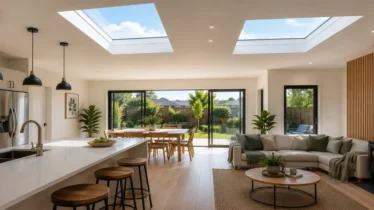
A couple in a modern Karaka home installed a large fixed skylight above their central island. After replacing it with a double-glazed, Low-E unit, the difference was immediate:
- No more overheated afternoons
- Flooring and benchtops no longer faded
- Room stayed cooler in summer without needing extra blinds
Bonus: Their lighting costs dropped because they could keep artificial lights off longer—even on cloudy days.
2. Queenstown: High Ceilings Meet Alpine Air
“We wanted warmth and light without losing insulation through the roof.”
A retired couple living in a passive-style home in Queenstown used Low-E skylights in their vaulted ceilings. The goal? Keep rooms sun-filled and warm—without letting all that warmth escape.
Low-E glass helped by:
- Reflecting internal heat back into the room during winter
- Blocking strong UV rays from intense alpine sun
- Preventing condensation on cold glass surfaces
U-values of 1.8 or lower made the difference in achieving their home’s energy targets.
3. Mount Maunganui: Bathroom Skylight Above a Freestanding Tub
“We wanted daylight without glare or privacy issues.”
A compact beachside bathroom needed light—but not intense sunlight or visibility from neighbouring homes. The solution:
- A Low-E, frosted skylight that maintained privacy
- Allowed gentle light to flood the space
- Protected timber features and soft finishes from UV damage
The client later added the same glass type to their hallway sun tube for consistency.
4. Christchurch: Renovated 1970s Brick Home with Internal Hallway
“We thought skylights would overheat the house in summer. We were wrong.”
A Christchurch homeowner retrofitted two skylights with Low-E, laminated glass into an internal hallway. The results:
- Diffused, even lighting throughout the day
- No hot patches or glare during midday hours
- Noticeable improvement in winter warmth retention
Low-E also helped avoid roof fade and deterioration over time by reducing internal heat bounce-back.
5. Nelson: Open-Plan Living with Coastal Breeze
“Natural light was important, but not at the cost of interior fading or glare.”
A family in Nelson opted for Low-E skylights with UV filtering above their open-plan lounge. They specifically wanted to:
- Preserve artwork and timber floors
- Prevent high-sun glare during summer months
- Add value to their eco-conscious build
The filtered light actually enhanced interior colour tones without dulling them.
What’s the Common Thread?
Across all of these homes, Low-E glass consistently:
- Improved daylight quality without discomfort
- Protected interiors from harsh UV damage
- Reduced heating/cooling loads, particularly in extreme climates
- Blended with architectural style, from rustic to modern
It’s not just a technical upgrade—it’s a lifestyle enhancement that supports healthy, comfortable living.
Quick Buyer Tips: Choosing Low-E Skylight Glass
If you’re planning a new build or retrofit, ask your installer:
- Is the Low-E coating on the inside pane (for double glazing)?
- What’s the U-value and SHGC (solar heat gain coefficient)?
- Is it combined with laminated or tinted glass for extra performance?
- Will it help with furniture fade, glare, or overheating?
Checklist: What to Ask Your Installer Before Choosing Skylight Glass
Final Thoughts: A Simple Upgrade with Big Everyday Benefits
Low-E skylight glass isn’t just a spec sheet buzzword—it’s a real, visible improvement to how your home feels every day.
Whether you live by the coast, up in the hills, or in a suburban subdivision, the right skylight glass brings in natural light without the side effects—just clean, bright comfort all year round.
Want help choosing the best skylight for your region and roof type?
We’ll connect you with a local, experienced installer who understands your light angles, home layout, and weather conditions.