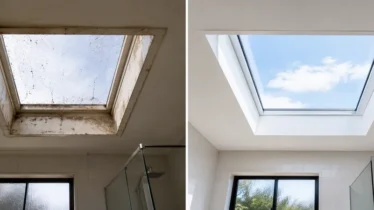
Skylight Installation Cost in Waikato: What Affects the Final Quote?
Most homeowners do not ask about skylight cost because they are curious.
They ask because they are trying to make a decision.
A hallway feels too dark. A bathroom needs better daylight. A kitchen island needs lights on during the day. A living room feels flat in winter. A garage conversion does not feel like a proper room yet. The homeowner can see the problem, but before going further, they need to understand whether a skylight is realistic for their home and budget.
That is why skylight installation cost in Waikato should be explained carefully.
A skylight quote is not only about the product sitting on the roof. The final cost can be affected by roof type, roof pitch, skylight size, product choice, access, ceiling structure, internal finishing, scaffolding, flashings, number of units, replacement work, electrical requirements and the complexity of making the installation weathertight.
Two homes may need the same size skylight but receive different quotes because the roof, ceiling and installation conditions are different.
This guide explains what affects the final quote, why a proper assessment matters, and what Waikato homeowners can send through to help Skylights NZ recommend the right option.
Why skylight pricing is not one-size-fits-all
It is tempting to look for one simple price.
But skylights are not like buying a standard light fitting or appliance. A skylight becomes part of the roof system, the ceiling and the room below. That means the quote needs to consider both the product and the installation environment.
A final quote may be affected by:
- The type of skylight
- The size of the skylight
- Whether the skylight is fixed, vented or tubular
- Roof type
- Roof pitch
- Roof access
- Flashing requirements
- Ceiling height and structure
- Internal lining and finishing
- Whether scaffolding or edge protection is required
- Whether the work is a new installation or replacement
- Whether electrical work is involved
- Whether blinds, controls or accessories are included
- The number of skylights being installed
- Whether the job is in Hamilton, Cambridge, Taupō, Te Awamutu, Matamata, Morrinsville or another Waikato area
This is why a responsible quote should not be based on one generic figure.
The right price needs to reflect the actual roof, room and outcome.
Product type affects cost
The type of skylight is one of the biggest cost factors.
Different products solve different problems.
Fixed skylights
A fixed skylight brings natural light into the room but does not open. It may suit living rooms, kitchens, bedrooms, home offices, larger bathrooms, entries and open-plan spaces where daylight is the main goal.
Fixed skylights can vary in cost depending on size, glazing, roof type, flashing requirements, internal finishing and installation complexity.
Vented skylights
A vented skylight opens to support airflow as well as daylight. It may suit some bathrooms, kitchens, upper-level bedrooms, high-ceiling rooms or stuffier spaces.
Vented skylights are usually more involved than fixed skylights because they include an opening mechanism. Depending on the product, they may also involve manual, electric or solar powered operation, controls, rain sensors or other features.
They should be chosen because airflow is a real need, not simply because they sound like the premium option.
Tubular skylights and Sky tubes
A tubular skylight or Sky tube brings daylight from the roof through a reflective tube and delivers it through a ceiling diffuser.
These can suit hallways, separate toilets, walk-in wardrobes, laundries, pantries, internal rooms and compact spaces where practical daylight is wanted without a large visible skylight.
The cost can depend on roof type, tube length, number of bends, ceiling location, diffuser choice and installation access.
The best product depends on the room problem. The cost follows that decision.
Skylight size affects the quote
Size matters, but bigger is not automatically better.
A larger skylight may suit a living room, open-plan kitchen or larger bathroom where stronger daylight is needed. A smaller skylight or tubular skylight may suit a hallway, laundry, separate toilet or wardrobe.
Size affects cost because it can influence:
- Product price
- Roof opening size
- Framing requirements
- Flashing requirements
- Internal finishing
- Installation time
- Light control requirements
- Whether more than one skylight is needed
A larger skylight may bring more daylight, but it may also increase the need to think about glare, blinds, heat, privacy and room comfort.
A smaller skylight in the right place can sometimes be more useful than a larger skylight in the wrong place.
The goal is not to install the largest option. The goal is to install the right option for the room.
Roof type affects installation cost
Roof type has a major impact on skylight installation.
Waikato homes may have metal roofs, tile roofs, long-run roofing, older roof profiles, low-pitch sections, concrete tile roofs, corrugated roofing or more complex roof designs.
The roof type affects:
- Flashing selection
- Installation method
- Weatherproofing detail
- Roof access
- Labour time
- Risk management
- Product suitability
- Whether additional roofing work may be needed
A skylight installation on one roof type may be more straightforward than on another. A roof with a simple profile, good pitch and easy access may be different from a roof with complex valleys, older tiles, tight access or existing penetrations nearby.
This is one of the main reasons photos of the roof are so useful when asking for a quote.
The roof tells part of the cost story before anyone even looks at the room below.
Roof pitch matters
Roof pitch affects how skylights are installed and flashed.
A suitable roof pitch helps water move correctly around the skylight and flashing system. Low-pitch roofs, complex rooflines or areas near valleys and gutters can require more careful assessment.
Roof pitch can affect:
- Product suitability
- Flashing choice
- Water flow
- Installation method
- Placement options
- Internal shaft design
- Whether additional detailing is needed
A skylight should not be placed only where it looks convenient from inside the room. It also needs to work properly with the roof above.
This is why a quote may change after roof photos or an on-site review.
The preferred ceiling location may need adjustment once the roof pitch and roof layout are properly considered.
Flashings are not optional details
Flashings are a critical part of skylight installation.
They help manage water where the skylight meets the roof. The correct flashing approach depends on roof type, roof profile, pitch, product choice and installation position.
Flashing requirements can affect cost because different roofs need different detailing.
A skylight quote should consider:
- Roof material
- Roof profile
- Skylight size
- Product flashing system
- Nearby valleys, ridges or gutters
- Water flow direction
- Roof condition
- Whether the skylight is new or replacing an existing unit
This is not the place to cut corners.
A skylight is only as good as the roof integration around it. A lower quote that ignores flashing complexity may cost more later if the installation does not perform properly.
Weathertightness should be treated as part of the value, not as an afterthought.
Ceiling structure and internal finishing
A skylight is not only installed on the roof.
The ceiling below matters too.
Some skylights require internal lining, trimming, plastering, painting or finishing around the ceiling opening. The amount of work depends on the ceiling type, ceiling height, roof cavity, internal shaft depth, room layout and final finish expected.
Internal finishing may be affected by:
- Ceiling height
- Flat or raked ceiling
- Roof cavity depth
- Trusses or rafters
- Existing lights, vents or fans
- Wiring
- Insulation
- Internal shaft shape
- Plastering requirements
- Painting requirements
- Room finish expectations
A tubular skylight or Sky tube may have a simpler internal ceiling diffuser in some rooms. A fixed or vented skylight may require more visible internal finishing, depending on the installation.
This is another reason two skylights of similar size may not cost the same.
The ceiling below the roof matters as much as the roof above the ceiling.
Access and safety requirements
Access can affect the final quote.
Some roofs are easy to access. Others may be steep, high, slippery, complex, close to boundaries, difficult to reach, or require additional safety measures.
Access may be affected by:
- Roof height
- Roof pitch
- Site layout
- Driveway access
- Landscaping
- Surrounding structures
- Weather exposure
- Whether the home is single-storey or multi-storey
- Internal ceiling height
- Stairwells or high voids
- Need for scaffolding, edge protection or other safety equipment
If scaffolding, edge protection or specialised access is required, that can affect the total cost.
This is not simply an added expense. It is part of doing the job safely and properly.
A professional quote should consider how the installer can complete the work safely, not just whether the product fits.
New installation vs replacement
A new skylight installation and a replacement skylight are different types of work.
New installation
A new installation may involve cutting a new roof opening, forming or adjusting framing, installing the skylight, flashing, sealing, internal lining and finishing.
The cost depends on where the skylight is going, what product is being installed, and how the roof and ceiling are constructed.
Replacement
A replacement may seem simpler, but that is not always the case.
Replacing an old skylight may involve:
- Removing the existing unit
- Assessing the roof opening
- Checking old flashing
- Reviewing water damage, if present
- Matching or adapting the opening size
- Updating internal finishing
- Managing older roof materials
- Choosing whether to repair, replace or upgrade
A replacement may be straightforward if the opening, roof and product match well. It may be more involved if the existing skylight is old, leaking, poorly installed, damaged or non-standard.
The quote should reflect what is actually found.
Number of skylights
The number of skylights affects the quote, but not always in a straight line.
Installing multiple skylights may increase the total cost because there are more products, more roof penetrations, more flashing work and more internal finishing. However, there can sometimes be efficiencies when multiple units are installed during the same visit, depending on the job.
Multiple skylights may be considered for:
- Long hallways
- Larger open-plan spaces
- Multiple bathrooms
- Kitchen and pantry combinations
- Bedroom and wardrobe combinations
- Whole-home daylight upgrades
- Renovation projects
The right number depends on the room layout and daylight need.
A long hallway may need more than one daylight point. A large open-plan room may need better spread rather than one oversized skylight. A home with several dark internal rooms may need a staged approach.
A quote should look at the whole daylight problem, not just one isolated opening.
Product features and accessories
Optional features can affect the final cost.
Depending on the skylight type, homeowners may consider:
- Manual or powered opening
- Solar powered operation
- Rain sensors
- Remote controls
- Blinds
- Light control options
- Diffuser options
- Additional tube sections
- Flashing options
- Glazing options
- Insect screens, where applicable
- Other product-specific accessories
Not every room needs these features.
For example, a hallway tubular skylight may not need blinds or ventilation. A bedroom skylight may need light control. A bathroom may need airflow consideration. A high stairwell may need powered operation if a vented skylight is chosen.
Accessories should be chosen because they solve a real room issue.
They should not be added simply because they exist.
Electrical work may affect cost
Some skylight installations may involve electrical work, depending on product type and features.
Electrical considerations may apply where there are:
- Electric opening skylights
- Powered blinds
- Controls
- Sensors
- Lighting changes
- Ceiling light relocation
- Fan relocation
- Wiring near the skylight location
A basic fixed skylight may not require electrical work. A manual product may avoid it. A solar powered product may have different requirements depending on the system. But if wiring, controls, lights or fans need to be moved or added, that can affect cost.
Electrical work should be handled appropriately and included or excluded clearly in the quote.
Homeowners should check whether the quote includes electrical work, excludes it, or requires a separate trade.
Clarity matters.
Building consent and compliance considerations
Some skylight projects may require additional consideration around building consent, compliance or council requirements. This depends on the scope of work, property, roof structure, product type and nature of the installation.
A straightforward like-for-like replacement may be different from a new structural opening or a larger renovation project. A garage conversion, bathroom renovation or major roof alteration may also involve wider compliance considerations.
Homeowners should not assume every skylight job is the same.
Before proceeding, it is worth confirming:
- Whether the proposed work is a new installation or replacement
- Whether structural framing is affected
- Whether the work is part of a larger renovation
- Whether consent or professional advice may be required
- Whether any council or compliance matters apply
- What is included in the quote
- What is excluded unless specifically noted
A skylight quote should be transparent about these matters.
If consent, engineering, electrical, painting, plumbing or other trades are not included, that should be clearly stated.
Location within Waikato can affect logistics
Waikato is a large region.
A job in central Hamilton may have different logistics from a job in Taupō, Te Awamutu, Matamata, Morrinsville, Huntly, Ngāruawāhia, Cambridge, Raglan, Thames or a rural property.
Location can affect:
- Travel time
- Scheduling
- Installer availability
- Access to the property
- Freight or product delivery
- Whether multiple jobs can be grouped
- Rural driveway or site access
- Weather exposure
- Accommodation or travel considerations for some locations
This does not mean regional jobs are automatically difficult. It simply means location can be part of the quote and scheduling discussion.
For rural Waikato homes and lifestyle blocks, photos and clear access details can help avoid surprises.
The more practical information supplied upfront, the better.
Timing and urgency
Timing can affect planning.
Some homeowners want a skylight installed quickly because a room feels dark in winter. Others are planning ahead for a renovation, roof replacement, bathroom upgrade, kitchen remodel or spring project.
A quote may need to consider:
- Product availability
- Installer scheduling
- Weather windows
- Roofing work coordination
- Renovation timelines
- Whether scaffolding is already on site
- Whether multiple trades are involved
- Whether the work needs to be staged
If a skylight is part of a renovation, it is usually better to discuss it early. That way placement can be coordinated with ceilings, lighting, cabinetry, plastering, painting and roof work.
A rushed skylight decision can lead to compromise.
A well-timed skylight decision can reduce double-handling and improve the final result.
Room type affects what should be included
Different rooms need different quote considerations.
Bathroom
May need privacy, ventilation, extraction and moisture considerations.
Kitchen
May need glare review, rangehood separation, benchtop placement and ceiling coordination.
Hallway
May need diffuser placement and possibly more than one daylight point.
Bedroom
May need blinds, sleep comfort and privacy review.
Living room
May need glare control, TV placement and year-round comfort planning.
Laundry
May need daylight and ventilation discussed separately.
Pantry or wardrobe
May suit a tubular skylight or Sky tube rather than a full skylight.
Stairwell
May need access, cleaning, glare and step visibility considered carefully.
The room tells us what the skylight needs to achieve.
A good quote should reflect the room’s purpose, not just the roof opening.
Why photos help us quote better
Photos help turn a vague enquiry into a useful assessment.
A homeowner may say, “We want a skylight in the hallway,” but the quote depends on more than that.
Photos can show:
- The room layout
- Ceiling position
- Existing lights, fans or vents
- Where daylight is missing
- Roof type
- Roof pitch
- Access conditions
- Possible obstructions
- Whether the room suits a fixed, vented or tubular option
- Whether the roof area above the room looks straightforward or complex
Photos do not replace a full assessment in every case, but they make the first recommendation much more accurate.
They also help avoid quoting the wrong product or missing an important installation factor.
For cost conversations, photos are one of the most useful things a homeowner can provide.
What to send for a Waikato skylight quote
To help Skylights NZ prepare a useful recommendation, send:
- Photos of the room from several angles
- A photo of the ceiling
- A photo of the darkest part of the room
- Photos of existing windows or doors
- Roof photos above or near the room, if possible
- The approximate room size
- The roof type, if known
- Whether the home is in Hamilton, Cambridge, Taupō, Te Awamutu, Matamata, Morrinsville or another Waikato location
- Whether the room is single-storey or upper level
- Whether the home has easy roof access
- Whether the skylight is for daylight only or daylight plus airflow
- Whether you are considering fixed, vented, tubular skylight or Sky tube options
- Whether blinds or light control may be needed
- Whether the work is a new installation or replacement
- Whether renovation or roofing work is planned
- Whether there are existing leaks, damage or roof concerns
This information helps identify the right product, likely installation complexity and next steps.
A good quote starts with a clear understanding of the room and roof.
What should be clear in the quote
A good skylight quote should make the scope clear.
Homeowners should be able to understand what is included and what is not.
A quote may need to clarify:
- Product type and size
- Quantity
- Roof flashing requirements
- Installation scope
- Internal finishing scope
- Whether painting is included or excluded
- Whether electrical work is included or excluded
- Whether scaffolding or access equipment is included
- Whether rubbish removal is included
- Whether GST is included or excluded
- Payment terms
- Quote validity
- Estimated timing
- Any assumptions
- Any exclusions
- Any areas needing further assessment
Clarity protects both the homeowner and the installer.
It also helps avoid misunderstandings later.
A cheaper-looking quote is not always better if it leaves out important scope items.
Why the cheapest quote may not be the best value
With skylights, value is not only about price.
A skylight becomes part of the roof. That means installation quality, flashing, product suitability, internal finishing and weathertightness matter.
A cheap quote may not be good value if it:
- Uses the wrong product for the room
- Ignores roof complexity
- Leaves out flashing requirements
- Excludes internal finishing without explaining it
- Does not address access or safety
- Avoids discussing glare, ventilation or blinds
- Fails to identify roof condition issues
- Does not state exclusions clearly
- Provides a generic price without enough information
A good skylight quote should feel clear, practical and considered.
The aim is not to pay more than necessary. The aim is to avoid paying for the wrong solution.
The best value comes from matching the product, installation and room outcome properly.
How to compare skylight quotes
When comparing quotes, do not look at the final number only.
Compare the scope.
Ask:
- Are the products the same type and size?
- Are the flashings suitable for the roof?
- Is internal finishing included?
- Is painting included or excluded?
- Is electrical work included or excluded?
- Is scaffolding or access equipment included?
- Are blinds or controls included?
- Is rubbish removal included?
- Are GST and payment terms clear?
- Are assumptions and exclusions listed?
- Does the quote address the room problem?
- Does the quote explain why this product is suitable?
Two quotes may not be comparing the same work.
One may include more finishing, safer access or a more suitable product. Another may appear cheaper because it leaves out important details.
A proper comparison looks at value, not just price.
Common reasons a quote changes after assessment
Sometimes an initial estimate changes after more information is provided.
This can happen if:
- The roof type is different from expected
- The roof pitch is lower or more complex
- The ceiling cavity is limited
- Trusses, rafters or services affect placement
- Access is more difficult than expected
- Scaffolding is required
- The preferred location is unsuitable
- Internal finishing is more involved
- Existing skylight damage is found during replacement
- Electrical work is needed
- The homeowner changes product type, size or quantity
- Blinds or accessories are added
- The job location affects logistics
This is normal in building-related work.
The important thing is communication.
A good quoting process should explain why the cost changes and what has been discovered.
Budgeting for a skylight project
When budgeting, homeowners should think beyond the product.
A realistic skylight budget may need to consider:
- Product
- Flashings
- Installation
- Internal finishing
- Painting
- Access or scaffolding
- Electrical work, if required
- Blinds or controls, if required
- Travel or logistics
- Consent or professional advice, if applicable
- Any roof repair or preparation work
- Contingency for older homes or replacements
Not every job will involve all of these items.
But knowing what can affect the quote helps homeowners avoid surprise.
If budget is a concern, it is better to discuss priorities early. Sometimes a tubular skylight or Sky tube may solve a compact-room problem more efficiently than a larger fixed skylight. Sometimes a fixed skylight is the right investment for a living room or kitchen. Sometimes a staged approach makes sense.
Good budgeting starts with the room’s actual need.
Should you install one skylight now or plan multiple?
Some Waikato homeowners start with one dark room and then realise several spaces need better daylight.
This is common in homes with:
- Dark hallways
- Internal toilets
- Walk-in wardrobes
- Pantries
- Laundries
- South-facing bedrooms
- Open-plan rooms with dull zones
- Garage conversions
- Stairwells
It may be worth asking whether the home needs one skylight or a broader daylight plan.
Installing multiple skylights at once may not always be necessary, but planning them together can help with product selection, placement, scheduling and internal consistency.
A staged approach may also work.
For example, a homeowner may start with a dark hallway and bathroom, then later consider the kitchen or living room.
The key is to avoid treating each room as unrelated if the home has a wider daylight issue.
Illustrative example only
A Waikato homeowner asks for a skylight quote for a dark hallway. At first, it sounds like a simple job. But after reviewing photos, the hallway appears long and narrow, with the darkest section in the middle. The roof above is metal, and there are existing lights and ducting in the ceiling cavity.
A single fixed skylight may not be the most practical answer. A tubular skylight or Sky tube may be better suited to the hallway, and depending on length, more than one daylight point may need consideration.
In another home, a Hamilton kitchen island lacks daylight, and the roof above has a straightforward layout. A fixed skylight may be a better match because the room needs stronger overhead daylight in a working zone.
Both homeowners ask about skylight installation cost.
The answer is different because the rooms, roofs and desired outcomes are different.
When cost should not be the first question
Cost matters, but it should not be the only question.
Before asking, “How much is a skylight?”, it is worth asking:
- What room problem are we solving?
- Does the room need daylight, airflow or both?
- Would a tubular skylight be enough?
- Does the room need a fixed skylight?
- Would a vented skylight be genuinely useful?
- Is glare or light control a concern?
- Is the roof suitable?
- Is this part of a larger renovation?
- What finishing level is expected?
- What information can we provide for a better quote?
A better question leads to a better quote.
The goal is not just to install a skylight. It is to improve the room in a way that feels right for the home.
Planning your next step
If you are trying to understand skylight installation cost in Waikato, the most useful first step is to share clear photos and context.
The final quote will depend on the room, roof type, skylight product, size, access, flashing requirements, internal finishing, number of units and whether the job is a new installation or replacement.
Skylights NZ can help review whether a fixed skylight, vented skylight, tubular skylight or Sky tube is likely to suit your room and roof.
To start planning your options, use the Skylights NZ enquiry form:
https://inquiry.skylights.co.nz/inquiry
You may also find these useful:
- Skylight installation services
- Request a skylight quote
- Skylight options for NZ homes
- Fixed or Vented Skylight for a Waikato Home: How to Choose Room by Room
- Getting a Skylight Quote in Waikato: What Photos and Details Help Us Recommend the Right Option
FAQs
How much does skylight installation cost in Waikato?
Skylight installation cost in Waikato depends on the product type, skylight size, roof type, roof pitch, flashing requirements, access, internal finishing, number of skylights and whether the work is a new installation or replacement. A proper quote needs photos and project details rather than a single generic price.
What affects the cost of a skylight quote?
The main cost factors include product type, size, fixed or vented operation, tubular skylight or Sky tube requirements, roof type, roof pitch, flashings, ceiling structure, internal lining, scaffolding, electrical work, blinds, location and installation complexity.
Is a tubular skylight cheaper than a fixed skylight?
A tubular skylight or Sky tube may be a more practical option for compact rooms such as hallways, toilets, wardrobes, laundries and pantries. Whether it costs less depends on roof type, tube path, bends, diffuser location and installation complexity. The best option should be based on the room’s daylight need.
Why do skylight quotes vary between homes?
Skylight quotes vary because each home has different roof conditions, ceiling structure, access, room layout, finishing requirements and product suitability. Two homes may need a similar daylight outcome but require different installation work.
Do skylight quotes include painting and electrical work?
Not always. Painting, plastering, electrical work, blinds, scaffolding, consent-related work and other trades may be included or excluded depending on the quote. Homeowners should check the inclusions and exclusions carefully before approving the job.
What should I send to get a more accurate skylight quote?
Send photos of the room, ceiling, darkest area, roof above or near the room, existing windows, and any lights, fans or vents. Include the room size, roof type if known, location in Waikato, whether the skylight is for daylight or airflow, and whether the job is a new installation or replacement.