Skylights in character homes: more light for villas and bungalows without losing charm
Polished floorboards, high ceilings, timber doors with old glass panels – there is a particular feeling when you walk into a New Zealand villa or bungalow. The house has a sense of history and weight that many newer builds are still chasing.
But along with that charm often comes something less welcome: gloomy hallways, dim kitchens and south-facing rooms that never quite feel fully awake, even on a bright day.
In suburbs like Grey Lynn, Mt Eden, Thorndon, St Clair or older pockets of Christchurch, owners often face the same tension:
“We love the character – we just wish it wasn’t so dark.”
Skylights can be a powerful way to lift the light levels in these homes. Yet many people worry that overhead windows will look too modern, clash with the roofline, or strip away the very features that make the house special.
This article is about using skylights carefully in villas and bungalows so you can:
- brighten key spaces without losing period detail
- respect original roof forms and street presence
- make the home feel more liveable, not less authentic.
Illustrative Example Only: “Our villa hallway in Wellington was the one part of the house we never enjoyed. We added two small, carefully detailed skylights in line with the ceiling roses. Now it feels like the heart of the home instead of a tunnel.”
1. Understanding how character homes were originally lit
Before changing anything, it helps to understand what these homes were designed for.
Traditional NZ villas and bungalows often feature:
- central hallways running from front door to back
- rooms opening off each side, with one main window per room
- smaller high-level windows or leadlight panels around doors
- rooflines designed for chimneys, not skylights.
They were built in a time when:
- sections were often generous and less overshadowed
- trees were smaller
- expectations about light levels were different.
Fast forward a few decades, and you may be dealing with:
- neighbouring houses built closer and taller
- mature trees blocking parts of the sky
- added rooms, lean-tos and extensions that changed how light flows.
The result is a home with beautiful details but uneven daylight – bright near some windows, dull or flat in the centre.
Skylights are not there to erase the original design, but to support it, giving the light a few extra paths in.
2. Where skylights make the biggest difference in character homes
You do not need to fill a villa roof with glass to feel a change. Often, a few carefully chosen locations are enough.
Long central hallways
The classic villa hallway can feel like a tunnel, even when the rooms off it are bright.
Skylights here can:
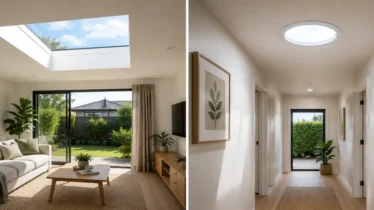
- create a soft spine of light that runs the length of the house
- make doorways feel more inviting when opened
- help original features such as archways and timber detailing stand out.
Kitchens that ended up in the darker half
Many villas and bungalows have had kitchens relocated over time. Sometimes they end up:
- on the southern side of the house
- tucked into older lean-tos or extensions
- sharing light with only one modest window.
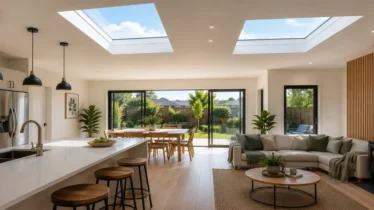
A skylight over a bench, island or sink can make food prep areas feel like they belong in a much more modern home, without changing the core structure.
Bathrooms and laundries with borrowed light
Internal or semi-internal bathrooms are common in older homes. Skylights can:
- bring in daylight where privacy makes side windows difficult
- support ventilation when paired with extraction
- help spaces feel fresher and less cramped.
The key is to select just enough skylights to change how the house feels, not to chase a show-home level of brightness that might jar with the character.
3. Respecting rooflines and street presence
One of the biggest concerns owners have is how skylights will look from the outside. In character streets, rooflines are part of the overall charm.
Thoughtful planning can protect this.
Keeping the front elevation quiet
Where possible:
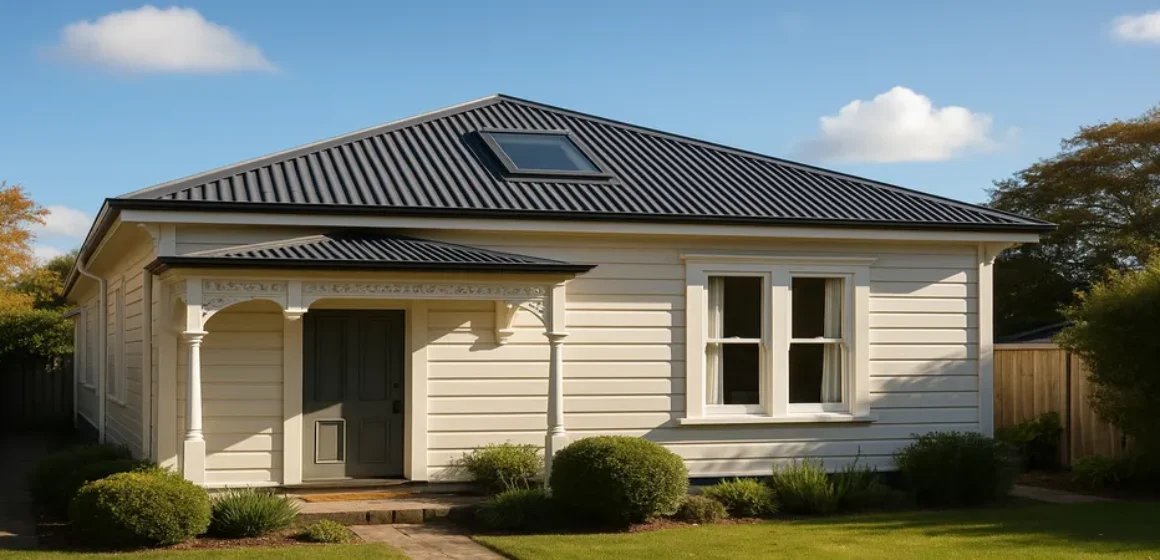
- prioritise skylights on the rear or less visible roof planes
- avoid cluttering the main street-facing elevation
- work with existing ridges and valleys instead of cutting across them.
In many homes, this still allows good options over the hallway, kitchen or rear living areas that most need light.
Choosing forms that sit comfortably on older roofs
Your installer can suggest products and flashing details that:
- suit corrugated metal or older tile roofs
- keep profiles relatively low and neat
- avoid visually competing with chimneys or gables.
From the street, the best skylight installations on character homes often disappear into the roofline unless you are deliberately looking for them.
4. Working with interior character details
Inside, the goal is to have skylights feel as though they belong to the same story as the rest of the house.
Aligning with existing features
Where possible, consider:
- centring skylights in line with ceiling roses, archways or doorways
- keeping shafts simple and crisp so they act as a quiet frame for the light
- using trims that coordinate with existing architraves and skirting boards.
This helps avoid the “new hole in an old ceiling” look and instead feels like a considered part of the renovation.
Respecting ceiling shapes
Older homes may have:
- gently coved ceilings
- varied ceiling heights between original rooms and later additions
- decorative plasterwork.
Skylight shafts can be designed to sit comfortably within these constraints, sometimes by:
- stopping the shaft short of ornate plasterwork
- keeping shaft lines straight and clean so they do not compete with curves
- using paint colours that blend with existing ceilings rather than contrast sharply.
The result should be a ceiling that still reads as a villa or bungalow – just one that has more life in the middle of the day.
5. Managing heat, glare and privacy in older layouts
Character homes were not built with modern insulation or glazing. When adding skylights, it is important to think about comfort as well as style.
Heat and insulation
- Choose double-glazed skylights to avoid adding a weak point in the thermal envelope.
- Ensure shafts are properly insulated, not left as bare framing.
- Consider how the room is heated – wood burner, heat pump, radiators – and position skylights to complement, not fight, those systems.
Glare control
Because many villas and bungalows have polished floors and light walls, glare can be noticeable if skylights are placed without thought.
Options include:
- diffusing lenses or glass to soften direct sun
- careful placement to avoid harsh light on TV screens or eye lines
- integrated blinds where strong sun is expected at certain times of day.
Privacy
In denser villa suburbs, it is worth checking:
- nearby upstairs neighbours or taller properties
- whether any lines of sight into bathrooms or bedrooms might be created.
A good installer can suggest configurations that maintain light without compromising privacy, especially in bathrooms.
6. Talking to the right professionals – and what to bring
Skylights in character homes work best when architect/designer, installer and homeowner are on the same page.
What to discuss with your designer or architect
- Which rooms feel most out of step with how you live now?
- How might overhead light support the changes you are making?
- Are there structural or heritage constraints that affect where skylights can go?
What to ask a skylight installer
- Experience working on villas, bungalows or heritage streets in your region.
- Product options suited to your roof type, climate and interior style.
- How they handle flashing, insulation and finishing to protect both performance and appearance.
Bringing photos of the interior and exterior, as well as any existing plans, helps everyone see the same picture.
7. A light-touch path: starting small in a character home
If you are nervous about making big changes, it is completely reasonable to start with a single, strategic skylight.
Common starting points include:
- one skylight in the darkest section of the hallway
- one above a kitchen work zone that always feels gloomy
- one in an internal bathroom where you currently rely on artificial light all day.
This approach lets you:
- experience how overhead light changes the feel of the house
- build trust in the detailing and appearance
- decide whether further skylights would be helpful or unnecessary.
Illustrative Example Only: A family in Dunedin began with one skylight in their hallway. A year later, after living with the change, they added a second in the kitchen and decided not to touch the bedrooms – the balance felt right.
8. Next steps – honouring your home while making it easier to live in
Character homes are often bought with the heart as much as the head. The goal with any skylight work is to honour that emotional connection while quietly fixing the parts that do not work as well in modern life.
If you are considering skylights for a villa or bungalow:
- walk through your home and notice where you consistently think “I wish this was a bit lighter”
- take photos of those spaces at different times of day
- gather any plans or roof information you already have.
When you are ready, Skylights.co.nz can help you connect with installers around New Zealand who understand both the technical and aesthetic sides of working with older homes.
Make an enquiry via Skylights.co.nz
FAQs – skylights in NZ villas and character homes
Q1. Will adding skylights ruin the character of my villa or bungalow?
Not if they are planned and detailed carefully. Positioning, shaft design, trims and roofline appearance can all be handled in a way that supports the home’s character rather than fighting it.
Q2. Are skylights allowed in heritage or character zones?
Many homes in character areas do include skylights, but there may be extra considerations around street-facing roofs and visible changes. Your designer or architect can advise on any local planning requirements for your property.
Q3. Can my older roof structure handle new skylights?
In many cases, yes – with the right structural checks and detailing. A qualified installer will assess rafter spacing, roof condition and any necessary strengthening before recommending options.
Q4. Will skylights make my already-draughty villa colder?
Modern, well-installed skylights with good glazing and insulated shafts should not make the home noticeably colder. In some cases they can help balance temperatures by bringing more controlled light and, where appropriate, ventilation.
Q5. Do I need to replace the entire roof to add skylights?
Not usually. Skylights are often added as part of targeted roofing work or renovations. However, if your roof is at the end of its life, it may be cost-effective to coordinate skylight installation with a re-roof.
Q6. Who is the best person to speak to first – my architect, builder or a skylight specialist?
If you already have an architect or designer, start there and flag that skylights are a priority. In parallel, speaking with a skylight installer early can provide practical input on what is feasible, so the design team can plan around it.