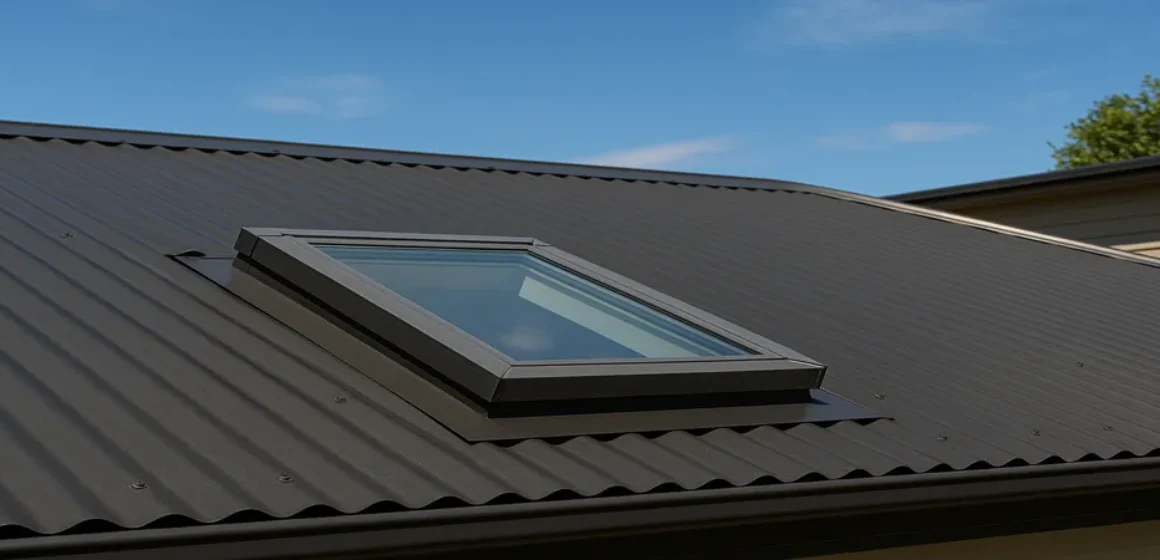
Storm season ready: your skylight maintenance checklist before the next southerly
The first strong southerly of the season has a way of changing how we see our homes. One minute the sky is clear; the next, dark clouds roll in, the wind picks up, and you suddenly remember the faint stain near the skylight you meant to check months ago.
In New Zealand, heavy rain, gusty winds and fast-moving fronts are part of life. For skylights, these conditions are a real test of how well the roof, flashing and glazing are performing. Most modern skylights are designed to cope well, but small issues left unattended can become bigger problems once the weather turns.
This article gives you a calm, practical skylight maintenance checklist to work through before storm season arrives:
- simple indoor checks you can safely do yourself
- what to observe on the roofline from ground level
- early warning signs that need attention
- when it is time to bring in a professional.
Illustrative Example Only: “We noticed a faint mark near our hallway skylight last winter but ignored it. After one particularly wild night, the mark had spread. If we had called someone earlier, we probably could have avoided replacing part of the ceiling.”
The goal is not to turn you into an installer, but to help you spot issues early, ask better questions, and feel more confident when the forecast shows rain and wind icons for the next few days.
1. Why storms expose weak points around skylights
On a still day, a skylight that is only just coping may not show obvious problems. Storm conditions are different. They combine three elements that can reveal weaknesses:
- Wind-driven rain – Water is pushed sideways and upwards, testing flashings and seals in ways light rain does not.
- Heavy, sustained downpours – Roof areas may briefly hold more water, increasing the pressure on drainage paths around flashings.
- Pressure differences – Strong gusts can increase the strain on joints, seals and older glazing.
In regions like Wellington, the West Coast, Taranaki and coastal Auckland, this is particularly noticeable. But even inland Canterbury and Central Otago can see strong winds and sudden downpours.
A well-installed skylight with sound flashings, intact sealants and a healthy roof around it should handle these conditions. The skylight is rarely the only factor; it is part of a larger roof system that needs to be in good condition as a whole.
2. Inside the home: quick checks you can do in a few minutes
You do not need to get on the roof to start assessing skylight condition. Some of the best clues are visible from inside.
Ceiling and paintwork
Stand under each skylight and look carefully at the surrounding ceiling and shaft:
- Do you see brown or yellowish stains radiating out from one corner?
- Is there peeling, bubbling or cracking paint near the junctions?
- Are there any hairline splits where the shaft meets the ceiling?
Light, even staining might relate to condensation over time, while sharper, ringed stains can suggest water tracking from a specific point.
Shaft and linings
If your skylight has a shaft between the roof and the room:
- Check for soft patches or areas that feel different to the touch.
- Look for fine mould spots, especially in corners.
- Note any areas where the finish looks damp or powdery.
These can indicate moisture has been present for a while, even if it is currently dry.
Glazing and frames
From inside the room, gently inspect:
- the edges of the glazing, where it meets the frame
- any visible seals or gaskets
- the frame itself, for signs of discolouration or corrosion.
A small amount of light condensation can be normal in colder months, but consistent dampness along the frame can signal that water is reaching places it should not.
If you notice anything concerning, make a note now. It is much easier to describe a pattern to an installer when you have already observed it calmly, rather than in the middle of a heavy storm.
3. Ground-level roofline checks – what you can safely observe
Roof work should always be approached with caution. Many homeowners are not comfortable getting on a roof, and that is perfectly reasonable. There is still value in simply looking up from the ground or from a safe upper-storey window.
What to look for from below
- Debris build-up – Are there leaves, branches or moss gathering around the skylight area?
- Visible gaps – Do you see any obvious spaces between the flashing and the roof cladding?
- Damaged roofing – Are nearby tiles cracked, slipped or missing? Is metal roofing visibly bent or lifted?
In leafy suburbs of Auckland and Wellington, or near large trees in regional towns, debris can quietly collect around skylights, interrupting proper water flow.
Using photos for clarity
If you can safely take photos from an upstairs window or a solid vantage point, they can be very helpful later. Try to capture:
- the skylight and immediate roof area
- any visible debris build-up
- close-ups of anything that looks out of place.
These images can be shared with an installer to give them an initial sense of the situation before they visit.
4. Your storm season skylight maintenance checklist
To make things practical, here is a simple checklist you can work through before the next stormy period.
Indoor checks
- Look for stains, peeling paint or bubbling around each skylight.
- Check shafts for soft spots, mould or damp-looking areas.
- Note any recurring condensation patterns or pooled moisture.
- Make a quick record (notes or photos) of anything unusual.
Roofline observations from ground level
- Scan for leaves, branches or moss around skylight areas.
- Check for visibly cracked tiles or distorted metal near skylights.
- Look for any obvious gaps where flashings meet roofing.
Ventilation and moisture habits
- Confirm extractor fans in bathrooms and kitchens are working well.
- Use fans during and after showers and cooking, especially in humid regions.
- Avoid drying clothes indoors near skylight shafts where possible.
After the next heavy rain
Once a strong front has passed:
- Re-check the same areas inside for new marks or changes.
- Note any drips or damp smells that appeared during the storm.
- If new issues show up, plan to contact an installer while the details are fresh.
Illustrative Example Only: A family in New Plymouth used a checklist like this before a forecast run of heavy rain. They noticed a small crack in a nearby tile while checking from the ground. Their roofer replaced it and adjusted the flashing before the storm, avoiding what could have become an active leak.
5. Red flags that should not wait for another season
Some signs are best treated as “call sooner rather than later” rather than items for a long-term watch list.
Persistent damp patches
If an area around a skylight stays damp or discoloured regardless of weather, it suggests that moisture is present more often than it should be.
Drips during rain or wind
Any dripping, even if it seems minor, is worth investigating quickly. Water can travel along framing and appear some distance from the true entry point.
Rapidly spreading stains
A stain that grows noticeably after one storm or over a short period indicates that water is actively finding a path. Left alone, this can damage plasterboard, timber and insulation.
Visible damage to flashings or roof cladding
If you or a professional can see bent, lifted or corroded flashings, or roofing that has clearly been disturbed, it is wise to book a repair before the next big weather system.
Treat these signs as an invitation to act, not a reason to panic. Early attention is usually far simpler and less costly than waiting until a ceiling patch fails during a storm.
6. Region-specific considerations across New Zealand
Storm behaviour and roof exposure vary around the country. A few regional patterns are worth keeping in mind.
Wellington and the lower North Island
- Strong, gusty winds can push rain under poorly detailed flashings.
- Hillside homes may have exposed roof faces that take the brunt of southerlies.
- Pay attention to any movement or noise around skylights in high winds.
West Coast and Taranaki
- Frequent, heavy rain means skylight and roof drainage paths must stay clear.
- Moss and lichen can build up quickly, especially around slower-draining areas.
- Regular visual checks for debris are particularly important.
Auckland and Northland
- Subtropical downpours can be intense, even if brief.
- Humidity and tree cover contribute to both debris and moisture levels.
- Condensation and storm-related leaks can intersect, so clear notes and timing records are useful.
Canterbury and Otago
- Cold, clear nights and nor’westers can both stress roofing systems.
- Skylights in older villas and bungalows may sit on roofs that have seen several generations of repair.
- Pre-storm checks are helpful where older roofs meet newer skylights.
Recognising how your region behaves in bad weather makes it easier to understand what you are seeing when you look up.
7. Simple upgrades that can improve storm resilience
You may not need a full replacement to improve performance. Sometimes targeted upgrades make a big difference.
Flashing and sealing improvements
An installer may be able to:
- re-detail or replace flashings around an existing skylight
- refresh sealants where they have aged or cracked
- tidy up minor roofing issues that affect water flow.
Upgrading older skylights
If your skylight is decades old, consider whether:
- upgrading to a modern unit with better design and materials
- improving shaft insulation and finishes at the same time
- reviewing placement and sizing while work is happening
could give you not only better storm performance, but improved comfort and energy efficiency year-round.
8. When to bring in a professional
It is reasonable to handle basic observation and record-keeping yourself. Professional help becomes important when:
- you see active leaks, rapid staining or damaged materials
- access to the roof is difficult or unsafe
- you are unsure whether an issue is cosmetic, condensation or a true weathertightness problem.
Experienced installers and roofers bring:
- an eye for patterns – where water is likely to be entering
- knowledge of NZ Building Code expectations around weathertightness
- familiarity with how different skylight brands and roof types behave in storms.
If in doubt, it is better to ask for an expert opinion before the next storm cycle rather than after.
When you are ready, Skylights.co.nz can help connect you with trusted installers who understand local conditions and can advise on both maintenance and replacement options.
9. Next steps – getting storm ready with confidence
Storms are part of New Zealand life, but worry does not have to be. A short, focused skylight maintenance checklist completed before the season starts can:
- highlight minor issues before they escalate
- give you clearer information to share with professionals
- provide peace of mind when the wind and rain pick up.
If you would like help interpreting what you are seeing around your skylights, or you are considering maintenance or upgrades before the next storm season, you can reach out for tailored guidance.
Make an enquiry via Skylights.co.nz
A brief description of what you have noticed – and a few photos if you have them – is often enough for an installer to suggest sensible next steps.
FAQs – storm season skylight maintenance in NZ
Q1. How often should I check my skylights for storm readiness?
It is sensible to do a basic check at least once a year, ideally before your region’s main stormy period. If your home is in a very exposed or tree-heavy area, you may wish to check more often.
Q2. Do I need to get on the roof to inspect my skylights?
Not necessarily. Many useful checks can be done from inside the home and from ground level. If roof access is tricky or feels unsafe, it is better to ask a professional installer or roofer to inspect the skylights for you.
Q3. What is the most common storm-related skylight issue in NZ?
Often, the issue is not the skylight itself but the surrounding roof – things like cracked tiles, debris build-up or ageing flashings that allow water to track towards the skylight area during heavy rain and wind.
Q4. Will a small stain near my skylight always get worse in storms?
Not always, but it is a sign worth monitoring. If the stain grows, darkens or feels damp after rain, it is wise to have it checked. Early attention often prevents more extensive repairs later.
Q5. Can regular maintenance extend the life of my skylight?
Yes. Keeping flashings clear, checking for early signs of wear, and addressing minor issues promptly can all help a skylight continue performing well through many storm seasons.
Q6. Who should I contact if I discover a leak during a storm?
A qualified skylight installer or roofing professional is usually the best first call. If there is active water entering your home, you may also need a builder or interior repair specialist once the source of the leak has been fixed.