West Coast Rainy Days: Skylights Designed for High Precipitation Areas
The West Coast of New Zealand is known for its lush landscapes and abundant rainfall, making it one of the wettest regions in the country. While the frequent rain contributes to the region’s natural beauty, it also presents challenges for homeowners seeking to brighten their interiors. Skylights and sun tubes are an excellent solution for introducing natural light into homes, even during overcast days, but they must be designed to handle high precipitation effectively.
In this article, we’ll explore the best skylight designs and features for rainy regions, ensuring durability, efficiency, and style for West Coast homes.
1. Challenges of Rainy Climates on Skylights
Rainy climates like the West Coast present specific challenges for skylight installations:
- Waterproofing: Ensuring that skylights are watertight to prevent leaks during heavy rain.
- Condensation: Managing moisture buildup that can lead to mould or mildew.
- Durability: Protecting skylights from the impact of high winds and heavy rain.
Skylights designed for these conditions must prioritise weather resistance and energy efficiency.
2. Benefits of Skylights in Rainy Regions
Despite the challenges, skylights offer several benefits for homes in wet climates:
a) Brightening Dark Spaces
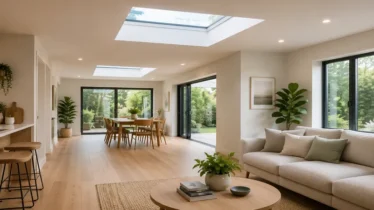
- Skylights and tubular sun tubes bring natural light into homes during overcast days, reducing the need for artificial lighting.
b) Creating Warm and Welcoming Interiors
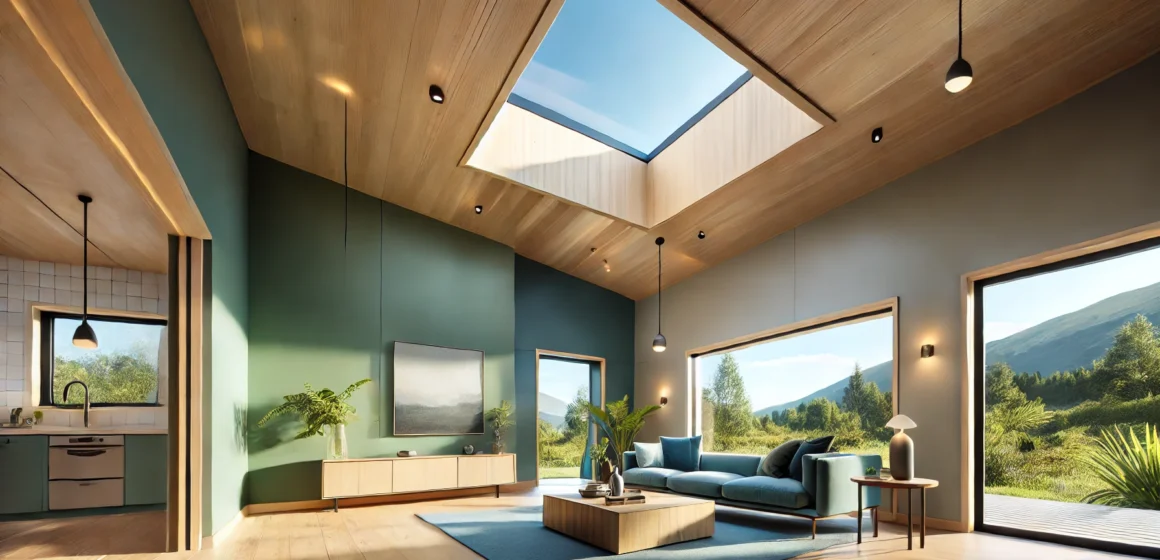
- Well-lit interiors feel warmer and more inviting, even on the gloomiest days.
c) Energy Savings
- Natural light reduces reliance on electricity, cutting costs and supporting eco-friendly living.
Example:
A Greymouth homeowner installed insulated skylights in their living room, brightening the space and cutting lighting costs by 15%.
3. Best Skylight Designs for High Precipitation Areas
The right skylight design ensures functionality and resilience in rainy climates:
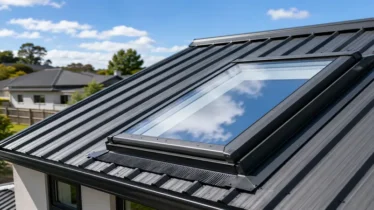
a) Fixed Skylights with Sealed Frames
- Ideal for areas where ventilation isn’t needed, such as living rooms or hallways.
- Sealed frames prevent water intrusion, even during heavy downpours.
b) Vented Skylights with Weather Sensors
- Automated vented skylights close automatically during rain, maintaining indoor comfort and preventing leaks.
- Best suited for kitchens or bathrooms where ventilation helps reduce humidity.
c) Tubular Skylights
- Compact and efficient, tubular skylights deliver light to spaces with limited roof access, such as hallways or closets.
- Their smaller surface area makes them less prone to leaks.
d) Skylights with Double or Triple Glazing
- Insulated glazing prevents condensation and improves thermal performance, keeping interiors comfortable year-round.
Tip:
Opt for skylights with self-cleaning glass to reduce maintenance in areas prone to rain and debris buildup.
4. Placement Tips for Rainy Climates
Proper placement is crucial to ensure skylights function effectively in high-precipitation areas:
a) Steeper Roof Pitches
- Installing skylights on steeper roof slopes encourages water runoff, reducing the risk of pooling or leaks.
b) Avoiding Shaded Areas
- Place skylights in positions where they receive maximum light exposure to prevent condensation and ensure consistent daylighting.
c) Over Kitchens and Bathrooms
- In humid areas, vented skylights with weather sensors enhance ventilation and control moisture.
Fact:
Homes with skylights designed for steep roof pitches experience fewer maintenance issues in regions with heavy rainfall.
5. Features to Look for in Rain-Resistant Skylights
Skylights for the West Coast must include the following features:
a) High-Quality Seals
- Durable flashing systems and silicone seals prevent water from seeping into the home.
b) Impact-Resistant Glass
- Reinforced glass withstands the force of heavy rain and strong winds, ensuring longevity.
c) UV Protection
- Even in rainy regions, UV-treated glass prevents glare and protects interiors from fading during sunny breaks.
d) Weather Sensors
- Automated skylights with weather sensors provide hands-free operation, closing automatically during sudden rain.
Example:
A Hokitika couple installed vented skylights with weather sensors in their kitchen. “They close as soon as the rain starts, giving us peace of mind during storms,” they shared.
6. Maintenance Tips for Skylights in Rainy Regions
Keeping skylights in top condition is essential in high-precipitation areas:
- Regular Cleaning: Self-cleaning glass reduces debris buildup, but occasional cleaning ensures optimal performance.
- Inspecting Seals: Periodically check for wear and tear in seals to prevent leaks.
- Clearing Gutters: Ensure gutters near skylights are free of debris to prevent water pooling.
7. Call-to-Action
Brighten your West Coast home with skylights designed for rainy climates. From weather-resistant frames to automated features, there’s a solution for every need. Contact us today to explore options tailored to your home’s environment.