Getting the timing right: skylights in NZ renovations and extensions
Many New Zealand renovations begin with a familiar wish list:
- “We need more space.”
- “We’d like a better flow to the garden.”
- “We want the house to feel lighter and warmer.”
Plans are drawn. Walls move. A new kitchen or living zone is added. Somewhere along the way, usually after looking at early 3D visuals or mood boards, a question appears:
“Should we add skylights while we’re at it?”
Sometimes the answer is an easy yes. Other times, skylights are treated as a last-minute extra, added on top of a design that was never really planned around light from above.
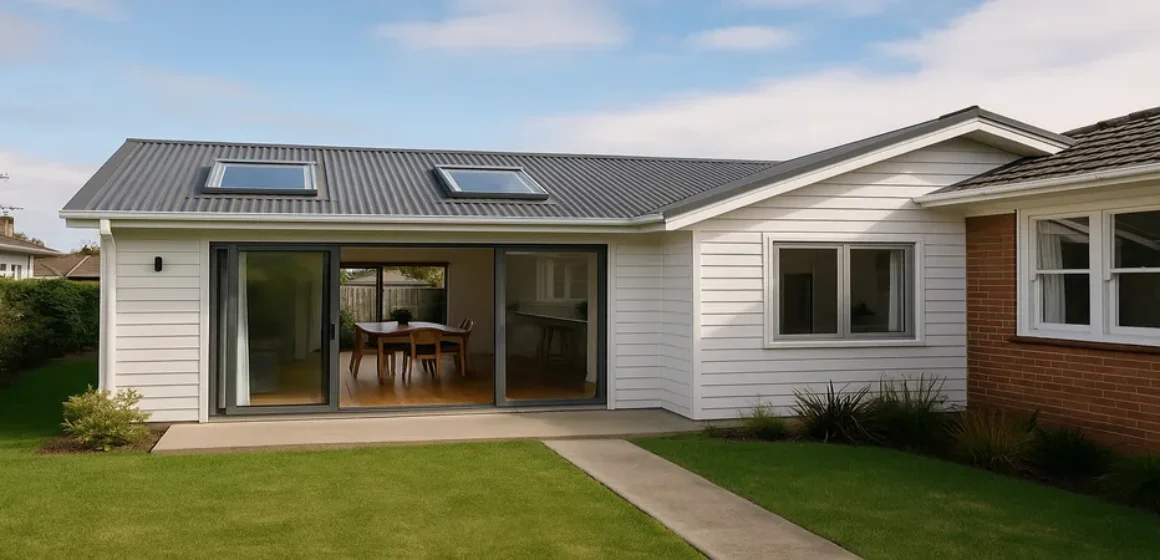
Illustrative Example Only: “We extended the back of our Wellington bungalow to add a bigger kitchen and living area. Initially the plans had only large sliders. Our designer suggested two skylights over the internal part of the room. Building them in from the start was simpler than trying to retrofit them later.”
This article focuses on skylights in NZ renovations and extensions – not as an afterthought, but as part of the core design, timing and build sequence.
1. Why renovations are the ideal moment to think about skylights
You can retrofit skylights into an existing home at almost any time. But renovations and extensions offer specific advantages.
Roof and structure are already being touched
During renovation work, you may already be:
- opening ceilings or roof spaces
- moving or strengthening framing
- replacing parts of the roof cladding.
Adding skylights at this stage means:
- less duplicated labour
- better integration with new framing
- cleaner flashing and underlay detailing.
Services and layout are being rethought
Designers and builders are already looking at:
- room layouts and traffic flows
- plumbing and wiring runs
- heating and ventilation.
Skylights can then be considered alongside these decisions, rather than squeezed in around them.
You are already living through disruption
Any renovation brings some disruption. Planning skylights with the main project means:
- roof access can be managed once
- scaffolding, if needed, is used efficiently
- interior patches and painting are consolidated.
The question becomes less “Should we add skylights?” and more “Where should skylights be part of this renovation from the start?”
2. Typical renovation scenarios where skylights earn their keep
Skylights do not need to appear in every project. They tend to add the most value in certain patterns.
Rear extensions on villas, bungalows and older homes
Common pattern across NZ cities:
- new open-plan kitchen/living added at the back
- big sliders to a deck or garden
- central zone of the room left depending on artificial light.
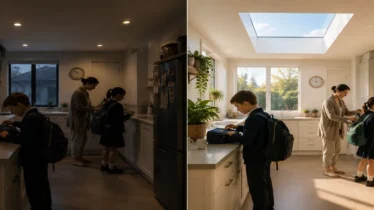
Skylights placed over the internal half of the space can:
- balance light from large end windows
- make dining tables and sofas feel more inviting
- reduce contrast between bright doors and darker internal walls.
Read our guide to villa and character home skylights in NZ.
Reconfiguring internal rooms
When layouts shift, internal rooms may end up with:
- fewer external walls
- reduced window opportunities
- deeper floor plates.
Skylights can help:
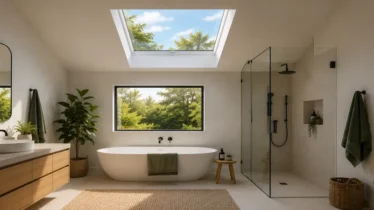
- keep new bathrooms, studies or hallways feeling usable
- support “borrowed light” strategies between rooms
- reduce the chance of creating new dark corners.
Loft conversions and upper-level additions
Turning roof space into a bedroom or office is a common way to gain space.
Here, roof windows and skylights can:
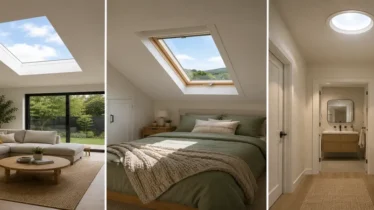
- make loft rooms feel like genuine living spaces
- provide both light and outlook where side windows are limited
- support ventilation at the top of the house.
Explore our article on bedroom skylights in NZ homes.
3. Design first, products later – getting the sequence right
It is tempting to start with brand names and sizes. In renovations, it is better to start with how the space should feel.
Step back to first principles
Before choosing products, answer:
- Which areas will be used most during the day?
- Where is natural light currently lacking?
- How do you want the room to feel in winter vs summer?
This gives your designer and installer a clear brief.
Coordinate with your designer or architect
Good renovation drawings will show:
- indicative skylight positions
- shaft directions and likely sizes
- how openings align with structure.
Your skylight installer can then comment on practicality early, rather than after everything else is locked in.
Keep future furniture and fittings in mind
Think about:
- where screens, artwork and tall cabinetry will sit
- whether overhead light might clash with a pendant or rangehood
- how you use the space at different times of day.
Skylights that are drawn in plan without this context risk landing in the wrong place once you move in.
4. Coordinating skylights with re-roofing and roof work
Many NZ renovations include some level of roof work.
When you are fully re-roofing
This is often the cleanest time to introduce or move skylights. It allows:
- flashings to be woven in as part of the new roof
- underlay or sarking upgrades around openings
- old penetrations to be tidied or removed.
You can also:
- rationalise the number and position of existing skylights
- replace older units with modern, better-performing options.
When only parts of the roof are touched
Even without a full re-roof, strategic work can help:
- localised roof replacement around new openings
- fresh flashings and backtrays at skylight locations
- consistent detailing between old and new areas.
The key is for roofers and skylight installers to coordinate, rather than working in isolation.
5. Consent, structure and buildability
Every project is different, and your designer or builder will advise on specific consent requirements. From a homeowner perspective, a few general points help.
Structural considerations
Skylight openings need to be framed and supported correctly. This may involve:
- trimming rafters
- adding new support members
- checking existing framing condition, especially in older homes.
Your renovation team should factor this into both plans and pricing.
Weather tightness and documentation
In many cases, councils are particularly interested in how new roof penetrations are detailed.
Using:
- recognised skylight systems
- manufacturer-recommended flashings
- installers who can provide documentation
helps streamline this part of the process.
If consents are required, talking about skylights early allows them to be included in the project from the outset.
6. Comfort, energy and everyday use in renovated spaces
Renovations often aim to bring older homes closer to modern comfort expectations. Skylights should support this goal.
Thermal performance in upgraded envelopes
If you are improving insulation, glazing and airtightness, ensure skylights are part of that picture:
- choose double-glazed units appropriate to your region
- insulate shafts in line with upgraded ceilings
- consider Low-E coatings in climates where heat loss or gain is a concern.
Read our guide to energy-efficient skylights for different NZ climates.
Light control and flexibility
In multi-use rooms, think about:
- blinds for media or guest spaces
- light levels for tasks such as cooking, reading or working
- how the room will feel early on summer mornings and darker winter days.
Skylights that offer flexible light control will serve a renovated home across more seasons and uses.
Ventilation in new layouts
Where walls move, old ventilation paths can be disrupted.
Vented skylights, used alongside extraction fans and windows, can help:
- manage moisture in new bathrooms and kitchens
- keep upper-level spaces from feeling stuffy
- support passive cooling strategies in some designs.
Explore our article on bathroom skylights and condensation.
7. Planning path – building skylights into your renovation brief
To make skylights part of your renovation or extension in a structured way, this planning path can help.
Step 1 – Review your current home in natural light
Before plans are finalised, walk through on a typical day and note where light is weakest.
Step 2 – Look at concept plans with light in mind
As early drawings arrive, ask: where will natural light come from in each key space? Where might the middle of a room still feel heavy?
Step 3 – Mark potential skylight zones on the plans
With your designer, sketch zones where overhead light could help – often internal halves of rooms, hallways and new bathrooms.
Step 4 – Bring an installer into the conversation
Share plans, photos and your priorities. An installer can flag opportunities and constraints before details are locked in.
Step 5 – Agree the sequence on site
Make sure your builder, roofer and skylight installer are aligned on timing, so openings, flashings and interior finishing happen in the right order.
Explore ideas for skylights in living rooms and lounges if that is your main focus.
8. Next steps – renovating the light as well as the layout
A successful renovation does more than add square metres. It changes how the home feels from morning to night.
Thoughtfully placed skylights can:
- bring daylight into the middle of new and reworked spaces
- support comfort and energy goals
- help older homes feel more aligned with the way you live now.
If you are mid-planning or about to start a project:
- review your concept plans with a specific eye for where skylights could help
- note any key rooms, hallways or stairwells that still feel light-starved
- gather your drawings and a few photos ready to share.
Skylights.co.nz can help connect you with installers across New Zealand who are used to working alongside designers, builders and roofers on renovation and extension projects.
Make an enquiry via Skylights.co.nz
If you share your region, project type (renovation, extension or re-roof), and a copy of your plans or basic layout, an installer can usually outline one or two skylight strategies that fit with your wider project rather than sitting on the side.
FAQs – skylights for renovations and extensions in NZ
Q1. Is it better to add skylights during a renovation or afterwards?
In many cases, adding skylights as part of a renovation is more efficient. Roof, structure and interior finishes are already being worked on, which makes integration easier and can reduce duplicated labour.
Q2. Do skylights make the consent process more complicated?
They can add detail to consider, particularly around structure and weather tightness, but they are a familiar element. Including skylights early in the design helps your team address consent requirements as part of the main project.
Q3. Should I choose skylight products before or after finalising plans?
It is usually best to confirm the general locations and functions of skylights first, then select specific products once the design is more resolved. Your installer can advise which product families suit the planned openings.
Q4. Can I move or replace existing skylights during a renovation?
Often yes. Renovations are a good time to rationalise the number and placement of skylights, upgrade older units and improve flashing details as roof work is carried out.
Q5. How do skylights affect energy efficiency in a renovated home?
When you choose appropriate glazing and insulate shafts properly, skylights can support comfort and reduce daytime lighting needs. They should be considered alongside insulation, heating and window upgrades, not in isolation.
Q6. Who should coordinate skylight installation on a renovation project?
Typically, your main builder or project manager will coordinate timing between the roofer and skylight installer. Sharing plans and a clear brief early helps all parties work in step.