Light for homes with history: skylights for villas, bungalows and character houses in NZ
Many New Zealanders love older homes for what they already are:
- high ceilings and generous skirting boards
- leadlight windows and timber joinery
- wide verandahs and front rooms with a sense of history.
Yet behind the character, there are familiar daylight frustrations:
- long central hallways that feel like tunnels
- south-facing back rooms that never quite lose their gloom
- lean-to kitchens and bathrooms added over the years with little natural light.
You want to improve comfort and daylight without stripping away the qualities that made you choose the house in the first place.
Illustrative Example Only: “We bought a 1910 villa in Dunedin. The front rooms were beautiful, but the central hall and rear kitchen were dark. Adding carefully placed skylights has made it easier to live in day-to-day, without changing the feel of the street frontage.”
This article looks at skylights for villas, bungalows and character homes in NZ – where they help most, how to respect heritage features, and what to think about before cutting into an older roof.
1. How older NZ homes handle daylight
Villas, bungalows and early character homes were designed for a different time.
Villas – front rooms, long halls
Traditional villas often have:
- key rooms facing the street or morning sun
- a long central hallway with bedrooms opening off it
- service spaces (old kitchens, laundries) towards the rear.
Deep verandahs and generous eaves add charm but can limit direct sunlight, especially in winter.
Bungalows – lower, wider, often with deep porches
NZ bungalows tend to:
- spread across the section with larger roof planes
- have deeper, more horizontal verandahs
- mix generous living rooms with smaller service spaces.
They can feel solid and sheltered, but interior rooms may rely heavily on side windows that are now shaded by neighbouring homes or mature planting.
Character homes in hillside or coastal settings
Some older homes sit on hills or near the sea. They may have great views but:
- quirky internal layouts from multiple renovations
- rooms you walk through to get to other rooms
- additions that did not prioritise light.
Skylights can work with these patterns by bringing light in from above, rather than trying to find more wall space for windows.
2. Where skylights typically help most in villas and bungalows
Not every room needs a skylight. In older homes, strategic choices matter.
Common high-impact locations include:
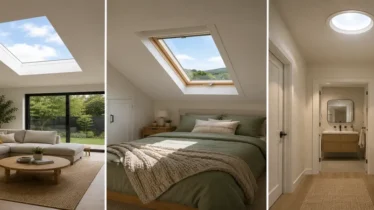
- central hallways with no external wall
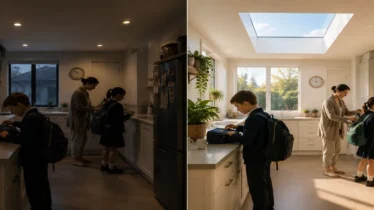
- rear kitchens and dining areas created during past lean-to additions
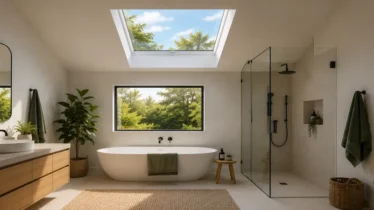
- bathrooms and laundries tucked into internal corners
- stairwells or split-level transitions added during later alterations.
In many cases, just one or two well-placed skylights can:
- change how you move through the house
- reduce daytime reliance on artificial light
- make rear living spaces feel connected to the sky, not just the boundary fence.
3. Respecting character and street presence
A common concern with older homes is: “Will a skylight spoil how it looks from the street?”
Good design respects the existing house by:
- placing skylights on less prominent roof planes where possible
- aligning new openings with existing roof structure and rhythms
- choosing frame colours that sit quietly with the roof finish.
From inside, it also helps to:
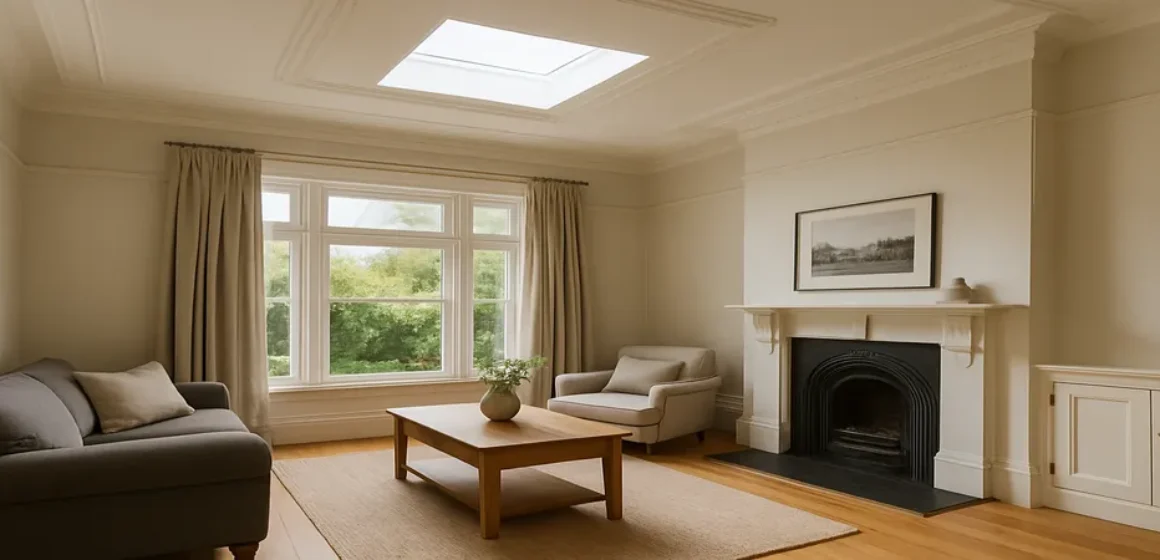
- position skylights so they feel like a natural part of the ceiling, not an afterthought
- keep detailing simple and consistent with existing architraves and trims
- work with, not against, existing features such as ceiling roses and batten patterns.
When done carefully, skylights in a villa or bungalow can feel as though they have always belonged there.
4. Roof structure, age and what that means for skylights
Older homes can have unique structural details.
Understanding existing structure
Before committing to skylights, an installer or builder will typically:
- look at roof framing (rafters, purlins, trusses where present)
- assess any past alterations or additions
- identify services in the roof space, such as old wiring or plumbing.
This matters because it affects:
- how easily shafts can be run
- whether additional framing is needed around openings
- what access is available for safe installation.
Roof cladding and condition
Many villas and bungalows have:
- older corrugated metal roofs that may have been replaced over time
- tiled roofs from mid-century renovations
- roofing nearing the end of its life.
Sometimes, the most efficient time to add skylights is during roof replacement, when:
- flashings can be fully integrated
- underlays can be upgraded
- any localised repairs can happen in the same programme of work.
5. Comfort, insulation and modern expectations
Older homes were not built with today’s insulation standards in mind. Many owners now upgrade:
- ceiling and underfloor insulation
- heating systems
- draught stopping around windows and doors.
Skylights need to support, not undermine, those efforts.
Thermal performance
To keep older homes comfortable:
- choose double-glazed skylights suited to your climate
- ensure shafts are insulated and lined properly
- pay attention to junctions where warm interior air meets the colder roof space.
In cooler regions, a well-chosen skylight can improve how a room feels without creating cold patches, particularly when combined with good overall insulation.
Moisture and ventilation
Older bathrooms, laundries and kitchens are frequent moisture hotspots.
Here, skylights can:
- bring in daylight that makes dampness easier to spot and manage
- be paired with ducted extraction fans for effective moisture removal
- provide additional ventilation where vented units are appropriate.
6. Interior detailing – blending old and new
Inside, the way you finish a skylight in a villa or bungalow can either fight the character or gently support it.
Shaft shape and ceiling lines
Consider:
- slightly flared shafts to echo the generosity of high ceilings
- aligning shaft edges with existing ceiling battens or beams
- using proportions that feel in keeping with the room size.
Colours, trims and features
Simple choices can help new skylights sit comfortably alongside older details:
- matching paint finishes to existing ceilings
- using discreet trims rather than heavy frames internally
- allowing light to fall on features you want to celebrate, such as fireplaces or built-in cabinetry.
The aim is for visitors to notice the quality of light first, not the hardware.
7. Planning path – from “we love the house, but it is dark” to a character-sensitive brief
If you own a villa, bungalow or character home and are considering skylights, this planning path can help shape a clear brief.
Step 1 – Walk the house at different times of day
Notice which rooms feel consistently dim, and when. Pay attention to halls, rear living spaces and any lean-to additions.
Step 2 – Decide which spaces matter most
Is it the main living room, the central hall, a back kitchen, or a bathroom you use often? Focus on spots where better light would genuinely change how you live.
Step 3 – Look at the house from the street and garden
Identify roof planes that are less visible, and think about where you would prefer any new openings to sit.
Step 4 – Collect information about the roof and structure
Photos of the roof, ceiling spaces (if accessible) and key rooms help installers understand how the home is built.
Step 5 – Note any future plans
If you are considering re-roofing or a larger renovation, mentioning this upfront allows skylight work to be coordinated with other upgrades.
8. Next steps – keeping the character, improving the light
Part of the appeal of villas, bungalows and character homes is that they do not feel like brand-new builds. Adding skylights does not have to change that.
When they are thoughtfully placed and well detailed, skylights can:
- honour what is already special about the house
- make everyday routes and rooms more inviting
- quietly support modern expectations of light and comfort.
If you are starting to picture changes:
- take a day or two to walk through your home and note where light really lets it down
- think about which rooms you would most like to enjoy during winter days or early evenings
- gather a few photos of key rooms, the roof and the street frontage.
Skylights.co.nz can help connect you with installers around New Zealand who understand the balance between character, comfort and construction in older homes.
Make an enquiry via Skylights.co.nz
If you share your region, a short summary of your home’s age and style, and a few images of the areas you are concerned about, an installer can usually outline one or two skylight options that respect both the history and the way you live now.
FAQs – skylights for villas, bungalows and character homes in NZ
Q1. Will skylights ruin the look of my villa or bungalow from the street?
Not if they are planned carefully. Many owners choose roof planes that are less visible and work with installers to keep external flashings and frames as discreet as possible.
Q2. Is it safe to cut skylight openings into an older roof?
With proper assessment and detailing, skylights are routinely installed in older homes. An experienced installer will look at framing, cladding condition and roof access before confirming what is practical.
Q3. Should I wait until I re-roof before adding skylights?
If your roof is nearing the end of its life, combining skylight work with re-roofing can be efficient. If the roof is in good condition, skylights can often be retrofitted successfully on their own.
Q4. Will skylights make my character home colder in winter?
Modern double-glazed skylights with insulated shafts are designed to limit heat loss. In many cases, they make rooms feel more inviting by improving daylight, particularly when combined with good insulation and heating.
Q5. Can skylights help with dark lean-to kitchens and bathrooms?
Yes. These are often some of the most transformed spaces in older homes once skylights or tubular units are added, especially when combined with ventilation improvements.
Q6. Who should I speak to about skylights for an older villa or bungalow?
A skylight installer experienced in working with older NZ housing stock is a good starting point. They can liaise with your designer or builder if a larger renovation is planned.