Staying at home, feeling at ease: skylights for ageing in place in NZ homes
For many New Zealanders, ageing in place is the goal. Staying in the home you know, near the people and places that matter, often feels more appealing than moving just because the years have moved on.
Yet even familiar rooms can start to feel different over time.
It may become:
- harder to see edges of steps in a dim hallway
- more difficult to read labels or cook in a shadowed kitchen corner
- unsettling to cross a dark living room on winter afternoons.
You might find lights are switched on earlier each day. Night‑time trips to the bathroom require extra care. Spaces that once felt easy to move through now demand more attention.
Somewhere in those small shifts, skylights enter the conversation:
“If we brought more daylight into the rooms we use most, would this house feel easier to live in for longer?”
This article explores skylights for ageing in place in NZ homes – not as a renovation trend, but as part of a wider plan to support visibility, confidence and comfort in the years ahead.
1. How light needs change as we age
Understanding what is happening with light and vision is an important first step.
More light, less tolerance for glare
As people age, it is common to:
- need more light to see fine detail
- find strong contrast and glare uncomfortable
- take longer to adapt when moving between bright and darker spaces.
This means that a house with a few darker corners, once manageable, can become more demanding to live in.
Edges, textures and small objects
Everyday tasks often depend on seeing:
- the edge of a step or change in floor level
- the outline of a rug against flooring
- details on medication packaging, appliance dials and switches.
In low light, these small details are harder to pick up, increasing effort and sometimes risk.
Daily patterns and staying active
Light influences how easy it feels to:
- get going in the morning
- move comfortably around the home during the day
- stay engaged in hobbies and reading.
Skylights cannot change eyesight, but they can help shape the light story in key rooms to suit later‑life needs better.
2. Where low light causes the most strain at home
Not every part of the house poses the same challenge. Certain zones are more important when considering skylights for ageing in place.
Hallways, stairs and internal routes
Long halls, stairways and internal links between rooms often:
- rely on small wall lights or a single ceiling fitting
- have changes in floor level or surface
- are used frequently, including at night.
In older villas and bungalows across New Zealand, central corridors can feel particularly dim, especially in winter.
Bathrooms and toilets
Bathrooms and toilets are:
- used multiple times a day and at night
- spaces where wet surfaces and hard finishes increase risk if visibility is poor
- often located away from large windows, especially in smaller units or townhouses.
Bright, even light makes it easier to see floors, shower edges and fittings clearly.
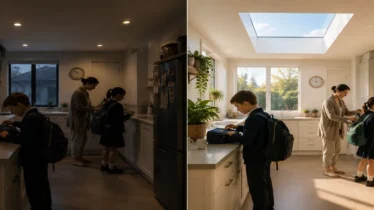
Kitchens and everyday work areas
In kitchens, lower light levels can make it harder to:
- read labels and recipe books
- see clearly when using knives and appliances
- distinguish between surfaces and spills.
Shadowed benchtops and island corners feel less manageable over time.
Favourite chairs and hobby zones
Many people have a favourite seat for:
- reading the paper
- doing crosswords or puzzles
- sewing, crafts or other hobbies.
If those spots sit away from windows, they may slowly become less inviting.
3. What skylights can add to an ageing‑in‑place plan
Skylights are one part of a broader set of decisions about how to adapt a home for later life.
Supporting safer movement
In key circulation areas, skylights can:
- make floor edges, doorways and changes in level easier to distinguish
- reduce deep shadow pockets that hide small obstacles
- help hallways feel more inviting during the day.
This does not replace grab rails or floor choices, but it complements them.
Making daily tasks less demanding
In kitchens and bathrooms, well‑placed skylights can:
- lift ambient light across benches and basins
- reduce reliance on harsh spotlights for every task
- make it easier to see taps, controls and contents.
Even a modest increase in daylight can make routine tasks feel less tiring.
Supporting mood and connection
Natural light, soft and consistent, often helps spaces feel:
- more open and less closed‑in
- better connected to changes in time and weather
- more pleasant to spend long periods in.
This can matter for those who spend more time at home in later years.
4. Designing softer, safer daylight – not bright spots
When planning skylights ageing in place NZ homeowners benefit most from designs that prioritise softness and evenness.
Avoiding harsh contrast
Strong shafts of light surrounded by darker areas can be:
- visually uncomfortable
- harder to move through safely
- disorienting when stepping from light into shadow.
Instead, aim for skylights that spread light across:
- central hall areas
- middle parts of rooms
- wall surfaces that reflect light gently.
Choosing diffused light where it helps
Tubular skylights and glazed units with diffusing elements can:
- soften direct sun
- reduce sharp edges of light and shadow
- make changes in brightness more gradual.
This tends to suit circulation spaces and bathrooms particularly well.
Planning with blinds and control
In living rooms and bedrooms, blinds allow you to:
- reduce brightness on very sunny days
- manage glare on screens
- create a more restful atmosphere when needed.
Controls should be chosen so they remain easy to operate for years to come.
5. Room‑by‑room: skylights in later‑life NZ homes
Each key area of the home benefits from a slightly different approach.
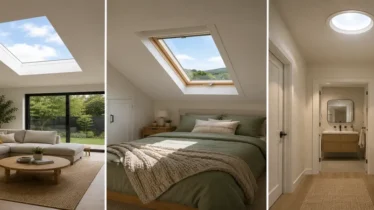
Hallways and stairs
Priorities:
- clear visibility of floor edges and steps
- soft, consistent light along the full route
- minimising deep shadows at doorways.
Skylight options:
- tubular skylights spaced along a corridor
- a conventional skylight positioned over a stair landing
- solutions that work alongside existing wall lights.
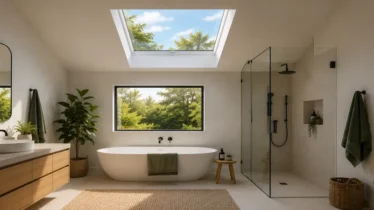
Bathrooms and toilets
Priorities:
- bright, even light for visibility
- good ventilation and moisture control
- avoiding glare on mirrors.
Skylight options:
- a small, well‑placed skylight combined with extraction
- vented units where extra airflow is beneficial
- careful placement so light falls on floors and surfaces rather than directly into eyes when looking at mirrors.
Kitchens and everyday work areas
Priorities:
- clear visibility on benches and cooktops
- reduced shadows in corners and between overhead cupboards
- comfortable light for reading recipes and labels.
Skylight options:
- units positioned to light central benches or islands
- diffused light solutions where there is strong summer sun
- combinations with task lighting for evenings.
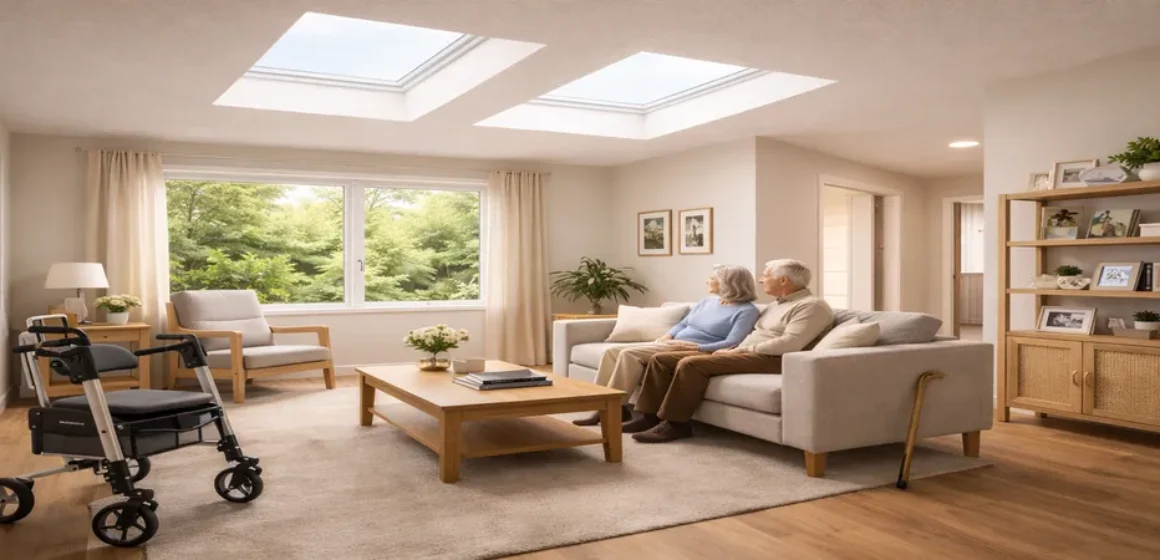
Living rooms and favourite chairs
Priorities:
- comfortable reading light in chosen seats
- reduced need to cross darker areas during the day
- a calm, pleasant atmosphere for relaxing.
Skylight options:
- larger units to brighten internal parts of the room
- positions that allow light onto walls and ceilings rather than directly onto faces
- blinds for control during bright summer days.
Illustrative Example Only: In a Tauranga brick home, a couple in their seventies found that adding skylights to the central hall and over the corner of the living room where they read in the afternoons made the house feel easier and more enjoyable to live in year‑round.
6. Comfort, maintenance and practical details
For ageing in place, practicalities matter just as much as light quality.
Thermal performance and winter comfort
Later‑life comfort often means avoiding extremes. Skylights should be specified so that they:
- work with existing insulation and heating
- minimise cold drafts and unwanted heat loss
- do not create hot spots in summer.
Double glazing, appropriate coatings and insulated shafts all contribute.
Easy‑to‑use controls
If skylights include:
- opening mechanisms
- blinds or shades
- ventilation features,
these should ideally be:
- simple to operate
- reachable without awkward stretching
- available with remote or wall controls where needed.
Thinking ahead about mobility and reach is part of good ageing‑in‑place planning.
Cleaning and long‑term care
While skylight glass is usually cleaned from outside, interior surfaces and frames should be easy to wipe down. Installers can explain:
- expected maintenance intervals
- how to spot early signs of issues
- when to schedule checks, especially in coastal or high‑wind regions.
7. Planning path – bringing skylights into your ageing‑in‑place conversation
A simple sequence can help you fold skylights into broader discussions about future living at home.
Step 1 – Walk your home with a focus on visibility
Notice where you hesitate, squint or slow down, especially in halls, stairs and bathrooms.
Step 2 – Mark priority areas on a simple plan
Highlight routes and rooms used many times a day, not just the ones that look best.
Step 3 – Consider other planned improvements
Note any upcoming work, such as bathroom upgrades, re‑roofing, new heating or accessibility changes.
Step 4 – Gather photos and a short summary
Include room and roof photos, your region, and a brief description of what you want to feel different – safer movement, clearer benches, easier reading.
Step 5 – Share your goals with family, designer or installer
Use the same language with everyone so skylights are seen as part of the overall ageing‑in‑place plan.
Skylights New Zealand can help connect you with installers around New Zealand who understand later‑life priorities, not just renovation trends.
Make an enquiry via Skylights.co.nz
If you share your region, priority rooms and a few images, an installer can usually outline one or two skylight approaches that support ageing in place rather than just updating the look of the home.
FAQs – skylights for ageing in place in NZ homes
Q1. Are skylights safe for older homeowners?
When specified and installed correctly, skylights are a standard part of the building envelope. For ageing in place, the key is to focus on soft, even light in circulation routes and task areas, not on dramatic feature lighting.
Q2. Can skylights help reduce falls risk?
Skylights cannot remove all risk, but they can improve visibility of steps, floor edges and obstacles in key areas. They work best alongside other measures such as appropriate flooring, handrails and clear circulation paths.
Q3. Will skylights create glare that makes it harder to see?
Poorly placed skylights can cause glare. With careful planning – focusing on diffused light, indirect illumination and the use of blinds where appropriate – skylights can reduce harsh contrast rather than increase it.
Q4. Are skylights suitable for older villas and bungalows?
Yes, many older NZ homes benefit from added daylight in central halls and living areas. Structural and roof conditions need to be assessed, and detailing must respect the existing building, but skylights are commonly retrofitted in these house types.
Q5. How much maintenance do skylights require for someone ageing in place?
Routine checks and occasional cleaning are usually handled from outside by tradespeople. Inside, frames and linings can be wiped as needed. Discuss maintenance expectations with your installer so you can plan ahead.
Q6. Should skylights be part of a wider home modification plan?
Ideally, yes. Skylights are most effective when considered alongside heating, insulation, accessibility, bathroom upgrades and other changes aimed at making the home easier to live in over time.