Learning from experience: common skylight mistakes in NZ homes (and how to avoid them)
For many New Zealand households, adding a skylight starts with the best intentions.
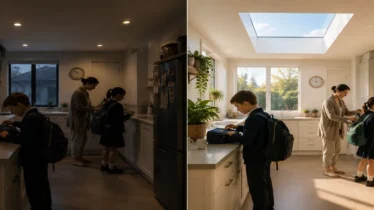
A dark kitchen finally feels bright. A hallway is no longer a tunnel. A home office seems, on paper, like it will be easier to work in.
Then the first very bright day arrives. Or a southerly storm. Or the first winter in the renovated space.
You may notice:
- glare on the television or laptop
- a patch of floor that is bright while the rest of the room still feels dull
- a bathroom that is light but still damp
- a room that feels hotter in summer or cooler in winter than you expected.
You are not alone. Across the country, there are repeating patterns in how skylights are planned and installed. The good news is that most of these skylight mistakes in NZ homes can be avoided – and, in many cases, improved after the fact.
This article looks at common skylight patterns that do not work as well as they could, and what to do instead. The aim is not blame. It is to help you ask better questions and get better results from daylight in your own home.
1. A quick word on “mistakes” – why this is about learning, not fault
Before we look at specific patterns, it helps to re‑frame the word “mistake”.
Most skylight projects involve people making the best decisions they can with the information, budget and time they have. Homes are complex. Weather is variable. Budgets are real.
In this context, a “mistake” is usually just:
- a decision made without full information
- a detail missed under time pressure
- a feature that did not match how the space is actually used.
The goal is not to criticise previous choices. It is to:
- understand how those choices play out in daily life
- plan the next project with more clarity
- know what options exist to improve what you already have.
2. Pattern one – skylights placed where the light is least useful
One of the most common issues is not the skylight itself, but where it is placed.
What this looks like
Typical examples include:
- a skylight directly above a television, causing reflection and glare
- a home office skylight over the screen or behind it, washing out contrast
- a kitchen skylight over a walkway, while benches remain in shadow
- a bright patch on the floor, with the rest of the room still dependent on artificial light.
You end up with a strong visual feature, but not necessarily better working light.
Why it happens
During design, it is easy to:
- mark “rough centre of room” on a plan
- forget where furniture will actually sit
- underestimate how sensitive screens and eyes are to glare.
In some cases, roof structure dictates position and compromises are made without revisiting how the room will be used.
What to do instead
Before deciding on positions, ask:
- Where do we sit, stand or work most in this room?
- Which surfaces actually need light – benches, tables, floors, walls?
- Where are screens, beds and sofas likely to sit?
Often, better outcomes come from:
- placing skylights over work surfaces or circulation areas, not directly over screens
- using shafts and light‑coloured ceilings to spread light more evenly
- combining skylights with side windows so the room feels balanced.
3. Pattern two – more light, but no plan for heat and insulation
Another frequent pattern is focusing on brightness without thinking through heat and thermal performance.
What this looks like
Examples include:
- rooms that feel lovely on mild days but uncomfortably hot on clear summer afternoons
- spaces under older, single‑glazed units feeling cool in winter
- shafts with little or no insulation, creating cold surfaces where condensation can form.
You may also see visible condensation on the skylight glazing itself on cold mornings.
Why it happens
In older installations or budget‑driven projects, it is common for:
- product choice to focus on size and cost, not glazing performance
- shafts to be built with minimal insulation
- surrounding upgrades (ceiling insulation, heating) to be delayed.
What to do instead
When planning new skylights or upgrades, ask:
- What glazing options are available for our climate and orientation?
- How will the shaft be insulated and lined?
- How does this choice fit with our heating and ventilation plans?
Better outcomes tend to involve:
- modern, appropriate glazing and coatings for your region
- insulated shafts and careful air‑sealing around openings
- thinking about shading, blinds and external conditions as part of the design, not after.
Illustrative Example Only: In a Christchurch renovation, replacing two older single‑glazed skylights with modern double‑glazed units and insulating the shafts reduced winter condensation and made the room feel noticeably more comfortable, even though the amount of light felt similar.
4. Pattern three – light added, ventilation forgotten
Skylights often arrive in the same rooms that struggle most with moisture: bathrooms, laundries and some kitchens.
What this looks like
Common signs include:
- a bathroom that feels bright but still steamy and slow to dry
- paint or plaster near the skylight showing signs of moisture
- condensation forming on the skylight and nearby surfaces.
Why it happens
It is easy to think of light as the main problem to solve:
- “The bathroom is dark, so we will add a skylight.”
If the existing ventilation is already marginal, the space may stay damp, only now more visible.
What to do instead
In moisture‑heavy rooms, daylight and ventilation should be planned together.
Consider:
- whether a vented skylight could help release warm, moist air
- ensuring extraction fans are correctly sized and vent to the outside
- using diffused glazing to reduce cold surface effects.
In some cases, the best approach is:
- improve extraction and heating first
- then add skylights as part of a more complete comfort strategy.
5. Pattern four – control left too late: no blinds, no plan for glare
Many households discover, only after installation, that they would like more control over how bright a room feels.
What this looks like
You may notice:
- difficulty napping in a bedroom during the day
- glare on a dining table or in a reading chair at certain times
- a nursery that feels too bright in summer evenings.
Blinds are then added as a reactive fix, sometimes in ways that are less integrated or convenient than they could have been if planned from the start.
Why it happens
During design, it is natural to focus on:
- getting enough light into a dark space
- choosing sizes and positions
- keeping to budget.
The nuance of how much light feels comfortable at different times of day can be hard to imagine until you live with the room.
What to do instead
When planning skylights, ask early:
- Do we ever need this room darker, not lighter?
- How sensitive are we to early‑morning light in this space?
- Will there be screens, naps or media use here?
Then consider:
- blackout or light‑filtering blinds for bedrooms and nurseries
- light‑filtering blinds or diffusers for living rooms and offices
- motorised control where skylights are out of reach or adjusted daily.
6. Pattern five – roof detailing rushed or left to chance
From the inside, a skylight can look fine even when roof detailing is not as robust as it should be.
What this looks like
Over time, signs can include:
- faint staining on the ceiling near a skylight
- dampness in linings or corners
- leaks that appear only in certain wind directions.
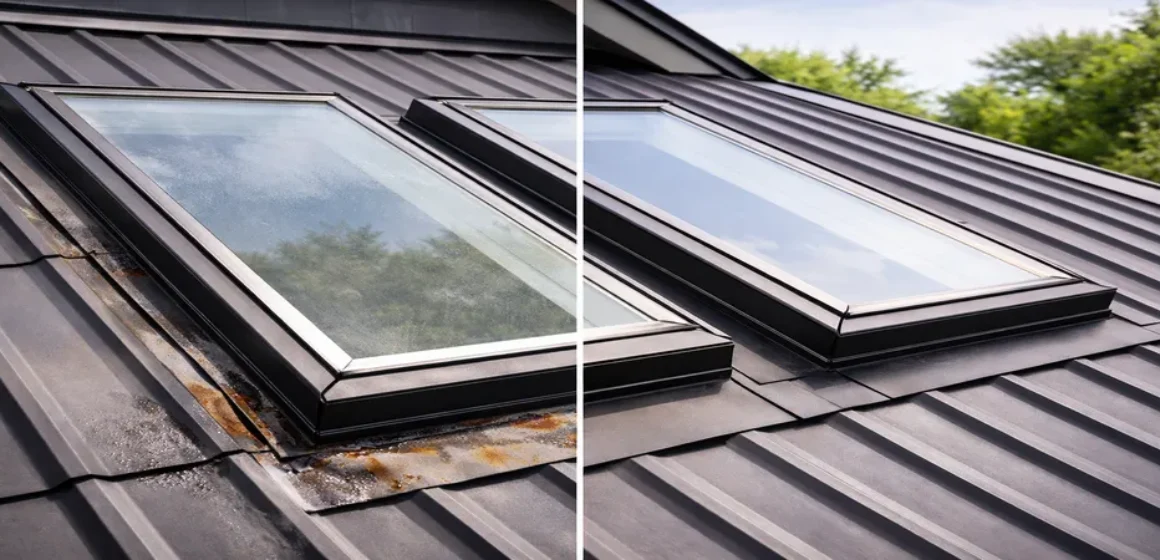
In many cases, the skylight frame and glass are sound. The vulnerability sits where the skylight meets the roof, in the flashings and surrounding roofing.
Why it happens
On busy jobs, it is possible for:
- roof complexity to be underestimated
- older roofing and flashings to be re‑used when replacement would be safer
- sealant to be used where shape and overlap would be more durable.
What to do instead
When planning skylights, especially in older or more complex roofs, ask:
- What flashing system is being used for our roof type and pitch?
- Is any re‑roofing or local roof repair needed at the same time?
- How will water be guided around the skylight in heavy rain and wind?
It is also reasonable to ask for a simple explanation of how the flashing layout works, in plain language.
7. Already installed? Ways to improve existing skylight outcomes
If you already have skylights and recognise some of these patterns, it does not necessarily mean starting again.
Improving comfort and control
Depending on the situation, it may be possible to:
- add or upgrade blinds for better glare and sleep control
- use film or diffusers to soften overly harsh light
- adjust room layout so key activities sit in the most comfortable parts of the light.
Upgrading performance
In some cases, targeted upgrades can help, such as:
- replacing older units with modern, better‑performing skylights
- insulating and re‑lining shafts
- combining skylight work with ceiling insulation or re‑roofing.
Addressing moisture and leaks
If there are signs of moisture:
- an installer or roofer can assess whether issues sit at the skylight unit or the surrounding roof
- flashings and local roof areas may be able to be re‑detailed
- internal linings can be repaired once the source of moisture is addressed.
Illustrative Example Only: A family in Tauranga had strong glare on their dining table from a large skylight. Rather than removing it, they added a light‑filtering blind and adjusted the table position slightly. The room kept its daytime brightness but became much more comfortable for meals and homework.
The right options depend on roof type, product age, budget and how the room is used. The key is to see skylights as part of a wider comfort plan, not as fixed features that cannot be adjusted.
8. Planning path – turning potential mistakes into better questions
A simple checklist can help you avoid the most common skylight mistakes in NZ homes.
Step 1 – Map how you actually use each room
Note where you sit, stand, cook, read, work and sleep. Mark where screens, beds and tables are likely to be.
Step 2 – Identify what you want to change
Is the issue gloom, privacy, heat, moisture, or a mix? Being specific helps match skylights to real needs.
Step 3 – Think through comfort, not just brightness
Consider seasonal heat, winter cold, sleep, glare and moisture alongside the desire for more light.
Step 4 – Ask for clear explanations in plain English
From placement and glazing to blinds and flashings, invite your installer, designer or roofer to explain how each decision supports comfort over time.
Step 5 – Capture your expectations in a short brief
Include your region, roof type, room photos, and a few lines about what “success” looks like – for example, “a brighter kitchen island without extra heat in summer” or “a lighter bathroom that dries quickly after showers”.
Skylights New Zealand can help connect you with installers and partners who approach skylights as part of a bigger picture – light, comfort, moisture and roof performance together.
Make an enquiry via Skylights New Zealand
With a clear brief and the right questions, skylights can move from trial‑and‑error to a considered part of how your home works in all seasons.
FAQs – common skylight mistakes in NZ homes
Q1. What is the most common skylight mistake in NZ homes?
There is no single culprit, but frequent issues include placement over screens or in the wrong part of a room, lack of blinds or control, and missing ventilation in bathrooms and laundries.
Q2. Can a poorly placed skylight be fixed without replacing it?
Sometimes, yes. Blinds, diffusers and furniture layout changes can improve comfort. In other cases, repositioning or resizing may be recommended, particularly if roof work is planned anyway.
Q3. How do I know if a skylight will cause glare before it is installed?
Looking at plans with sun paths and thinking through where screens, tables and sofas will sit can help. Installers and designers with local experience can also share what tends to work in similar rooms and orientations.
Q4. Will adding blinds solve all skylight problems?
Blinds are powerful tools for control, but they work best alongside good placement, appropriate glazing and sound roof detailing. They should be part of a broader plan, not the only solution.
Q5. Is condensation on my skylight always a sign of a problem?
Not always. In some conditions, a small amount of condensation can appear even on well‑performing units. Persistent moisture, staining or damp linings, however, should be assessed by a professional.
Q6. Who should I talk to if I am worried about an existing skylight?
Start with a skylight installer or roofer who works regularly with your roof type. They can help distinguish between product issues, roof detailing and broader moisture or insulation questions.