The complete guide to circular skylights in New Zealand homes
Most rooms in New Zealand homes are built from straight lines.
Rectangular plans, square corners, longrun roofs running in neat ribs. Then someone stands in the middle of a room and says, “What if the light came from a circle?”
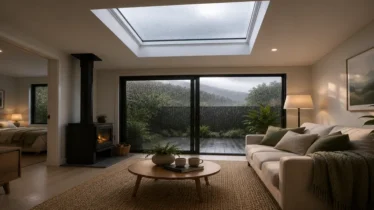
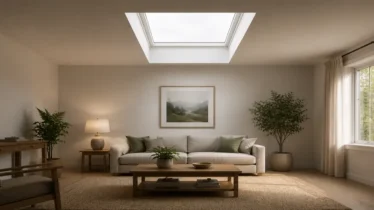
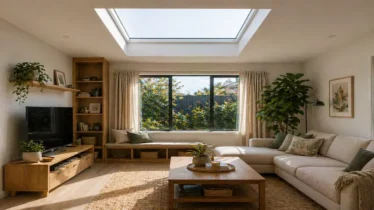
Circular skylights change how a space feels. Instead of a strip of glass following a rafter or a square in the middle of the ceiling, you get a pool of light with softer edges. In some homes it is a quiet, functional dome over a hallway. In others it becomes a deliberate feature – a large circular skylight acting almost like a ceiling window to the sky.
Across circular skylights in NZ, we are seeing two strong patterns:
- homeowners asking about large circular domes as centrepieces – sometimes 2 m and beyond
- practical enquiries where a circular dome on a square base solves a daylight problem within an existing roof layout.
This guide brings those strands together. It is designed to help you understand:
- the main types of circular skylights in New Zealand homes
- how size, base shape and roof type work together
- the role of materials (acrylic, polycarbonate, glass) and thickness choices
- where circular skylights suit best in different regions and climates
- key questions to ask before you request a quote.
It is written for homeowners, not installers. You will not find DIY instructions here. Instead, you will gain enough clarity to have better conversations with your designer, builder or skylight installer.
1. What we mean by “circular skylights” in NZ homes
In day-to-day language, people use “round skylight”, “circular dome” and “tubular skylight” almost interchangeably. It helps to separate them slightly.
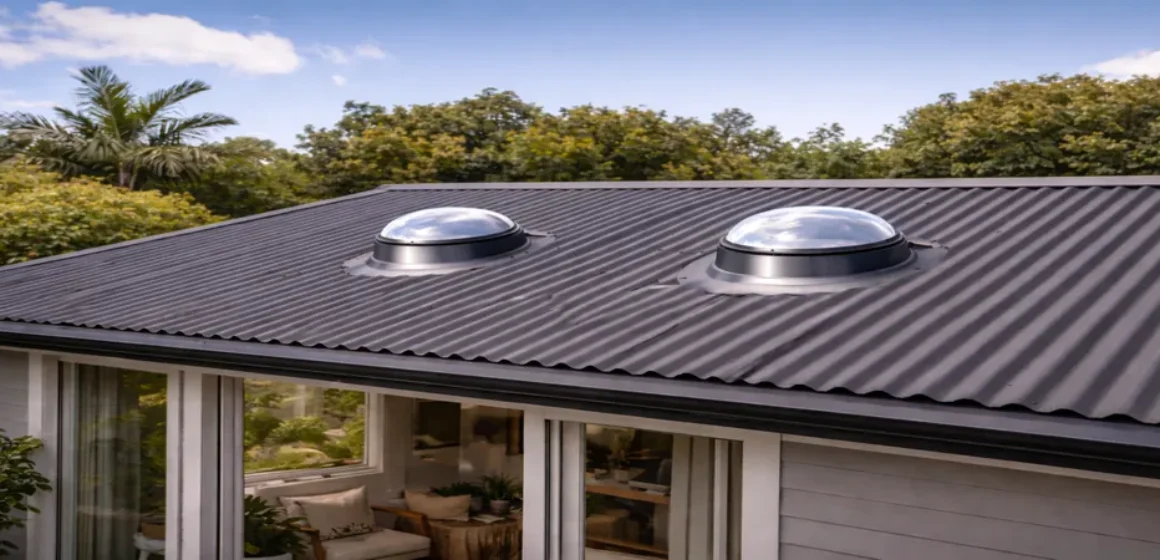
Circular domes on a base
These are what most people picture when they say “circular skylight“:
- a domed lens (often acrylic or polycarbonate)
- sitting on a base that is fixed and flashed to the roof
- with an internal throat or shaft bringing light down to the room below.
The base may be:
- square or rectangular – common for metal, tile and many membrane roofs
- circular – used in some specific roof situations or design concepts.
Tubular skylights
- use a small circular roof collector (often flat or slightly domed)
- connect to a reflective tube or duct
- end in a circular diffuser at ceiling level.
They are technically part of the circular family, but this guide focuses on larger circular domes and feature pieces, with tubular units mentioned where comparisons are helpful.
2. Why homeowners choose circular skylights
Circular skylights are not just a different shape. They can change how a room is used and how it feels.
Soft, central pools of light
A circular skylight often:
- creates a central pool of daylight that feels almost like a rug of light on the floor
- draws the eye upwards, creating a subtle sense of height
- softens the geometry of rectangular rooms.
This works well in:
- entries and foyers
- open-plan living areas
- large kitchens with islands
- stair landings and double-height spaces.
Feature pieces and “hero” elements
Some homeowners want a skylight to be more than functional. They ask for:
- circular domes that become a masterpiece in the house
- diameters significantly larger than standard tubular skylights
- shafts or ceiling details that make the circle of light into a design feature.
In these cases, the skylight is part of the architecture, not just an afterthought.
Illustrative Example Only: A homeowner in a coastal town wanted a circular skylight in the main living space that would be the first thing visitors noticed. After comparing glass and acrylic, they chose a large acrylic dome at a fraction of the glass price, with a carefully shaped internal shaft to spread light over the dining table.
Practical daylight for internal rooms
Circular skylights are also used in more modest ways:
- over internal hallways or bathrooms that currently need lights on all day
- in the centre of semi-enclosed kitchens
- to lift darker corners in long, narrow plans.
In these situations, the circular form can be a simple, efficient way to deliver daylight where windows are not an option.
3. Size, base type and how circular skylights meet the roof
A circular skylight is never just the dome. It is a combination of:
- diameter – how wide the circle of light is
- base shape – square/rectangular vs circular
- roof type – metal, tile or membrane
- internal throat – how light travels down to the ceiling.
Diameter and light behaviour
As diameter increases, you typically see:
- more daylight entering the space
- a larger lit area below
- stronger presence as a design element.
Smaller circular skylights:
- can act as focused spots in hallways, small rooms or above kitchen benches
- may be easier to integrate structurally
- sit closer in scale to tubular skylights.
Larger diameters (for example, 1.5 m and above):
- start to define the character of the whole room
- often need more careful thinking about structure, shaft design and heat management
- can approach feature-dome territory where they are the clear visual anchor.
Circular dome on square base vs circular base
In New Zealand, many circular domes are supplied on a square or rectangular base. This can:
- simplify flashing and integration with longrun and tile roofs
- line up with rafters or purlins more easily
- provide a consistent footprint across different dome diameters.
Circular bases may be used where:
- a specific roof build-up or design calls for a fully circular footprint
- a membrane or flat roof detail is planned with a round upstand
- the architect is targeting a very pure circular expression.
Your installer or designer will usually recommend a base type that suits your roof profile, structure and waterproofing details.
4. Materials and thickness – acrylic, polycarbonate and glass
One of the first questions for many homeowners is: “What material should the dome be?”
This is where you may have heard that a glass option can be around three times the cost of an acrylic option for a similar size.
Acrylic domes
Acrylic is common for circular domes in NZ homes because it:
- offers good clarity and light transmission
- is relatively light in weight
- is suitable for many standard and custom dome sizes.
You may see options such as 3 mm and 4.5 mm acrylic:
- 3 mm is often used for smaller or standard-size domes in typical conditions
- 4.5 mm is more substantial and may be recommended for larger diameters or more exposed sites.
A thicker dome can:
- feel more robust
- carry higher spans more comfortably when designed and installed correctly
- be part of a wider conversation about wind, climate and structure.
Polycarbonate domes
Polycarbonate is another plastic glazing option that can offer:
- higher impact resistance than standard acrylic
- good light transmission
- potential advantages on more exposed or risk-prone sites.
The trade-offs include:
- different surface hardness and ageing characteristics
- specific detailing and cleaning considerations.
Glass circular skylights
Glass circular skylights are often:
- heavier
- more complex to support structurally
- more expensive to manufacture and install.
They may be specified where:
- a particular architectural or performance outcome is required
- integration with other glazing systems is a priority
- a project is designed from the outset with glass roof elements.
For many homeowners, acrylic or polycarbonate domes will be the more practical and cost-effective choice, especially when diameters become large.
5. Where circular skylights work best – room by room
Circular skylights can be used in many parts of a home. The right location depends on how you live, not just where you could physically cut a hole.
Entries and foyers
A circular skylight above an entry can:
- create a welcoming, naturally lit threshold
- help define the entry zone in open-plan layouts
- reduce the need for artificial light during the day.
This works particularly well in compact townhouses where wall windows near the door are limited.
Kitchens and dining areas
In kitchens, circular skylights often sit above:
- an island
- a central work zone
- a dining table in a combined kitchen–dining space.
They can:
- soften shadows on benches
- highlight a key gathering area
- work well with both coastal and inland light conditions when planned carefully.
Living rooms and feature spaces
Larger circular skylights in living rooms can:
- become a central feature over a seating arrangement
- anchor a round table or rug
- work with double-height spaces to create a “halo” of light.
Here, balancing drama and comfort is important. You want the space to feel special without causing glare on screens or making summer afternoons uncomfortable.
Stairs and landings
Over stairs and landings, circular skylights can:
- improve safety and visibility
- create attractive shafts of light
- help taller spaces feel more connected.
The skylight is usually positioned to wash light down walls and landings rather than directly into stair users’ eyes.
6. Regional and climate considerations for circular skylights in NZ
New Zealand’s landscapes and climates are varied. Circular skylights need to respond to local conditions rather than follow a single pattern.
Coastal regions – salt, wind and bright skies
In coastal areas such as Northland, Bay of Plenty, Kapiti and coastal Canterbury:
- salt-laden air and wind exposure are everyday realities
- bright, low-angle light off the water can create strong glare.
Here, careful thought goes into:
- material choice and surface care
- thickness and detailing for wind exposure
- diffused domes or internal shaft finishes that soften direct sun.
Alpine and inland climates – cold winters, clear days
In Queenstown, Wanaka, Central Otago and inland Canterbury:
- winters can be cold and long
- clear sky days can be very bright, with strong sun angles.
Circular skylights in these settings may prioritise:
- good insulation and shaft detailing
- glazing tuned for heat gain and loss
- placements that welcome winter light but can be moderated in summer.
Windy and hill suburbs
In parts of Wellington and other hill suburbs across the country:
- exposure to wind is a key factor
- roofs can be more complex in form.
Here, installers pay close attention to:
- base fixings and flashing details
- dome thickness relative to site exposure
- how skylights sit within existing roof geometry.
7. Circular skylights vs tubular skylights – when each makes sense
Although this guide focuses on circular domes, many people compare them with tubular skylights during planning.
Circular domes may be preferred when:
- the skylight is intended as a visible feature
- the room is large and needs a generous pool of light
- the architecture supports a bold, central circle.
Tubular skylights may be better suited when:
- the goal is purely functional light in smaller areas
- roof space or structure limits larger openings
- budgets are tighter and feature status is not required.
In some homes, both are used:
- circular domes in key living spaces
- tubular units in corridors, internal bathrooms or wardrobes.
8. Planning a circular skylight – questions to ask before you request a quote
Before speaking with a professional, it helps to write a short brief. That brief does not need technical language. It just needs to be clear about your goals.
- Which room or rooms are you thinking about?
Note whether it is a kitchen, living room, stair, entry, bathroom or feature space. - What is not working today?
Is the room too dark, too flat, too reliant on artificial light, or lacking a focal point? - Are you thinking of a feature dome or a more modest solution?
If you imagine a masterpiece skylight, say so. If you mainly want better light for everyday tasks, that is also important. - What is your rough size range?
You do not need exact measurements, but saying “similar to a standard tubular skylight” or “more like a 2 m circle” helps shape the discussion. - Do you have any climate or exposure concerns?
Coastal salt, high wind, alpine cold or very hot roofs should be mentioned early. - What are your comfort priorities?
Think about glare, heat, privacy and how the room should feel in both summer and winter.
Skylights New Zealand works with installers and partners who understand how circular skylights in NZ homes behave across different climates, roof types and room uses.
Make an enquiry via Skylights New Zealand
If you share your room type, location, whether you are thinking feature or functional, and any climate concerns, a professional can help you explore circular skylight options that match your house rather than a generic diagram.
FAQs – circular skylights in New Zealand homes
Q1. Are circular skylights suitable for all NZ roof types?
Circular skylights can often be adapted to metal, tile and some membrane roofs using appropriate bases and flashing details. A skylight installer will assess your specific roof profile and structure before confirming suitability.
Q2. How big can a circular skylight be in a NZ home?
Sizes range from modest domes similar to larger tubular skylights through to feature domes 2 m and beyond in diameter. The practical limit depends on structure, roof design, wind exposure and budget.
Q3. Is a glass circular skylight always better than acrylic or polycarbonate?
Not necessarily. Glass options are often significantly more expensive and may require more complex support. Acrylic and polycarbonate domes can offer excellent daylight and appearance when correctly specified for size and location.
Q4. Do circular skylights cause more heat and glare than other shapes?
Heat and glare depend more on orientation, glazing, shaft design and room use than on shape alone. Well-planned circular skylights can provide soft, even light. Poorly planned ones, like any skylight, can lead to discomfort.
Q5. Can I retrofit a circular skylight into an existing room?
In many cases, yes, subject to roof structure, access and consent considerations. An installer can advise what is realistic, where to place the unit, and whether a circular dome or tubular option best suits your goals.
Q6. How do I start the process if I am unsure what size or material I need?
Begin with the brief in section 8. Share photos, a simple plan if available, and your main priorities. From there, a skylight professional can talk you through size ranges, material options and indicative budget bands.