Mould myths: what daylight helps with, and what it can’t fix
Like the house is “wrong”.
Like you’re constantly behind.
In New Zealand, mould is common enough that people start collecting advice from everywhere.
Open the windows.
Run a dehumidifier.
Bleach it.
Paint over it.
Add a skylight.
Some of that advice helps.
Some of it just changes the symptoms.
And some of it creates a new myth:
“If I bring in more daylight, mould will go away.”
Daylight can absolutely improve how a space feels.
It can support drying.
It can make damp patterns visible sooner.
But mould prevention daylight NZ homeowners need isn’t really a “light problem”.
It is mainly a moisture + time problem.
This article busts the most common mould myths, explains what daylight actually helps with, and gives a practical prevention approach that works in real NZ bathrooms, laundries, and rental homes.
First, the one concept that clears the confusion
Mould tends to grow when:
- moisture is present
- surfaces stay damp long enough
- air doesn’t clear effectively
That’s it.
Light can influence conditions.
But it does not remove moisture by itself.
So the mould conversation becomes easier when you stop asking “how do I kill mould?”
And start asking:
“Why does this space stay damp long enough for mould to win?”
Myth 1: “Mould is mainly about cleanliness”
Cleaning matters, but mould in NZ homes is rarely caused by “dirty living”.
A perfectly clean bathroom can still grow mould if:
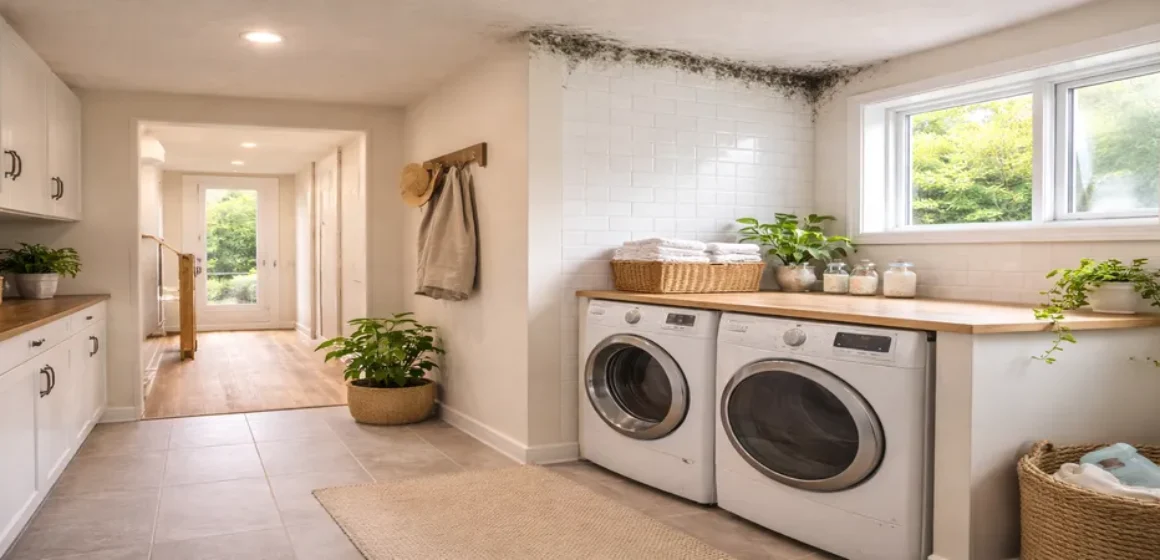
- moisture lingers at ceiling level
- corners stay damp
- ventilation doesn’t remove humid air properly
This is why some households clean constantly and still get mould dots in the same places.
It is not a hygiene issue.
It is a clearance issue.
Myth 2: “Bleach fixes mould permanently”
Bleach can remove visible mould.
But it does not change the conditions that caused it.
If the space stays damp, mould returns.
Think of bleach as resetting the surface.
Not fixing the room.
Real prevention means changing the daily moisture pattern.
Myth 3: “If I open a window, the bathroom will dry”
Sometimes it helps.
But in NZ, this myth falls apart in real life because:
- many bathrooms have privacy limits
- winter air is cold and people keep windows shut
- wind and rain patterns make it impractical
Opening a window is an option.
It is not a system.
Myth 4: “Daylight prevents mould”
This is the myth that matters most in a skylight context.
What daylight does help with
Daylight can:
- make a bathroom feel fresher and less enclosed
- support faster surface drying in the right conditions
- reduce that constant “damp cave” feeling
- encourage better habits (airing out, running fans long enough)
In short: it can improve the environment.
What daylight does not do
Daylight does not:
- remove humidity from the air
- fix ceiling-level moisture bottlenecks
- stop condensation forming on cold surfaces
- prevent mould if ventilation is weak or moisture sources remain
So yes, daylight can be part of mould prevention.
But it is not the foundation.
Myth 5: “An extractor fan means mould won’t happen”
Fans help, but mould can still show up if:
- the fan isn’t clearing ceiling-level air
- it isn’t run long enough after showers
- ducting or venting is compromised
- back-to-back showers leave no dry-out window
This is why some NZ bathrooms have fans and still grow mould.
What actually prevents mould (a NZ-ready playbook)
This is the prevention stack.
It is not complicated.
It just needs to be consistent.
1) Moisture removal: get humid air out
If moist air stays in the room, mould gets time.
Ventilation-first thinking matters.
2) Ceiling-level clearance: solve the top-layer problem
Warm, wet air rises.
If it stalls at ceiling height, it condenses.
That is where mould begins.
3) Dry-out window: give the room time to recover
If showers happen back-to-back, the bathroom can stay in a permanent damp state.
Even a good system needs a recovery window.
4) Daylight support: make the room easier to keep dry
This is where skylights matter.
They can:
- brighten the space
- support drying conditions
- reduce the feeling of dampness
In bathrooms where wall windows are limited, skylights can be a high-value upgrade.
5) Fix hidden moisture sources
If mould keeps returning in one location despite ventilation, it may be:
- a leak
- failed seal
- or moisture trapped behind surfaces
Prevention means fixing the source, not only treating the symptom.
The honest skylight role in mould prevention
If you are considering a skylight to help with dampness, a realistic expectation is:
- the bathroom will feel brighter and more open
- drying conditions may improve in the right setup
- moisture will be easier to manage
But mould prevention still relies on clearance.
A skylight works best when paired with effective extraction and good post-shower habits.
That is the truth that builds trust.
Illustrative example only: daylight helped, but the fan did the heavy lifting
A homeowner in Napier installed a skylight to brighten a bathroom that felt damp and gloomy.
The light improvement was immediate.
The room felt cleaner and more pleasant.
But the mould dots near the ceiling line only reduced once the moisture removal pattern improved — mainly by ensuring humid air was actually cleared after showers.
The skylight supported the environment.
The ventilation changes removed the conditions mould needed.
Together, the bathroom finally behaved like a healthier space.
A calm next step
If mould keeps returning, it is rarely because the house is “dirty”.
It is because moisture is staying long enough for mould to take hold.
If you share a couple of photos of the problem areas (especially ceiling corners), tell us whether you have an extractor fan, and describe how long the bathroom stays foggy or damp after showers, we can help identify the likely bottleneck and recommend a daylight-and-ventilation plan that actually changes the pattern.
Start here: https://inquiry.skylights.co.nz/inquiry