How Sun Tubes Help Combat Mould and Dampness in South Auckland Homes
Mould isn’t just an eyesore—it’s a health hazard. And in parts of South Auckland, particularly older areas of Papakura, it’s also far too common.
Many homes in this region suffer from:
- Poor natural ventilation
- Minimal sunlight exposure
- Internal rooms with no windows
- Cold, damp conditions—especially in winter
While extraction fans and dehumidifiers offer short-term relief, more and more homeowners are turning to a quiet, natural solution: the humble sun tube.
Understanding the Mould Problem in South Auckland Homes
Older homes across Papakura (especially in areas like Red Hill, Conifer Grove, and parts of Takanini) were often built before modern insulation and ventilation standards were introduced. The result?
- Cold corners and windowless rooms
- Condensation build-up in bathrooms and kitchens
- Musty-smelling wardrobes and hallways
These are ideal breeding grounds for black mould and mildew, which thrive in dark, damp environments and can trigger:
- Respiratory issues
- Asthma flare-ups
- Allergies and skin irritation
How Sun Tubes Can Help—Without a Power Bill
Unlike mechanical solutions, sun tubes use no electricity. They work by channelling daylight from your roof through a reflective tube into darker areas of your home. But their benefits go far beyond lighting.
Here’s how they help with mould prevention:
1. More Light = Less Mould
Mould hates dry, bright environments.
Even a small amount of natural light each day can disrupt the conditions mould needs to thrive. Sun tubes introduce:
- UV-filtered light into enclosed spaces
- A gentle warmth that raises air temperature slightly
- Drying effects on damp-prone surfaces
Explore how sun tubes improve dark rooms
2. Passive Air Movement in Small Spaces
Some sun tube models include built-in ventilation options, allowing passive airflow through roof vents. This encourages:
- Reduced humidity
- Better air circulation
- Prevention of stale or damp air build-up
This is especially useful in:
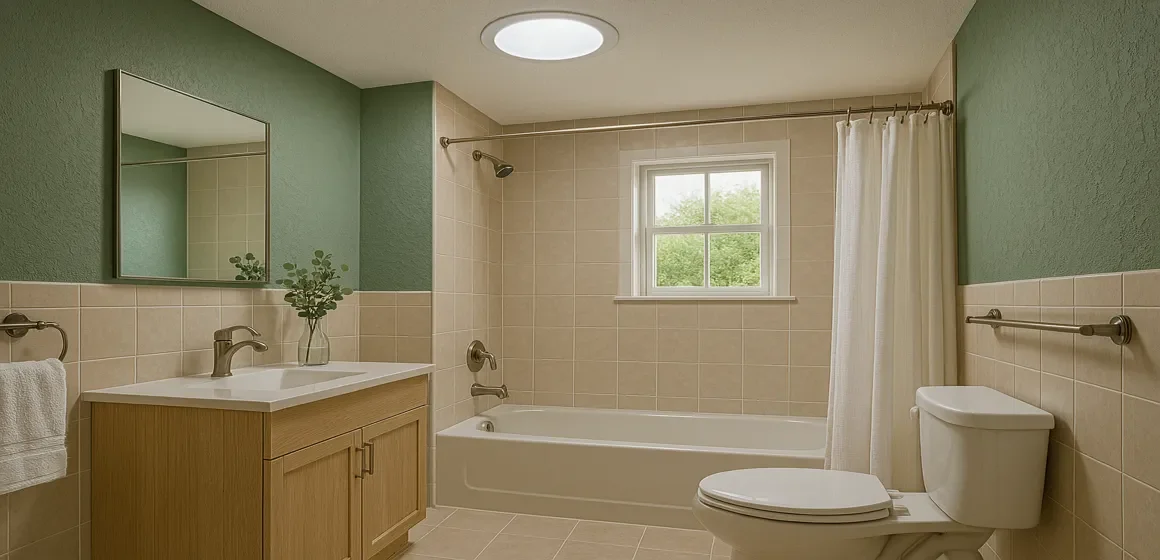
- Windowless bathrooms
- Walk-in wardrobes
- Storage cupboards and pantries
3. Energy-Free, Set-and-Forget Operation
Unlike extraction fans that require electricity and maintenance, sun tubes:
- Run silently
- Require no switches or wiring
- Continue working year-round—even on cloudy days
For families in older Papakura homes trying to reduce energy bills while improving comfort, this is a practical win-win.
Learn how sun tubes support healthier homes
Real-World Application: A Papakura Example
In a fictionalised but common scenario, a young couple in Red Hill retrofitted a sun tube into their hallway and ensuite. The result?
Less condensation, fewer damp patches on the ceiling, and a noticeable drop in that persistent “musty” smell during winter months.
For homes built in the 70s and 80s, especially those with limited ceiling insulation, this kind of daylight upgrade can have a tangible health impact.
Design Tip: Combine with Ventilation and Insulation
While sun tubes can help reduce mould risk, they work best when combined with:
- Adequate ceiling insulation
- Trickle vents or passive airflow systems
- Moisture-resistant paints and surfaces
They’re not a silver bullet—but they’re a smart first step that doesn’t require major renovations.
Want a healthier home—starting with better daylight?
We’ll connect you with local, experienced sun tube installers who understand South Auckland’s housing conditions and climate.
Request a quote or chat with a daylighting expert today