What to Ask Your Installer: Papakura-Specific Considerations for Sun Tube Placement
Choosing to install a sun tube is a smart move—but knowing where and how to place it makes all the difference.
If you live in Papakura or surrounding suburbs like Hingaia, Drury, or Karaka, your home’s roofline, orientation, and layout can all influence the success of a sun tube installation.
So before you commit, here are the Papakura-specific questions every homeowner should ask their installer—to get the most light, energy efficiency, and long-term value.
1. What’s My Roof Pitch—and How Will It Affect Light Capture?
The angle of your roof (known as the roof pitch) plays a key role in how much daylight your sun tube can collect throughout the day.
Common Papakura scenarios:
- Many homes in areas like Red Hill have low-pitched tile roofs
- New builds in Karaka and Hingaia often have modern skillion or mono-pitch roofs
- Older rural properties in Drury may have steeper iron roofs
Ask: “Will my roof pitch limit how much light the sun tube can bring in?”
A good installer will adjust the dome angle or shaft length to maximise daylight intake.
2. Where Are the Sunrise and Sunset Angles in My Home?
Papakura homes can vary widely in how they face the sun. Knowing where the strongest daylight hits your roof is key to optimising placement.
- North- and west-facing roofs generally get the best sunlight in NZ
- South-facing roof areas will bring in softer, indirect light (still valuable, but lower intensity)
Ask: “Which side of my roof gets the best light at the time I need it most?”
For example, if your hallway is gloomy in the morning, you might want to capture eastern light.
3. Will the Shaft Be Straight or Angled—And Why Does That Matter?
Sun tubes work best with a direct shaft from the roof to the ceiling, but that’s not always possible.
Common issues in Papakura homes:
- Ceiling trusses blocking a straight path
- HVAC ducting or insulation in the way
- Split-level designs or vaulted ceilings
Ask: “Will this be a straight or angled install? How much light loss should I expect?”
A quality installer will explain how any bends will reduce brightness—and how they’ll compensate (e.g. reflective materials or wider tube diameter).
4. Is My Ceiling Type Compatible?
In Papakura’s mix of older homes and new developments, ceiling types vary.
- Older homes often have plasterboard with limited ceiling cavity
- New builds may have higher studs or minimal attic space
Ask: “Is my ceiling depth enough for the type of diffuser I want?”
This affects the appearance and spread of light in the room below.
5. Will This Help Reduce Dampness or Mould in My Home?
Many Papakura homes (especially pre-2000 builds) struggle with poor ventilation, making mould a real issue in internal bathrooms and hallways.
Ask: “Do you offer vented sun tube options that can help reduce condensation?”
Some sun tubes come with integrated passive vents or even solar-powered fans—ideal for humid areas.
Read: How Sun Tubes Help Combat Mould and Dampness
6. Can You Match the Dome and Flashing to My Roof Type?
From concrete tile to corrugated iron, different roofs require different flashing systems to prevent leaks and ensure durability.
👉 Ask: “What flashing system will you use for my roof, and is it compatible with local weather conditions?”
This is especially important in coastal areas like Karaka Harbourside, where wind and salt exposure demand more resilient materials.
7. What’s the Best Room in My Home to Start With?
If this is your first sun tube, you might be unsure where it’ll make the biggest difference. Installers often suggest:
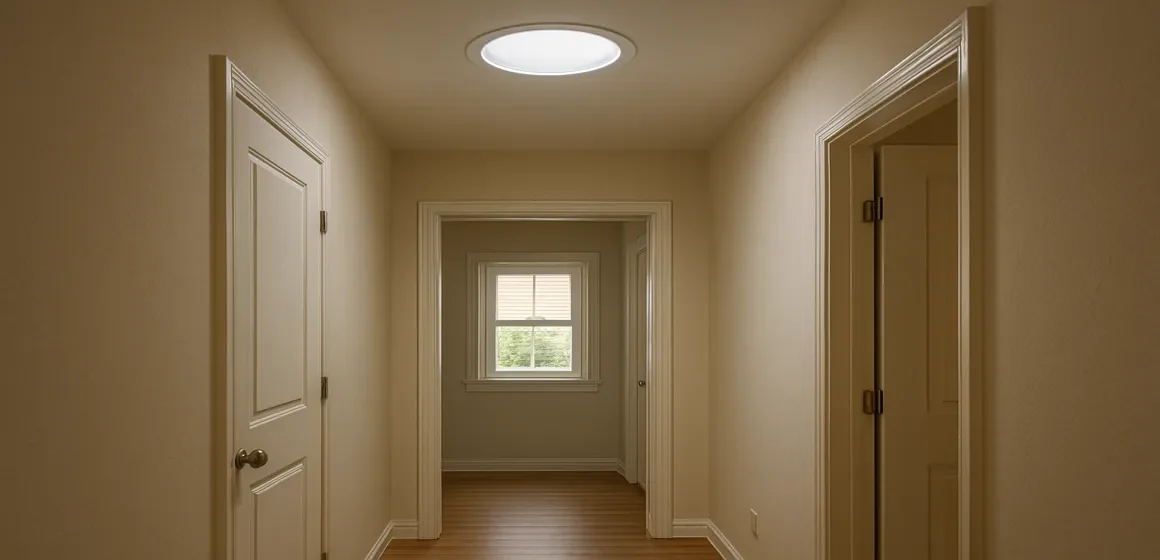
- Internal bathrooms
- Long hallways
- Stairwells
- Walk-in wardrobes
Ask: “Based on my home’s layout, where would I see the most benefit from a sun tube?”
A trustworthy installer will walk you through lighting zones—not just roof access.
Final Tip: You’re Not Just Buying a Product—You’re Designing an Upgrade
Sun Tubes are more than a ceiling feature—they’re part of a broader strategy to improve your home’s comfort, wellbeing, and energy performance.
By asking the right questions, you’ll not only get a brighter room—you’ll get a solution that respects your layout, lifestyle, and local environment.
Need a knowledgeable, local installer in Papakura?
We’ll connect you with professionals who understand Papakura homes, rooflines, and light patterns.