Morning Light, All Day Comfort: Skylight Orientation Tips for Hibiscus Coast Homes
Not All Sunlight Is Equal
The Hibiscus Coast enjoys some of Auckland’s most consistent daylight hours — but how that light enters your home depends entirely on orientation. A skylight that brings gentle morning brightness to your kitchen can feel perfect. The same skylight, poorly placed, might create harsh glare or afternoon heat in your lounge.
This guide helps homeowners across Whangaparāoa, Red Beach, and Silverdale understand how skylight orientation impacts comfort throughout the day — so you can bring in the right light, at the right time, in the right space.
Understanding the Sun Path on the Coast
- Morning sun rises in the east-northeast, offering soft, cool light.
- Midday sun arcs high across the north, delivering warmth and energy.
- Afternoon sun drops in the west, producing strong light and potential heat gain.
- Coastal reflections can intensify west-facing glare due to ocean brightness.
Lesson: East and north-facing skylights = optimal comfort and energy use.
Skylight Orientation by Room
Kitchen / Dining Area
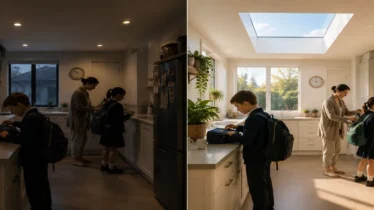
Recommended Orientation: East or Northeast
Why:
- Brings in bright but soft light during peak breakfast hours
- Helps create an energised start to the day
- Avoids harsh shadows over worktops in the evening
Pro Tip: A sun tube over a kitchen island on the east side can replace artificial lights until mid-morning.
Living Room / Lounge
Recommended Orientation: North
Why:
- Offers consistent natural daylight throughout the day
- Warms the space during winter without late-afternoon glare
- Works well for open-plan layouts
Design Tip: Position north-facing skylights away from televisions or screens to reduce reflection.
Bedroom
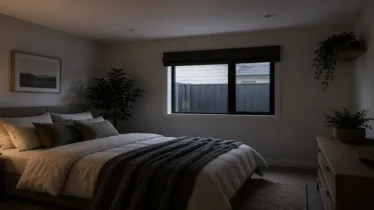
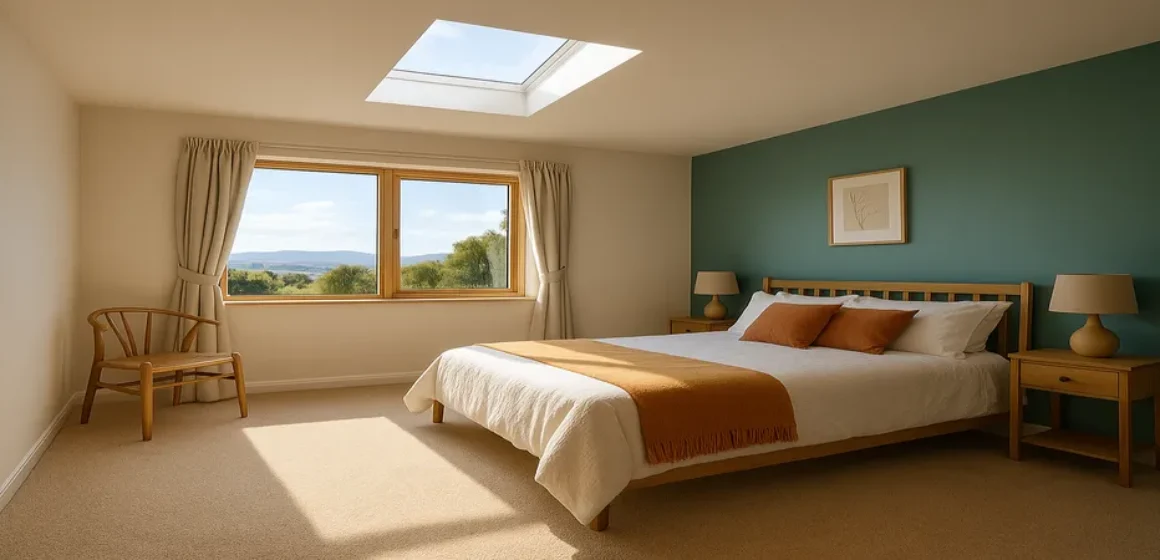
Recommended Orientation: East (or avoid west)
Why:
- Gentle wake-up light in the morning
- Minimal overheating during the day
- Avoids late sun interfering with sleep comfort in the evening
Consider using skylights with blinds or diffused glass for early risers.
Bathroom / Ensuite
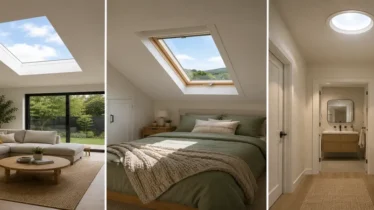
Recommended Orientation: Overhead or Northeast
Why:
- Balanced daylight for morning routines
- Allows privacy while keeping the space dry and fresh
- Helps reduce mould in coastal humidity zones
Laundry / Utility Room
Recommended Orientation: Any available overhead space
Why:
- Sun tubes can help where no wall access exists
- Avoids running lights during the day in deep-plan homes
Design Considerations for Whangaparāoa Homes
|
Factor |
Design Tip |
|
Wind exposure |
Use fixed, sealed skylights in west-facing or elevated homes |
|
Glare from ocean |
Avoid direct west-facing skylights near the sea — light reflection can be intense |
|
Ceiling slope |
North-facing rooms with vaulted ceilings benefit from angled skylights to match pitch |
|
Multi-level homes |
Consider stacking sun tubes or skylight shafts across floors to share natural light |
Illustrative Example Only: Split-Level Home in Gulf Harbour
A family in Gulf Harbour wanted natural light without overheating their open-plan living room. Their installer placed two north-facing, diffused-glass skylights in the vaulted ceiling and a small east-facing sun tube in the rear hallway.
The result? Warm, balanced daylight all day long — with no need for artificial light until after sunset.
Key Takeaways
- East-facing skylights bring in soft morning light — ideal for bedrooms and kitchens
- North-facing skylights provide year-round brightness and warmth
- Avoid west-facing skylights to reduce glare and heat build-up near the coast
- Use diffused or tinted glass in light-heavy zones
- Align skylight orientation with room function — and sun movement
Planning a Renovation or New Build on the Coast?
Speak with a trusted installer who understands Whangaparāoa’s sun angles and elevation patterns — and can help place skylights with purpose.