Rain noise and sleep: what Auckland homeowners should know before adding a skylight near bedrooms
Auckland rain is not always a gentle, all-day drizzle. It can arrive in bursts. A sudden downpour at 2am. A windy squall that hits one side of the roof harder than the other. If you are considering a skylight near a bedroom, it is normal to wonder whether you are signing up for a louder night.
The honest answer is this:
A skylight can change how rain sounds, but it does not automatically mean poor sleep. Most outcomes come down to roof type, glazing build-up, installation detailing, and where the skylight sits in relation to the bed and ceiling cavity.
This article is a practical planning guide, written for Auckland homes and Auckland weather, so you can make a calm decision rather than a hopeful one.
The sleep question most people really mean
When homeowners ask about “rain noise”, they are usually asking one of these:
- Will it be loud enough to wake me up?
- Will it be a sharp tapping sound, or a softer noise?
- Will wind-driven rain sound different?
- Will a skylight amplify noise compared with the rest of the roof?
Instead of guessing, you can assess your home using a simple comfort framework.
The 5 factor “rain noise” framework
1) Roof material and profile
Roof type affects rain sound more than most people expect.
Common Auckland patterns:
- Long-run metal roofing can produce a clearer rain sound than tile, particularly in heavier bursts.
- Tile roofs tend to diffuse sound differently, often with a softer overall character.
The skylight sits inside that wider roof system. If your roof is already noticeably noisy in rain, it is worth planning the bedroom skylight with that baseline in mind.
2) Glazing build-up and specification
Not all skylights are acoustically equal.
In plain language:
- Thicker or layered glazing systems usually reduce the sharpness of impact sounds compared with thinner glazing.
- Double glazing often helps with overall comfort stability, including noise and temperature, depending on the full system.
You do not need to chase technical numbers. You simply want a skylight specification that matches your priority, which in this case is sleep.
3) Ceiling cavity depth and shaft design
The shaft is the “tunnel” that brings light from roof to ceiling.
A deeper shaft can soften both light and sound characteristics, depending on how it is built and lined. Think of it as changing how energy travels into the room. It does not guarantee silence, but it can influence whether the sound feels sharp and direct or more muted.
4) Placement relative to the bed and head position
A skylight directly above where your head rests can feel more noticeable than a skylight positioned over a circulation area or wardrobe zone.
If sleep is the priority, placement should be chosen with that in mind, not just symmetry on the ceiling.
5) Installation detailing and sealing quality
This is not about noise alone, but it matters.
A well-installed skylight should be weathertight and properly sealed for your roof type. Poor detailing can create secondary noises, such as vibration or rattling from loose components. Those are not “rain noises” so much as installation issues.
The Auckland bedroom test you can do before you install anything
Choose a rainy day or a windy day, even a light one, and do this in the bedroom you are planning to upgrade.
- Sit quietly for one minute with the window closed.
- Notice what you already hear: roof noise, gutter sound, trees, wind.
- Ask: what wakes me up now, if anything?
- Identify whether your bedroom is already sensitive to external sound.
If your bedroom is already a light sleeper space, plan the skylight accordingly. That might mean prioritising glazing build-up and placement away from the bed zone.
Myth-busting, Auckland edition
Myth 1: Skylights always make rain noise worse
Not always. Many homeowners notice no meaningful change to sleep. Where people do notice it, it is usually because one of the framework factors above was overlooked.
Myth 2: Only metal roofs are noisy
Tile roofs can still transmit sound. The character is often different, but heavy rain can still be audible. The important point is to plan for your specific roof, not a general category.
Myth 3: If it is quiet most nights, it will be quiet in storms
Wind-driven rain changes impact angles. Auckland can deliver rain that hits the roof harder on one side. Placement can reduce exposure to the worst angles, depending on roof geometry.
Practical planning choices that usually improve bedroom outcomes
Choose comfort-first positioning
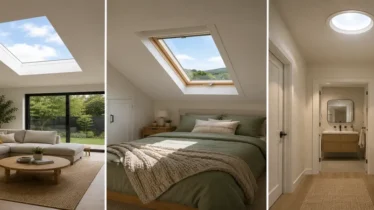
If possible, plan the skylight so it supports the bedroom without sitting directly over the head position. Many bedrooms benefit from overhead light that lands closer to wardrobe zones or the foot of the bed area.
Ask for a specification that suits sleep
If your priority is sleeping comfort, say that early. The right product and glazing choice is easier to recommend when the goal is clear.
Consider whether you actually need a skylight in the bedroom
Some homes do. Some do not.
If the bedroom already has good daylight and you are mainly chasing ventilation, there may be better ways to achieve that without placing overhead glazing in a sleep zone. A good assessment will tell you whether a bedroom skylight is the best move or whether other rooms will deliver more value.
Illustrative Example Only: the homeowner who feared “tapping all night”
A homeowner in Greater Auckland wanted a skylight near a bedroom hallway zone, but worried it would turn rain into a sharp tapping sound above the sleeping area.
Their decision became easier once they separated assumptions from controllable choices:
- they reviewed how noisy the existing roof already was in rain
- they planned placement away from the bed head zone
- they treated glazing specification and detailing as sleep factors, not afterthoughts
Their reflection afterwards was simple:
“It sounds like rain, not like a drum.”
If you are planning a bedroom skylight in Auckland, ask these questions
Take these into any site visit or quote conversation:
- How noisy is my current roof in rain, and how will the skylight compare?
- What glazing build-up is recommended if sleep comfort is a priority?
- Can placement be adjusted to avoid sitting directly above the head position?
- How will the shaft be formed and lined, and what does that mean for sound character?
- What detailing prevents vibration and secondary noises in wind?
If you want advice based on your specific roof type, room layout, and comfort priorities, start an enquiry here:
https://inquiry.skylights.co.nz/inquiry
For wider Auckland guidance:
https://www.skylights.co.nz/skylights-auckland/
For an overview of skylight options:
https://www.skylights.co.nz/types-of-skylights/
FAQs (unique to this topic)
Are skylights loud during heavy rain in Auckland?
They can be audible, but “loud” depends on roof type, skylight glazing build-up, shaft depth, and placement. Many installations do not affect sleep when planned properly.
Is rain noise worse on metal roofs with skylights?
Metal roofs can produce a clearer rain sound in general. A skylight does not automatically worsen it, but comfort outcomes improve when glazing and placement are chosen with sleep in mind.
Does double glazing reduce rain noise through a skylight?
Often, yes. Double glazing and other upgraded glazing options can help reduce the sharpness of rain impact noise, depending on the full product system.
Where should a skylight go in a bedroom if I am worried about sleep?
If possible, avoid placing it directly above the bed head position. Many bedrooms still get the benefit when skylights are positioned over circulation or wardrobe zones.
What noises should I be concerned about besides rain?
Rattles or vibration are not normal “rain noises”. They usually point to installation or component issues. Proper detailing and secure fixings help prevent this.