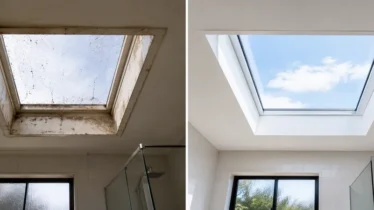
Regulating Sleep Cycles with Skylights: Harness the Power of Natural Light
A good night’s sleep is essential for your overall health and well-being. Yet, in today’s world of artificial light and erratic schedules, many people find their sleep disrupted. Skylights provide a simple, natural solution by aligning your indoor light exposure with the rhythms of the sun, helping your body restore its natural circadian rhythm.
This article explores the science behind circadian rhythms, how skylights improve sleep, and practical skylight designs for better rest.
1. Understanding Circadian Rhythms
Circadian rhythms are your body’s internal clock, regulating your sleep-wake cycle over a 24-hour period. They’re influenced primarily by light exposure.
- Morning Light: Signals your body to stop producing melatonin (the sleep hormone) and start producing cortisol, preparing you for the day.
- Evening Light: Dimming light cues your body to release melatonin, promoting relaxation and sleep.
Why Modern Lifestyles Disrupt Circadian Rhythms
- Excessive exposure to artificial light (especially blue light from screens) in the evening confuses your body’s natural signals.
- Insufficient daylight exposure during the day can make your body feel sluggish and groggy.
2. How Skylights Regulate Sleep Cycles
Skylights bring natural light indoors, helping your body follow the sun’s natural patterns. Here’s how they support healthy sleep:
a) Morning Light for Natural Wakefulness
- Skylights in your bedroom allow natural sunlight to enter, gently waking you and boosting morning energy.
- This gradual light exposure reduces reliance on alarm clocks, making mornings feel less abrupt.
b) Daylight for Alertness
- Consistent exposure to daylight through skylights helps your body maintain high energy levels throughout the day.
- Bright, natural light reduces mid-afternoon slumps, improving focus and productivity.
c) Evening Dimness for Relaxation
- Skylights positioned to capture the setting sun create a natural cue for your body to prepare for sleep.
- Tip: Pair skylights with motorised blackout blinds to control light levels in the evening.
3. Skylight Placement for Sleep Benefits
Strategic placement of skylights ensures maximum impact on your sleep cycle. Here’s where they work best:
a) Bedrooms
- Install skylights above your bed or in key areas to maximise morning light exposure.
- Combine with automated blinds to control light levels for an optimal sleeping environment.
b) Home Offices
- A skylight in your workspace provides natural daylight during the day, keeping your body clock aligned and improving sleep quality at night.
c) Living Rooms
- Skylights in communal areas ensure consistent exposure to natural light throughout the day, helping regulate your body clock.
4. Design Features to Enhance Sleep Benefits
a) Adjustable Blinds
- Motorised blackout blinds allow you to adjust light levels based on the time of day, creating the perfect environment for both daytime and nighttime needs.
b) Frosted or Diffused Glass
- Skylights with frosted or diffused glass provide soft, ambient light, preventing harsh glare while maintaining a soothing atmosphere.
c) Smart Skylights
- Automated skylights with sunrise and sunset simulation features create a seamless connection to the sun’s natural rhythm, even during overcast days.
5. Real-Life Inspiration: Skylights for Better Sleep
Case Study:
The Bakers in Khandallah installed a skylight with automated blinds in their bedroom. “Waking up to natural light has changed our mornings,” says Mrs Baker. “It’s easier to wake up, and we feel more rested overall.”
6. The Science Behind Skylights and Sleep
Skylights work by supporting your body’s natural melatonin and cortisol production cycles:
- Melatonin: Nighttime exposure to darkness through blackout blinds enhances melatonin production, promoting restful sleep.
- Cortisol: Morning exposure to natural light increases cortisol levels, giving you energy and focus for the day.
Fact:
Research from the National Sleep Foundation shows that exposure to natural light during the day improves sleep quality by up to 40%.
7. Complementary Tips for Better Sleep
While skylights are a key tool, combine them with these strategies for optimal results:
- Consistent Sleep Schedule: Go to bed and wake up at the same time daily.
- Limit Screen Time: Reduce blue light exposure from devices in the evening.
- Relaxation Routine: Use skylight-lit spaces for evening yoga or meditation to wind down naturally.
8. Call-to-Action
Transform your sleep quality with skylights designed to align your body with natural light cycles. Explore our range of skylights and connect with trusted Wellington installers to enhance your home and your rest today.