Boosting Vitamin D Indoors with Skylights: A Natural Wellness Solution
Vitamin D is often called the “sunshine vitamin” for good reason—it plays a crucial role in bone health, immune function, and overall well-being. However, with busy schedules and limited sunlight during certain seasons, getting enough exposure can be a challenge. Skylights provide an innovative solution, bringing sunlight indoors and offering a natural, passive way to boost your Vitamin D levels right from the comfort of your home.
This article explores how skylights contribute to Vitamin D synthesis, the science behind it, and how to design your home to maximise these benefits.
1. The Importance of Vitamin D
Vitamin D is essential for numerous bodily functions, including:
- Bone Health: Aiding calcium absorption to maintain strong bones and prevent osteoporosis.
- Immune System Support: Enhancing your body’s ability to fight infections and inflammation.
- Mood Regulation: Contributing to serotonin production, which affects mood and mental health.
2. Why Are So Many People Deficient?
Vitamin D deficiency is a widespread issue, particularly in regions with limited sunlight during colder months. Common factors include:
- Indoor Lifestyles: Spending most of the day indoors reduces direct sun exposure.
- Seasonal Changes: Shorter daylight hours in autumn and winter limit opportunities for sunlight exposure.
- Skin Protection: While sunscreen is vital for UV protection, it can also block Vitamin D synthesis.
3. How Skylights Help Boost Vitamin D Levels
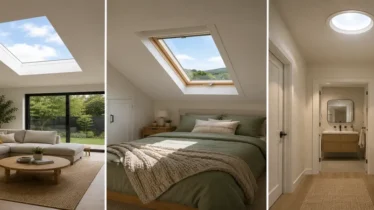
Skylights bring sunlight indoors, providing a consistent, safe way to access natural light and support Vitamin D synthesis, even when outdoor exposure is limited.
a) Increased Exposure to Natural Light
- Skylights capture vertical light directly from the sky, providing more sunlight than side-facing windows.
- This ensures steady exposure, especially in areas of the home you use frequently.
b) Safe Sunlight Intake Indoors
- Skylights with UV-filtering glass allow the right amount of sunlight to pass through, promoting Vitamin D production while protecting skin from harmful rays.
c) Year-Round Accessibility
- Skylights function as an indoor light source during winter months when outdoor sunlight is scarce.
- Fact: Studies show that even indirect sunlight can contribute to Vitamin D synthesis.
4. Skylight Placement for Optimal Vitamin D Benefits
Strategic placement is key to maximising sunlight exposure indoors. Here are some tips:
a) Kitchens
- Install skylights above kitchen islands or dining areas to enjoy natural light while cooking or eating.
- Morning sunlight in the kitchen provides a great start to your day with a Vitamin D boost.
b) Living Rooms
- Position skylights in lounging areas where your family spends the most time during daylight hours.
- Design Tip: Clustered skylights can distribute sunlight evenly across larger spaces.
c) Bathrooms
- Add skylights to bathrooms to enjoy natural light during your morning routine, combining wellness with practicality.
- Frosted glass ensures privacy while still allowing light in.
d) Home Offices
- Skylights in work-from-home spaces improve light exposure, reducing fatigue and promoting a healthier, more productive environment.
5. Skylight Design Features to Enhance Benefits
a) UV-Filtered Glass
- Choose skylights with UV-filtering technology to protect your skin while still allowing sufficient sunlight for Vitamin D production.
b) Adjustable Blinds
- Add motorised blinds to control light intensity during peak sunlight hours, especially in summer.
c) Solar Tubes for Smaller Spaces
- Solar tubes are an excellent option for compact areas like hallways or closets, bringing concentrated light into otherwise dim spaces.
6. Real-Life Inspiration: Skylights for Wellness
Case Study:
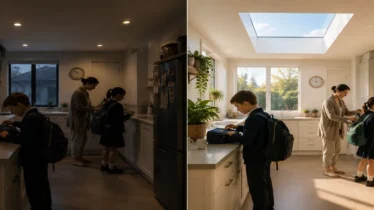
The Wongs in Kelburn installed skylights in their living room and kitchen, significantly increasing their exposure to natural light. “We love how bright and warm our home feels now,” says Mrs Wong. “It’s made winter so much more bearable, and we feel healthier too.”
7. Complementary Strategies for Vitamin D Health
While skylights are an effective way to boost Vitamin D, combine them with these strategies for maximum benefits:
- Morning Sun Routine: Spend time near your skylights during peak morning sunlight hours.
- Healthy Diet: Include Vitamin D-rich foods like salmon, eggs, and fortified products.
- Physical Activity: Engage in light exercise near skylight-lit areas to enhance overall wellness.
8. Call-to-Action
Transform your home into a haven of wellness with skylights designed to bring the sunshine indoors. Boost your Vitamin D levels and enjoy the health benefits of natural light all year round. Explore our range of skylight solutions and connect with trusted installers in Wellington to get started today.