Renovation Roadblocks — How Skylights Overcome Common Design Challenges
Even the best renovation plans run into roadblocks: a kitchen stranded in the middle of the floorplan, a stairwell with no windows, a boundary wall you can’t punch through, or heritage features you must preserve. Rather than redesigning everything (or compromising on light), skylights provide a precise, building-friendly way to bring daylight and fresh air into places standard windows can’t reach.
The Most Common Renovation Roadblocks (NZ Homes)
1) Internal Rooms With No External Walls
Open‑plan add‑ons often push kitchens and lounges to the centre of the home, far from windows. Result: permanent gloom and daytime reliance on downlights.
2) Boundary and Overlooking Constraints
Urban sites, height‑to‑boundary rules, and privacy concerns can limit new side windows — even when a room clearly needs light.
3) Heritage & Character Retention
Villas and bungalows carry strict expectations: keep façades intact, preserve rooflines, avoid intrusive window changes.
4) Complex Rooflines & Structural Limits
Trusses, multiple pitches, and low roof cavities can make conventional roof windows impractical.
5) Damp, High‑Use Spaces
Bathrooms, laundries and ensuites often sit internally with steam and odours trapped inside, especially after winter.
Skylight Strategies That Solve Them
A) Tubular Skylights — The Surgical Daylight Fix
- Best for: Internal bathrooms, hallways, laundries, pantries.
- Why it works: Slim, reflective tubes deliver high‑quality daylight through tight cavities and around trusses. Minimal roof impact; ideal where windows are impossible.
- Add‑ons: Optional diffusers and integrated ventilation modules for moisture control.
B) Flat Glass Skylights — Broad, Balanced Illumination
- Best for: Central kitchens, dining areas, mid‑floor lounges.
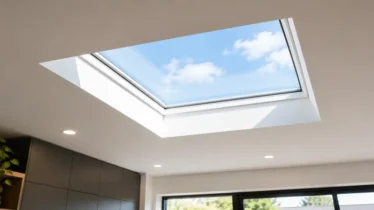
- Why it works: Even, overhead light with modern Low‑E or laminated glazing to manage heat and glare.
- Add‑ons: Blinds, insect screens, and smart controls (timers, rain sensors) for year‑round comfort.
C) Vented Skylights — Light + Fresh Air in One
- Best for: Bathrooms, kitchens, upper‑storey rooms that trap heat.
- Why it works: Warm, stale air naturally rises and exhausts through the opening; pair with lower windows to create a passive stack effect.
D) Light Shafts & Wells — Carry Light Deep Into the Plan
- Best for: Multi‑storey homes and rooms below roof level.
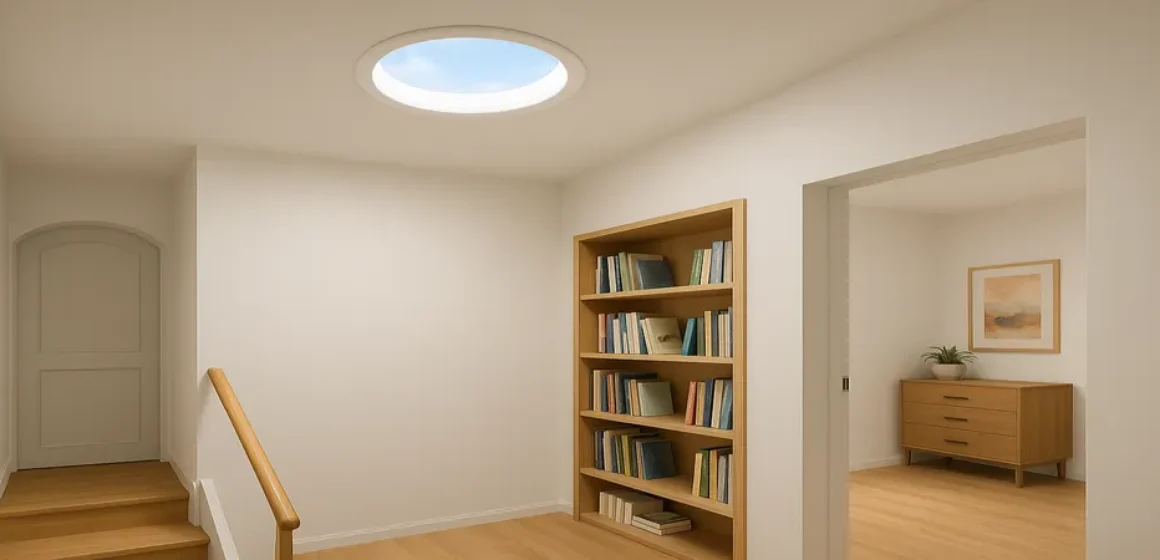
- Why it works: A lined shaft or well reflects light down to where you need it, without changing external façades.
E) Discreet Heritage‑Friendly Options
- Best for: Character roofs and street‑facing elevations.
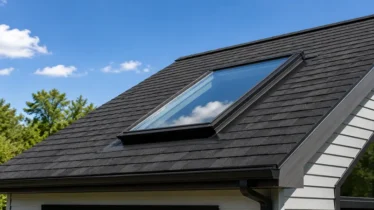
- Why it works: Position skylights on less visible roof planes; select profiles and flashings that sit low and complement original detailing.
Design Workflow: Getting the Details Right
- Map the Light: Identify dark zones at different times of day; note ceiling heights, roof pitch, and any services in the cavity.
- Choose the Function: Is this a task area (kitchen prep), traffic zone (hall), or moisture source (bathroom)? The answer steers the skylight type.
- Model the Spread: Use shaft angles, diffuser types, and approximate sizes to avoid over‑ or under‑lighting.
- Plan Controls: Blinds for naps and summer afternoons; venting for steam and heat; automation where access is tricky.
- Coordinate Trades: Installer, roofer, and plasterer sequence matters — especially for shafts/wells and ceiling finishes.
Compliance & Practical Notes (Plain English)
- Weatherproofing first: Correct flashing to suit your roof profile is essential for long‑term performance.
- Safety glazing: Use laminated or toughened glass in overhead locations for added safety.
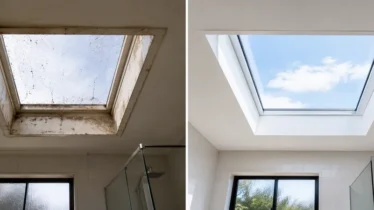
- Moisture management: In wet areas, favour vented units or combine daylight with extraction to minimise condensation.
- Local relevance: Consider prevailing wind, coastal conditions (salt), and sun path for your region to select glazing and placement that stay comfortable year‑round.
Cost‑Smart Thinking (Without Guesswork)
- Target high‑impact rooms first: kitchens, family lounges, internal bathrooms.
- Where structure is tight, tubular options often deliver the best light‑to‑cost ratio.
- Factor finishing (painting shafts, patching ceilings) into scheduling so the space returns to use quickly and cleanly.
Illustrative Examples Only
- Urban boundary constraint (Auckland): An internal kitchen couldn’t add side windows due to overlooking rules. Two flat skylights over the island introduced balanced task light, cutting daytime artificial lighting.
- Villa with heritage façade (Dunedin): A tubular skylight brightened a central hallway without altering the street‑facing elevation; character detailing remained untouched.
- Tricky truss roof (Wellington): A tubular run routed around trusses to daylight an ensuite; an integrated vent cleared steam after showers.
Quick Checklist for Renovators
- Identify rooms with no external wall or persistent gloom.
- Match skylight type to use: tubular (compact), flat glass (broad), vented (moisture/heat).
- Decide on controls: blinds, diffusers, automation.
- Confirm flashing solution for your roof profile.
- Plan finishing: shafts lined, paint touch‑ups, final clean.
Conclusion: Keep the Layout — Fix the Light
Skylights unlock design freedom when windows aren’t an option, turning renovation dead‑ends into bright, comfortable spaces. With the right type, placement, and detailing, you can preserve your layout, protect character, and still achieve the daylight your plans promised.
Ready to solve a daylight roadblock? Request a skylight consultation today.