Sleep, soft light and slow mornings: planning bedroom skylights in NZ homes
There is a particular kind of morning that many people in New Zealand imagine when they think about bedroom skylights: waking slowly as the room brightens, seeing a patch of sky, feeling connected to the weather before you even get up.
The reality in some homes is different. Maybe you:
- share a wall with a neighbour and have a small, shaded window
- sleep in an internal bedroom created during a past renovation
- live in a cooler region where you keep curtains closed to hold the heat.
A skylight can feel like the perfect answer – until the next question lands:
“Will it wake us too early?”
“Will the room be too hot in summer?”
“How do we keep privacy but still enjoy the sky?”
This article looks at bedroom skylights in NZ homes, with a focus on sleep, comfort and everyday routines rather than just aesthetics.
Illustrative Example Only: “We added a skylight above the foot of our bed in Nelson. With blinds, we can keep the room dark when we need to, but most mornings we let the light in. It feels like the day arrives gradually instead of the alarm jolting us awake in a dark room.”
1. How bedroom skylights change the feel of a room
Bedrooms are not just for sleep. They are often used for:
- getting dressed and ready for the day
- reading or scrolling before bed
- quiet time away from the rest of the house.
Skylights can shift how these moments feel by:
- giving a clearer sense of time of day and weather
- reducing the need for artificial lighting when getting ready
- making smaller or internal rooms feel less boxed in.
In regions with long winter nights – parts of Southland, Otago or inland Canterbury – even a modest skylight can help mornings feel less like waking in a cave.
The key is to think through how you sleep and how you like to wake up before deciding where and how a skylight should be used.
2. Light and sleep: what to think about before cutting a hole in the roof
Our bodies respond strongly to light. It is one of the main signals that helps set our body clock.
Early light vs full blackout
Some people love waking with the first light. Others work shifts, have young children, or simply prefer a darker room.
Before installing a bedroom skylight, ask:
- Do we need the ability to fully darken the room at times?
- Are we comfortable with the room naturally brightening earlier in summer?
- Does anyone sleep during the day in this room?
If there is any doubt, planning for good blinds from the start is essential.
Light direction and where it lands
- A skylight directly above the pillow will feel very different to one closer to the foot of the bed.
- Light falling onto walls and ceiling can feel softer than light directly onto your face.
- In kids’ rooms, thinking about nap times and bedtime routines becomes part of the picture.
A simple way to explore this is to lie on the bed, imagine where the skylight would sit, and picture how the room should feel in the first 30 minutes after you wake.
3. Placement options that respect both sleep and daylight
There is no single “right” place for a bedroom skylight, but a few patterns tend to work well in New Zealand homes.
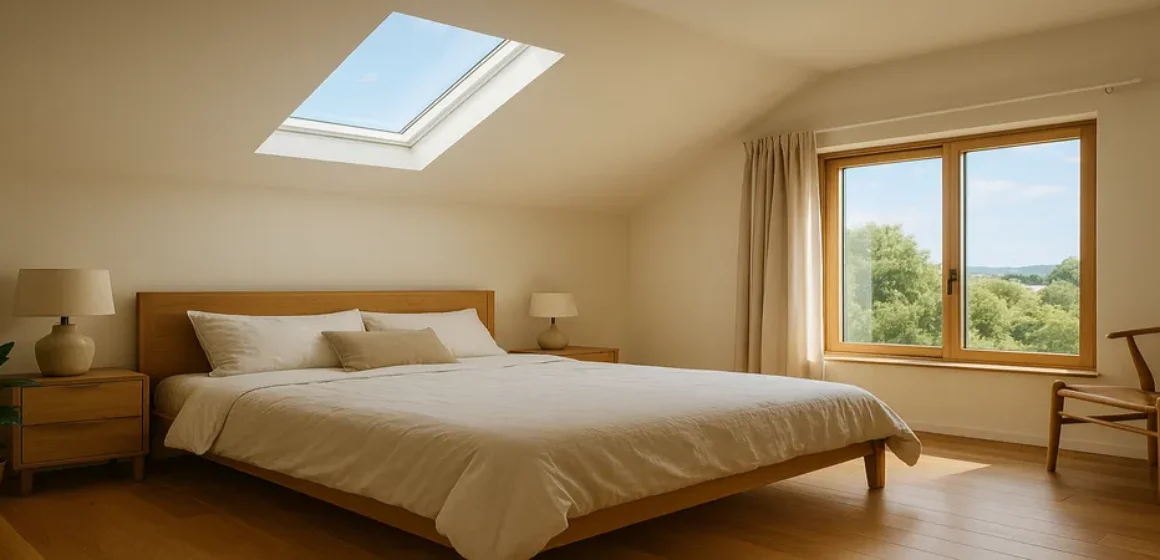
Above the foot or side of the bed
Placing a skylight:
- above the foot of the bed
- or slightly off to the side of the main sleeping area
often gives you:
- soft, indirect morning light
- a feeling of connection to the sky
- less risk of bright light directly on your face at first light.
In dressing or sitting zones
In larger bedrooms, or main suites, skylights can sit above:
- a dressing area or built-in wardrobe zone
- a window seat, chair or small desk.
This keeps the sleeping part of the room more controlled, while making practical zones brighter and more usable.
In internal or window-poor bedrooms
For rooms with limited or no side windows – common in some townhouses and inner-city homes – skylights may provide the primary source of natural light.
Here, blinds and diffusers become especially important, allowing you to adjust between:
- bright, open daytime use
- controlled, darker settings for sleep.
4. Privacy, neighbours and sightlines
One of the advantages of bedroom skylights is that they can deliver light without relying on side windows facing neighbours or shared paths.
However, it is still worth considering:
- whether any nearby two-storey homes, decks or apartments have potential sightlines towards your roof
- how the shaft is angled, and whether it directs views up and out, rather than across
- the use of diffused or frosted glazing where privacy is a concern.
In many cases, a bedroom with a carefully placed skylight and smaller side window can feel more private and more naturally lit than one that depends on a larger window with blinds drawn most of the time.
5. Heat, comfort and ventilation in NZ bedrooms
Comfort is central to sleep quality. Bedrooms need to feel pleasant across both warm and cold seasons.
Thermal performance
In cooler regions, or in older homes, keep an eye on:
- glazing performance – double glazing and Low-E glass can help reduce heat loss
- insulation around the skylight shaft
- draught control at the ceiling junction.
You want the area beneath the skylight to feel as similar as possible to the rest of the room, not like a cold or hot patch.
Dealing with summer warmth
In warmer parts of NZ – Auckland, Northland, Bay of Plenty – bedrooms can become warm by late afternoon and stay that way.
Here, energy-conscious choices include:
- glazing that limits unwanted solar heat gain
- blinds that can cut light at the hottest times of day
- vented skylights or roof windows that can release warm air in the evening.
Fresh air and overnight ventilation
Some people like to sleep with fresh air moving through the room. Vented skylights can support this when:
- used carefully with security in mind
- combined with trickle vents or other openings
- detailed properly to handle wind and rain in more exposed climates.
6. Different bedroom types, different skylight roles
Not all bedrooms are used the same way. A few examples:
Main bedrooms and suites
- Often double as a retreat space
- May include a small sitting area or desk
- Benefit from a mix of controlled sleep light and generous daytime light.
Children’s rooms
- Nap times and early bedtimes make light control critical
- Skylights can make play and homework areas brighter
- Well-fitted blinds are non-negotiable if the room faces early morning sun.
Guest rooms
- Often used less frequently
- Can feel tucked away, especially in internal layouts
- A skylight can make them more welcoming without needing large external windows.
In each case, the question is not just “do we want more light?”, but “at what times of day and for which activities?”
7. Planning your bedroom skylight – a practical sequence
If you are considering a bedroom skylight in your NZ home, working through this sequence can help you arrive at a clear, practical brief.
Step 1 – Map your sleep and wake patterns
Note when you usually sleep and wake in that room, including weekends and seasons.
Step 2 – Decide how much control you need
Is full blackout sometimes essential, or would you be happy to wake with first light in summer?
Step 3 – Identify where light would be most helpful
Is it over the foot of the bed, in a dressing area, or in a sitting corner?
Step 4 – Walk through the room at different times of day
Notice where you feel the room is too dark, and where existing windows already work well.
Step 5 – Take photos and rough measurements
Photos of the bedroom from the bed, doorway and window, plus basic dimensions and a roof photo if possible, give an installer a strong starting point.
8. Next steps – a bedroom that supports how you rest and wake
A good bedroom skylight does not just make the room look nicer in a photo. It should quietly support how you rest, wake and move through your days.
If you are starting to picture changes:
- spend a couple of days noticing when the room feels too dark or too sealed-off
- think about whether you are aiming for gentle morning light, better daytime brightness, or both
- gather a small set of photos and notes about how the room is used.
Skylights.co.nz can help you connect with installers across New Zealand who understand the balance between daylight, privacy and sleep quality in real bedrooms – from compact inner-city rooms to larger family spaces.
Make an enquiry via Skylights.co.nz
If you share a few images, your region and a sentence or two about how you like your bedroom to feel, an installer can usually outline a couple of bedroom-appropriate skylight options to consider.
FAQs – bedroom skylights in NZ homes
Q1. Will a bedroom skylight wake me up too early in summer?
It can, if you do not have adequate light control. Most bedroom skylight designs include blinds or shades so you can decide how much morning light you want, and when.
Q2. Are skylights suitable for children’s bedrooms?
Yes, provided they are planned with good blinds and appropriate placement. Many families use skylights to brighten play or study areas in kids’ rooms while keeping sleep zones more controlled.
Q3. Will a skylight make my bedroom colder in winter?
Modern double-glazed skylights with insulated shafts are designed to limit heat loss. In many cases, choosing appropriate glazing and ensuring the rest of the room is well insulated makes a bigger difference to comfort.
Q4. Can neighbours see into a bedroom skylight?
In most typical NZ neighbourhoods, sightlines to bedroom skylights are limited. Roof position, shaft design and diffused glazing can all be used to protect privacy while still bringing in useful light.
Q5. Do bedroom skylights always need blinds?
For most people, yes. Even if you enjoy waking with light, blinds give you flexibility for times when you or guests need to sleep in, manage shift work or rest during the day.
Q6. Who should I speak to about bedroom skylight options for my home?
A skylight installer with experience in bedrooms and living spaces is a good starting point. They can discuss product, placement and light-control options, and work alongside your designer or builder if you are renovating.